


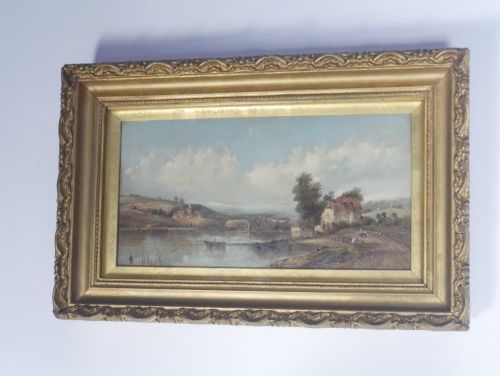
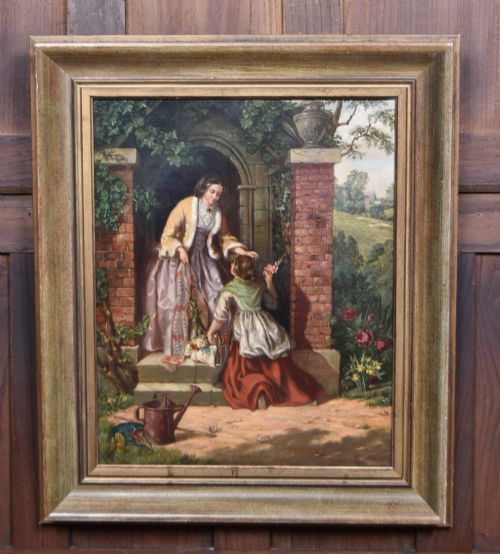
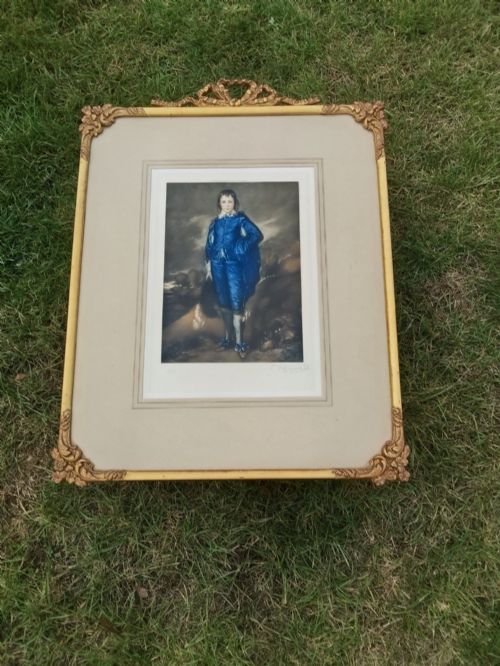
Classic Wall Artwork
Classic wall artwork brings centuries of painted portraits, landscapes, and still lifes into domestic spaces to lend historical depth to a room.
Classic Wall Artwork
Buyers seeking classic wall artwork encounter a diverse selection of oil paintings, portraits, and framed prints spanning multiple centuries. The material ranges from traditional canvas and wood panels to paper and board supports.
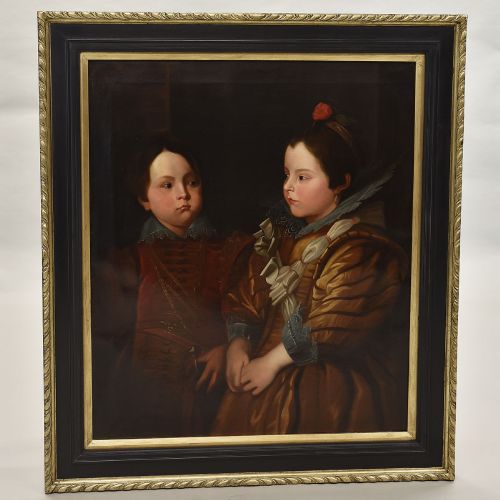
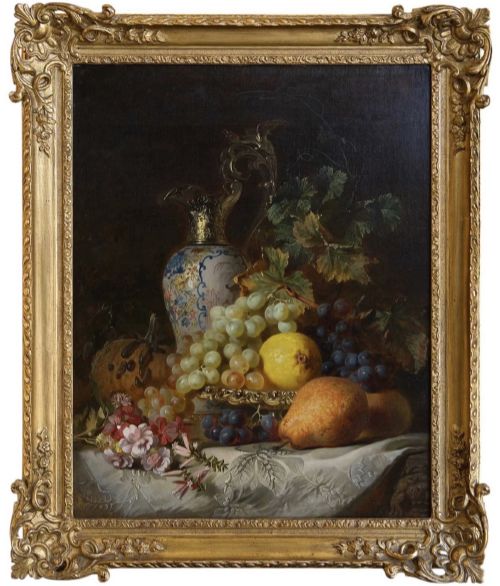
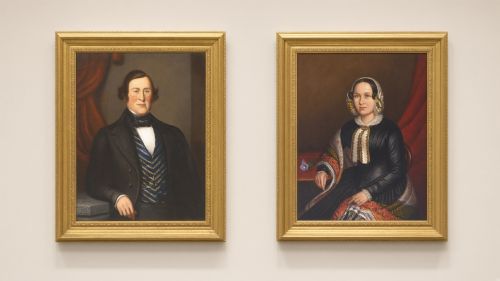
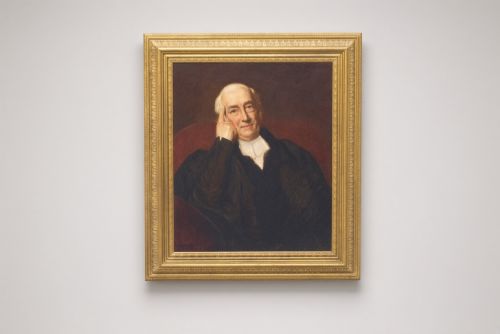
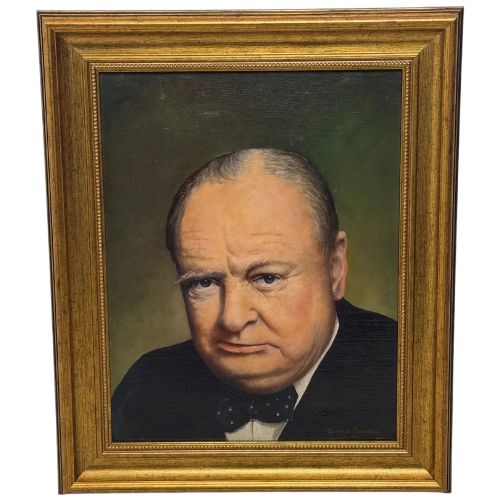
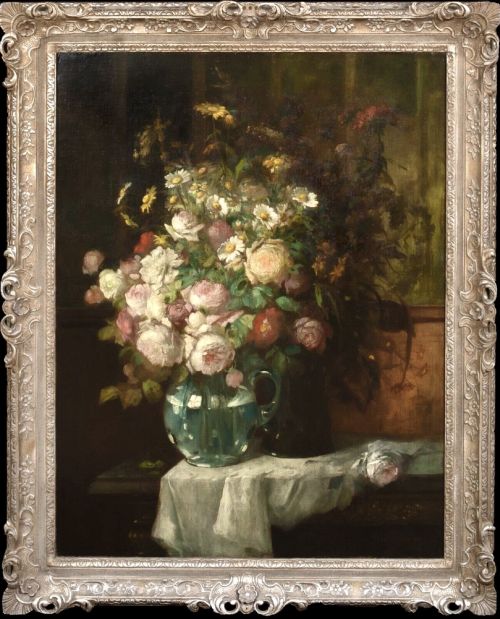
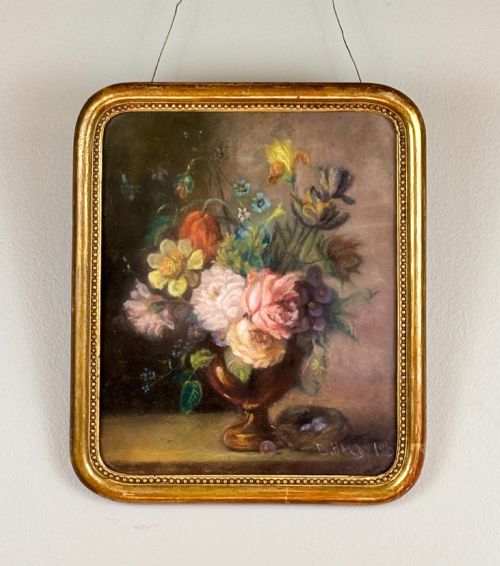
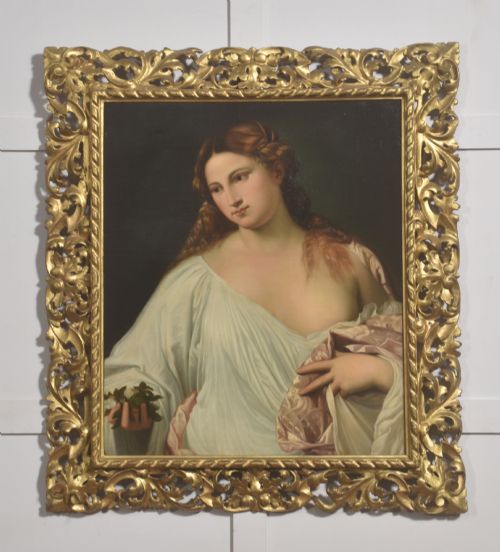
Nineteenth-century oil paintings and Victorian landscapes dominate the current selection alongside mid-century Dutch style rural scenes and earlier portraiture. These pieces capture subjects from floral still lifes to coastal views and historical figures.
Works attributed to named artists sit alongside pieces from regional European schools and anonymous makers. The forms include oval canvases, large rectangular framed works, and detailed miniature portraits.
Materials and construction methods
Painters utilised oil paint applied to stretched canvas, wooden boards, or paper surfaces, often building up rich layers of pigment and glaze. Many pieces retain their original wooden frames, frequently finished in giltwood.
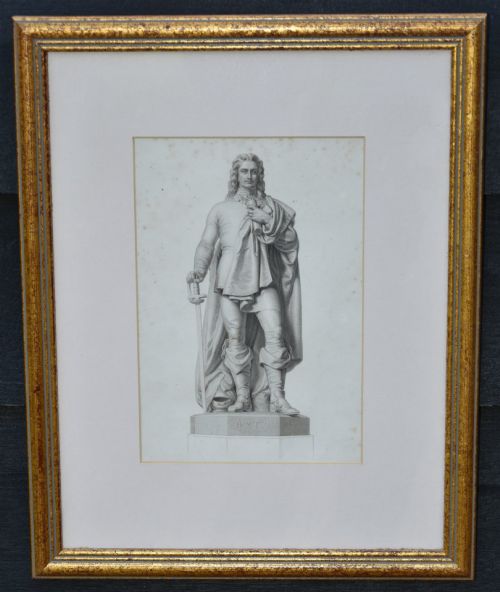
Printmakers employed engraving techniques on paper to produce detailed historical portraits and classical subjects. Canvas works were secured to wooden stretchers, whilst boards provided a rigid flat support for smaller compositions.
Classic Wall Artwork Retail Price Guide 2026
Typical asking prices for classic wall artwork among the pieces listed under this phrase on Sellingantiques today, from the lower quarter to the upper quarter. They describe what is for sale here now, not the wider market.
A nineteenth-century canvas captures a lively winter scene of children ice skating in the distinct Dutch manner.
Quality variations in pieces
Skilled brushwork, anatomical proportion, and confident handling of light separate master works from simpler decorative student pieces. The depth of the pigment layers and the preservation of the canvas or board determine the structural integrity of a painting.
The craftsmanship of the accompanying frame contributes significantly to the overall standard of a piece. Original giltwood frames with intact moulding carry greater historical weight than later replacements.
Martha Darlay Mutrie·Thomas Faed·Jeremiah Davison·David Roberts·Francis Moltino
The Classic Wall Artwork Glossary
- Canvas
- A heavy woven fabric stretched across a wooden frame to serve as a sturdy foundation for oil paintings. It provides a slightly textured surface that interacts with layers of pigment.
- Giltwood
- Timber that has been coated with a thin layer of gold leaf or gold paint. This finish is commonly found on ornate antique picture frames.
- Still life
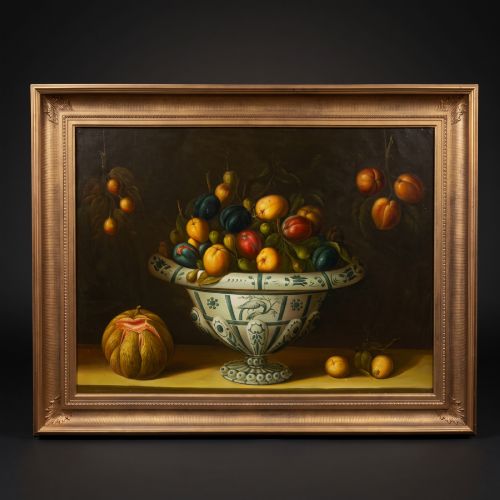
- An artwork depicting inanimate subject matter, typically everyday objects such as fruit, flowers, or bowls. These compositions allow artists to focus on texture, light, and arrangement.
- Engraving
- A printmaking process where an image is incised into a metal plate using a sharp tool. Ink is then pressed into the grooves to transfer the design onto paper.
Classic Wall Artwork: Frequently Asked Questions
How do I care for an oil painting?
Keep paintings away from direct sunlight and fluctuating humidity levels to prevent the canvas from warping or the paint from cracking.
Dust the surface gently with a soft dry brush and avoid using water or chemical cleaning agents on the pigment.
Are original frames important?
Original frames provide historical context and complement the specific period aesthetic of the artwork they enclose.
Matching frames protect the edges of the canvas and contribute to the overall presentation of the piece.
How do I identify the age of a painting?
Examine the stretcher bars, nails, and canvas weave for signs of age that match historical manufacturing methods.
Signatures, dates, and labels on the reverse of the board or canvas often provide clear clues to the creation date.
Where should I hang these artworks?
Select interior walls with stable temperatures and minimal exposure to moisture, such as living rooms or studies.
Ensure the hanging height places the centre of the artwork at eye level for optimal viewing.