




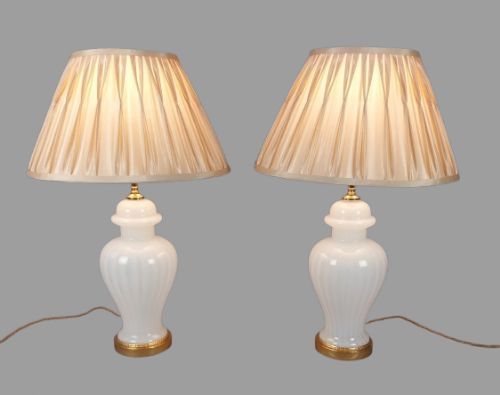


Classic Urn Lamp
These classic urn lamp options bring monumental form and steady interior illumination to a room, drawing on centuries of classical design.
Classic Urn Lamp
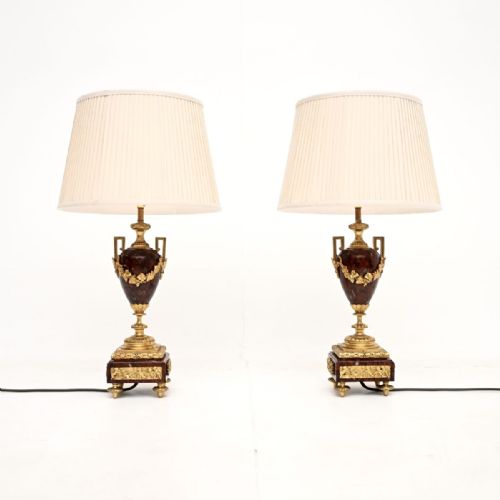
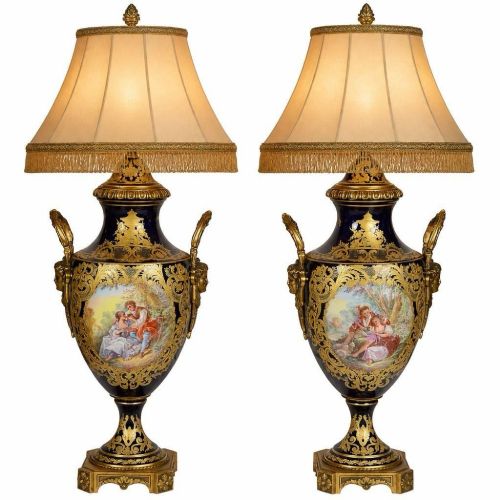
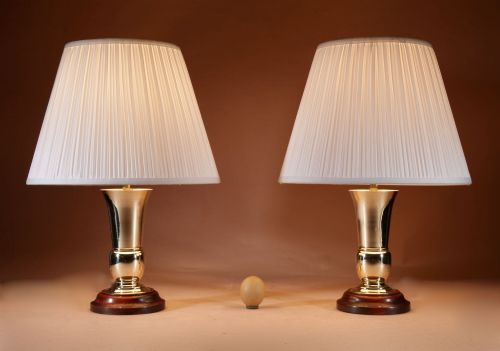
A classic urn lamp takes the traditional vessel shape from classical antiquity and adapts it into a functional table lighting piece for domestic interiors. These lamps draw heavily on Neoclassical, French Rococo Revival, and Louis XVI Revival vocabularies, frequently appearing in pairs.
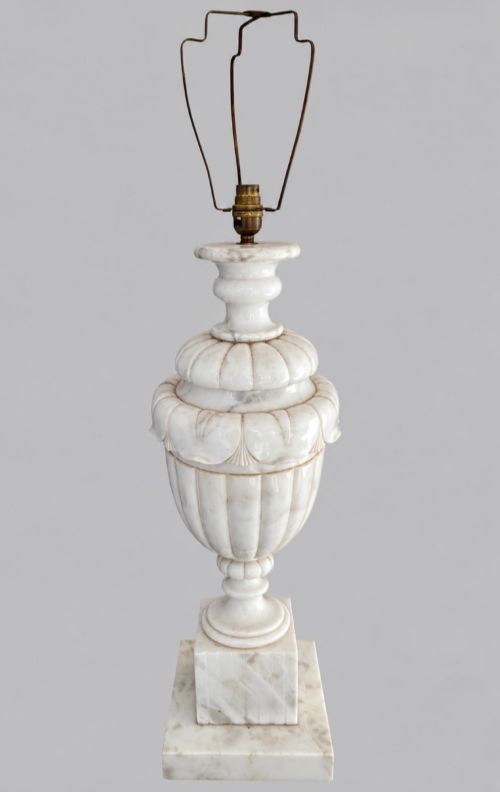
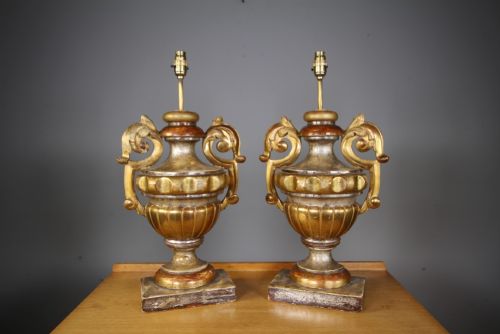
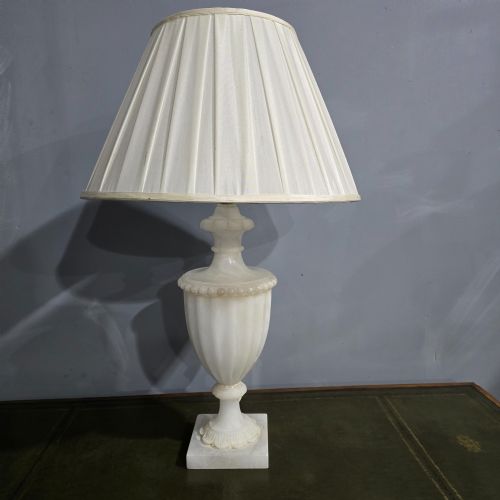
The materials span heavy metals, carved stones, and ceramics, reflecting both 19th Century craftsmanship and later 20th Century adaptations. Buyers will encounter marble, ormolu, porcelain, and carved pine forms upon this page.
Many examples originate from French workshops or bear strong stylistic ties to Sevres porcelain traditions, blending hand-painted details with cast metal mounts. The resulting objects function as both sources of light and substantial decorative centrepieces.
Materials and construction
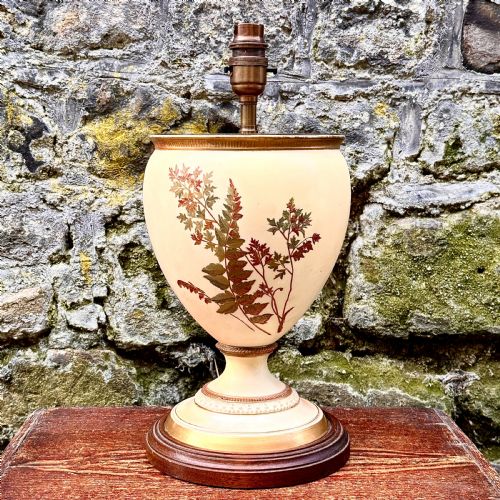
The construction of a classic urn lamp typically combines a heavy structural body of marble, alabaster, porcelain, or carved wood with cast metal mounts in brass, bronze, or ormolu. These materials require careful joining to support the weight of electrical wiring and standard fittings.
Surface decoration involves hand-painting on porcelain bodies, gilding on bronze and pine, and intricate cutting on glass or crystal elements. Metal components are often cast and chased to achieve crisp Neoclassical detailing around the handles and bases.
Classic Urn Lamp Retail Price Guide 2026
Typical asking prices for classic urn lamp among the pieces listed under this phrase on Sellingantiques today, from the lower quarter to the upper quarter. They describe what is for sale here now, not the wider market.
Some ewers originally designed for pouring water found a second life glowing softly on Edwardian sideboards.
Markers of quality
Quality rests in the weight and clarity of the materials, distinguishing solid carved marble and finely cast ormolu from lighter composite substitutes. Superior examples exhibit sharply chased metalwork and hand-painted porcelain with clean, secure mounts.
Proportion and balance dictate the visual success of the piece, where the height of the urn body harmonises with the mounting and the supporting base. Finer lamps maintain symmetry across pairs and utilise robust, period-appropriate hardware.
The Classic Urn Lamp Glossary
- Ormolu
- Gilded bronze, where a mercury amalgam is applied to cast bronze to create a durable, rich golden surface finish. This technique was widely utilised in French decorative arts during the 19th century.
- Sevres style
- A descriptive term for porcelain decorated in the manner of the famous French Sèvres factory, often featuring rich blue grounds and hand-painted reserves. It frequently appears on decorative urns adapted into lighting.
- Neoclassical
- A style spanning the 18th and 19th centuries that draws inspiration from the classical art and architecture of ancient Greece and Rome. It prioritises symmetry, restraint, and classical urn silhouettes.
- Ewer
- A large jug with a wide spout and handle, which is occasionally converted into an ornamental lamp base. Ewers share a similar vertical silhouette to traditional urns.
Classic Urn Lamp: Frequently Asked Questions
How do I style a classic urn lamp?
These substantial lamps anchor sideboards, console tables, and mantelpieces, providing height and architectural presence to a room. Pair matching pieces symmetrically on either side of a large mirror or artwork for a formal look.
Soften the formality by pairing them with textured fabric or silk shades that complement the tones of the marble, porcelain, or bronze base. Ensure the scale of the lamp matches the surrounding furniture so the piece commands attention without overcrowding the space.
Are these lamps wired for modern use?
Most antique lamps have been rewired at various points in their history to meet contemporary safety standards. Buyers should inspect the flex and plug to confirm they suit current domestic electrical setups.
If rewiring is necessary, a professional can easily update the internal cord while preserving the original body, mounts, and socket housings of the lamp.
How do I identify a 19th-century lamp?
Nineteenth-century examples frequently feature heavy cast bronze or ormolu mounts, hand-carved marble, and traditional hand-painted porcelain in the Sevres style. The weight of the materials and the depth of the chasing on metal components point to this period.
Look for construction methods such as threaded rods securing the sections together, which are typical of Victorian and late 19th-century manufacturing techniques.
What is the difference between porcelain and glass lamps?
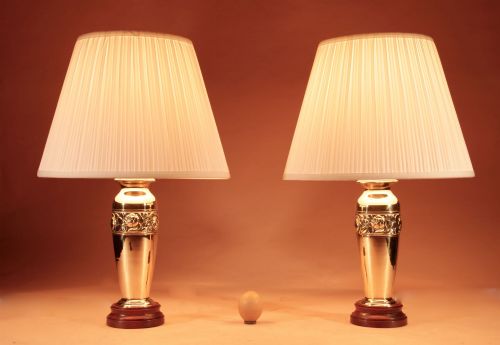
Porcelain urn lamps provide an opaque, ceramic body that often displays hand-painted scenes or solid coloured glazes with gilt accents. Glass and crystal lamps, including opaline or cut varieties, offer translucent qualities that interact differently with light.
While porcelain leans toward traditional French revival styles, glass and crystal variants often reflect later periods like the 1920s or mid-century production.