
Classic Storage Drawers
Classic storage drawers combine practical utility with centuries of cabinet-making heritage, offering timeless organisation through mahogany, pine, and walnut chests.
Classic Storage Drawers
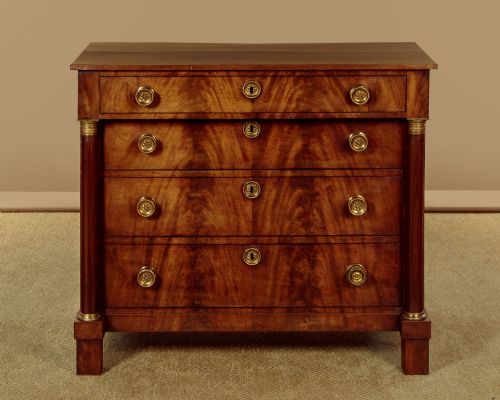
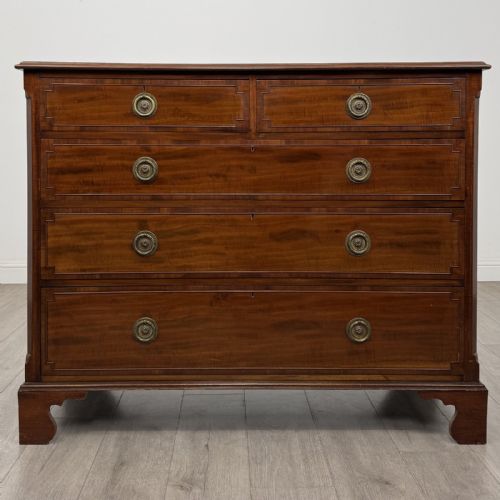
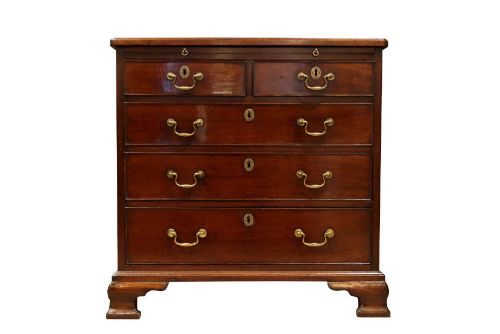
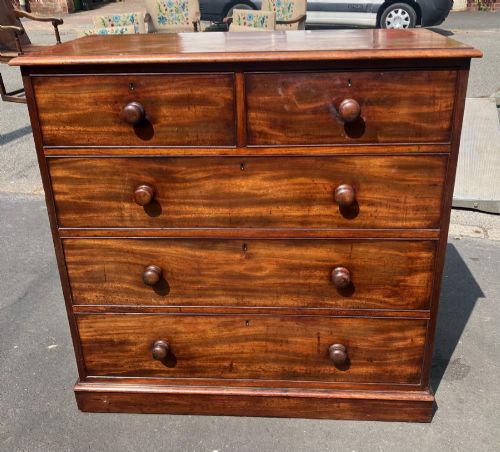
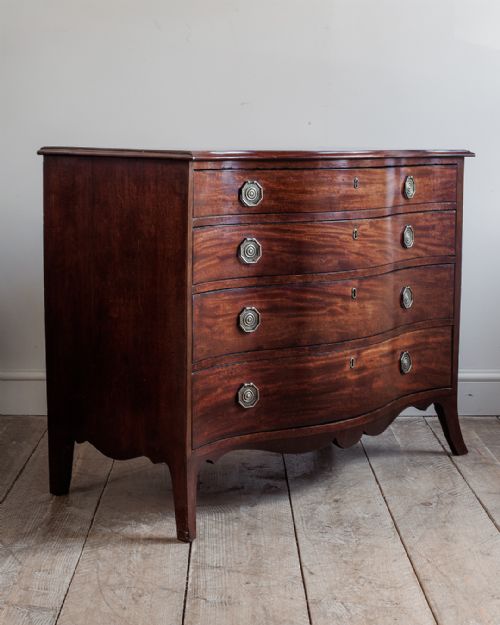
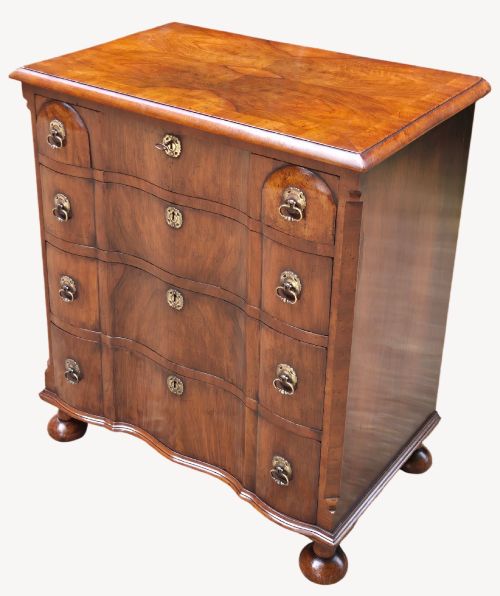
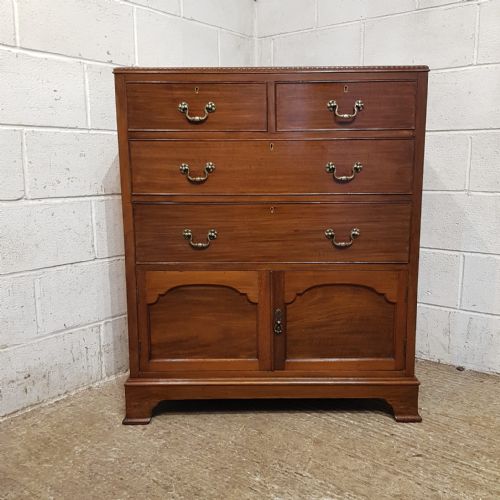
Classic storage drawers primarily appear as chests of drawers, tallboys, and commodes spanning the eighteenth, nineteenth, and early twentieth centuries. These pieces originate predominantly from British workshops alongside select continental European examples.
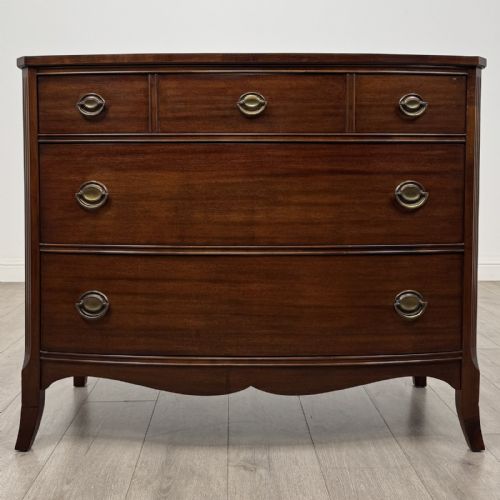
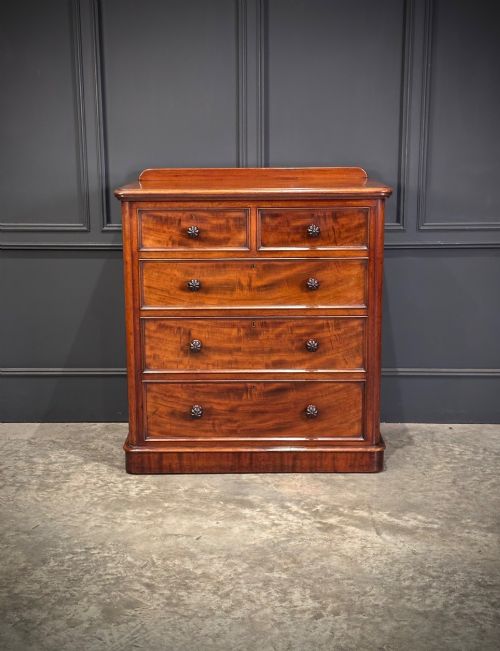
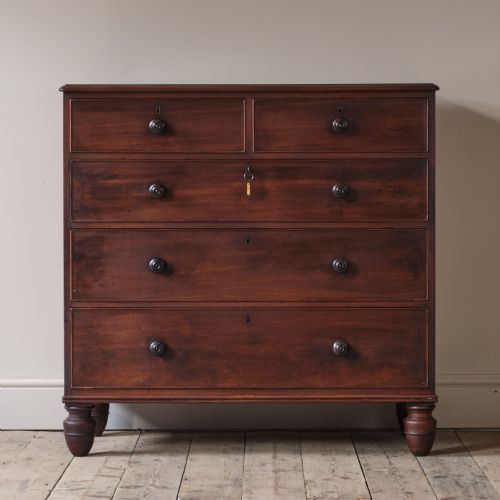
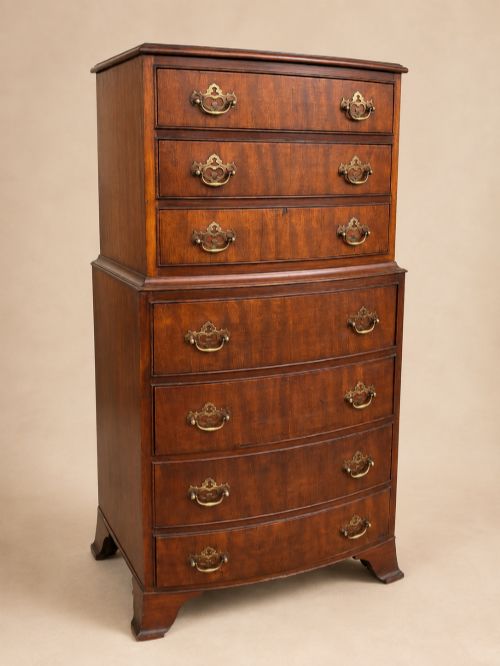
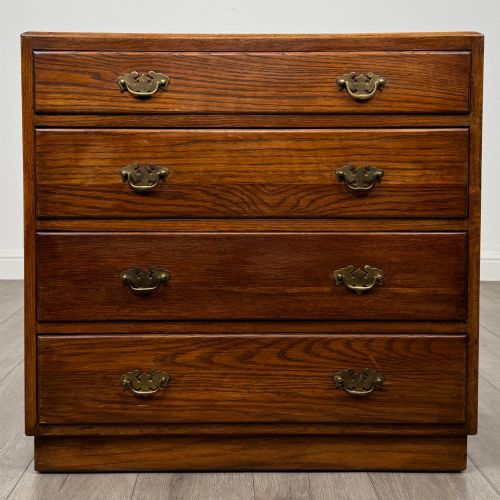
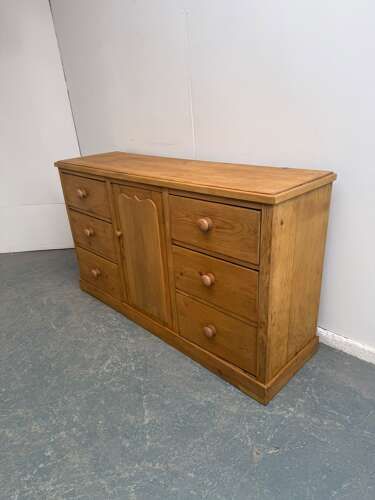
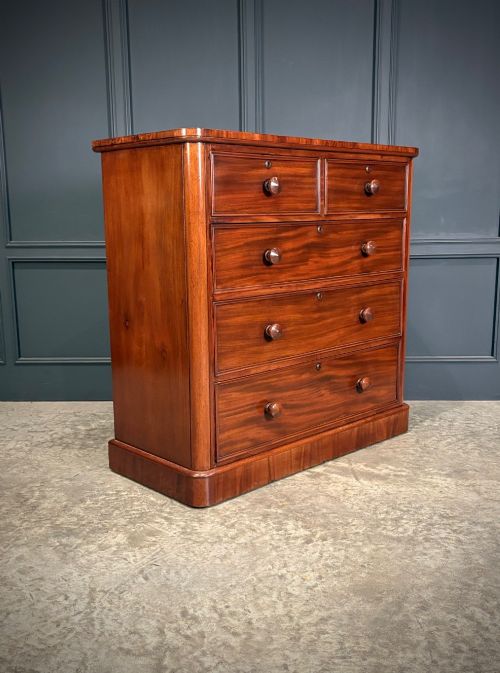
Mahogany forms the most common timber encountered on this page, often shaped into bow-fronted or serpentine profiles. Pine examples provide a more robust, utilitarian aesthetic associated with kitchen dresser bases and country workshops.
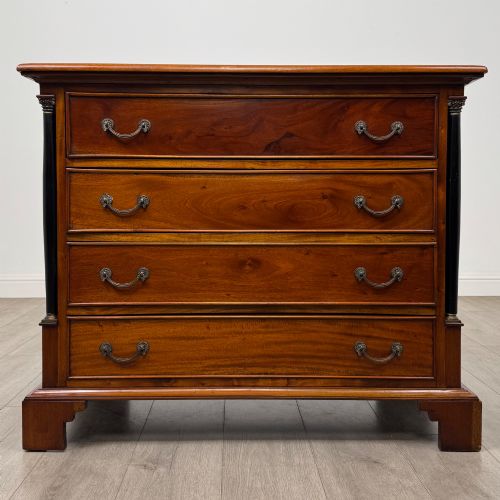
The selection extends from formal Georgian and Regency designs with bracket feet and brass handles down to Edwardian oak variations and simpler Victorian pine constructions.
Materials and Technique
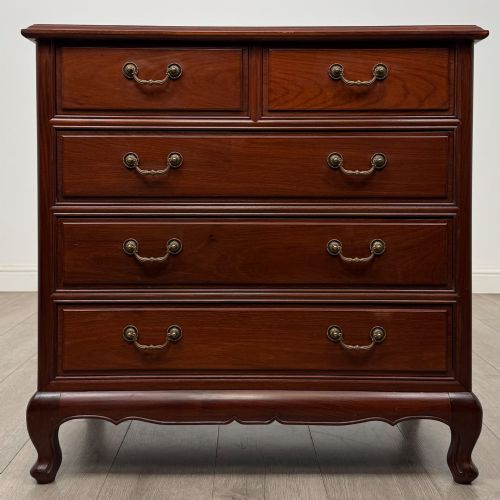
Cabinet-makers relied on solid mahogany, walnut, and pine, frequently applying flame mahogany veneer to primary surfaces for visual depth. Brass handles and escutcheons punctuate the drawer fronts, while bracket feet or plinth bases anchor the structures.
Construction techniques involve traditional jointing methods paired with tongue-and-groove panels in vernacular pieces like pine dresser bases. Surface finishes typically rely on traditional wax polishes that highlight the natural grain of the timber.
Specialist storage reaches its zenith in a forty-drawer collectors cabinet designed to house tiny, organised treasures.
The Measure of Quality
Quality separates through the selection of timber figures, such as the richness of flame mahogany veneer, and the crispness of cabinet-maker joinery. Pieces featuring secondary woods of equal integrity and original brass hardware retain higher standards of execution.
Proportion and architectural balance dictate the upper tier of the range, where serpentine or bow-front profiles demand precise woodworking skill. Originality of surface finish and the retention of period feet further distinguish superior examples from standard utility pieces.
T G Seddon·Brady·C Hindley
The Classic Storage Drawers Glossary
- Bow front
- A convex curved cabinet front popular during the Georgian and Regency periods. This shape softens the profile of a standard chest of drawers.
- Tallboy
- A tall chest of drawers standing upon another, effectively doubling storage capacity. These pieces rose to prominence during the eighteenth century.
- Brushing slide
- A pull-out shelf integrated above the top drawers used for folding garments. It provides a convenient temporary surface.
- Bracket foot
- A foot formed by two pieces of wood joined at a mitre beneath the corners of a cabinet. It provides stable elevation for Georgian case furniture.
- Commode
- A low decorative chest of drawers originating in France. These pieces frequently incorporate marble tops and fine veneers.
Classic Storage Drawers: Frequently Asked Questions
How do I date a mahogany chest?
Dating relies upon examining construction traits, drawer linings, and handle styles against known historical periods. Georgian pieces often feature oak linings and hand-cut dovetails.
Later Victorian and Edwardian examples introduce machine-sawn timber and standardised hardware fixings. Feet designs also shift from bracket styles to turned knobs over time.
What is a brushing slide used for?
A brushing slide served as a temporary shelf for sorting garments or dusting clothes before dressing. Cabinet-makers integrated them just beneath the top surface.
They appear frequently in eighteenth-century tallboys and compact chests of drawers. Today, they function as a distinctive indicator of period craftsmanship.
How do I care for antique pine?
Antique pine responds best to regular waxing using traditional beeswax formulations rather than modern silicon sprays. This preserves the patina of waxed kitchen dresser bases.
Keep wooden furniture away from direct heat sources and drastic humidity changes to prevent timber splitting. Gentle dusting with a dry lint-free cloth maintains the surface.
Are bow front chests Georgian?
Bow front chests span both the Georgian and Regency eras, though the profile continued into Victorian production. Eighteenth-century versions typically showcase subtle curves in solid or veneered mahogany.
Later nineteenth-century interpretations often feature bolder proportions and different internal drawer construction. Examining the backboards and timber thickness helps confirm the exact era.