





Classic Steel Watch
A classic steel watch combines durable metal housing with reliable mechanical movement, offering timeless utility.
Classic Steel Watch
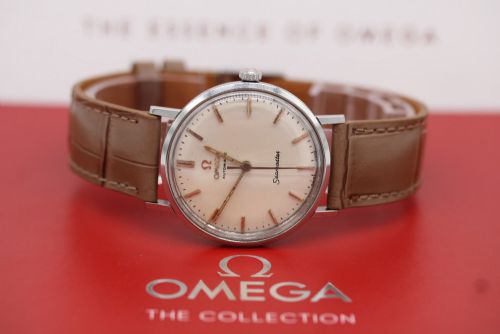
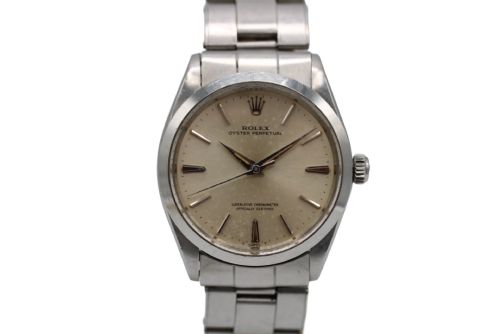
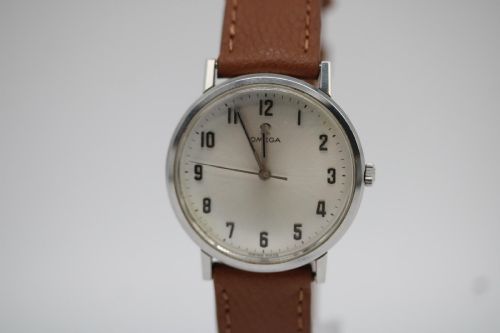
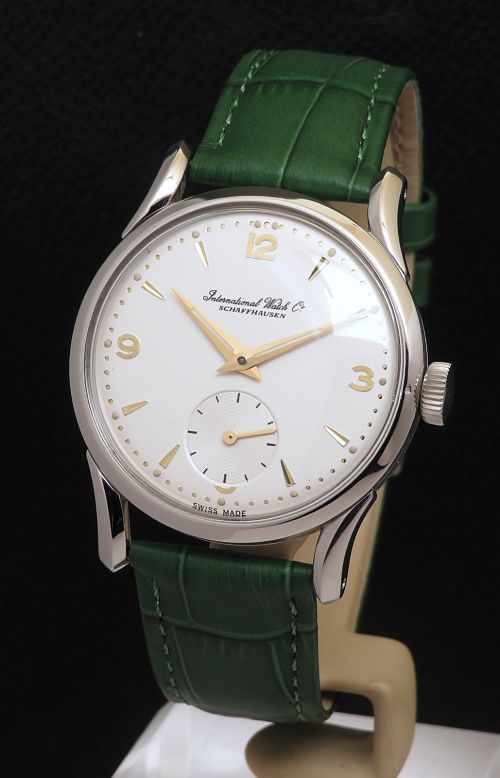
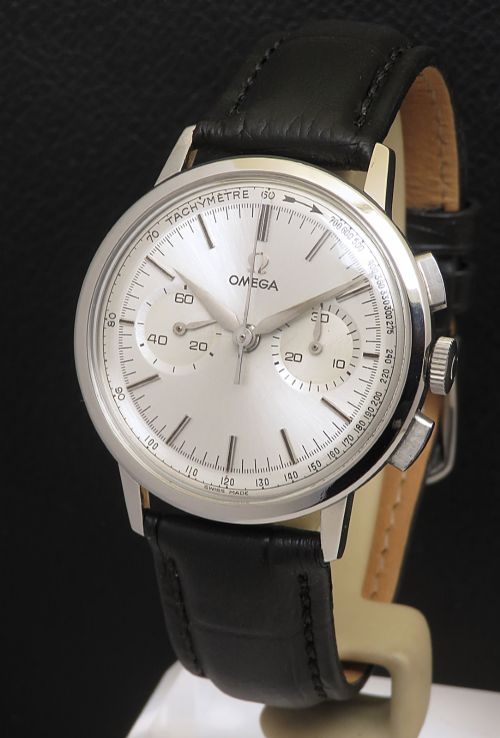
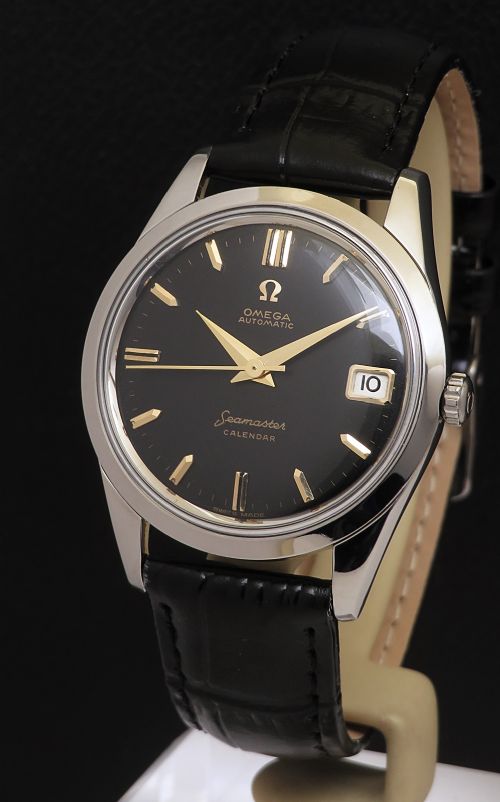
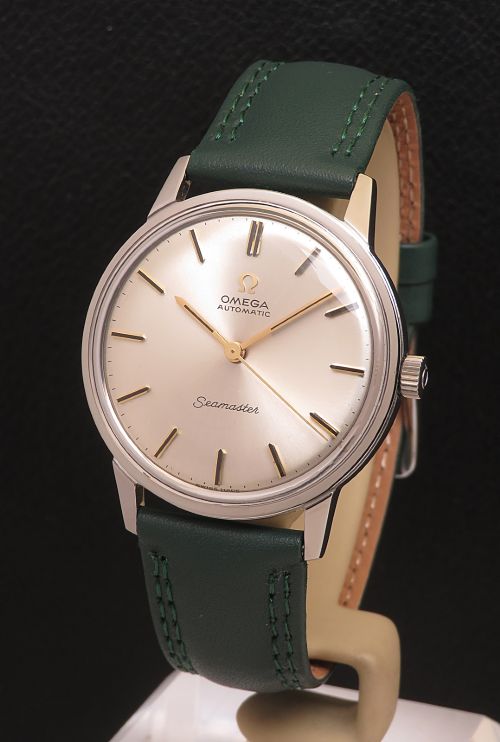
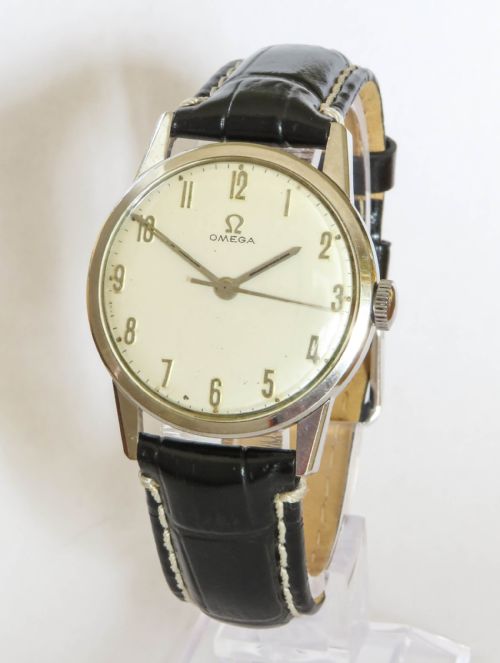
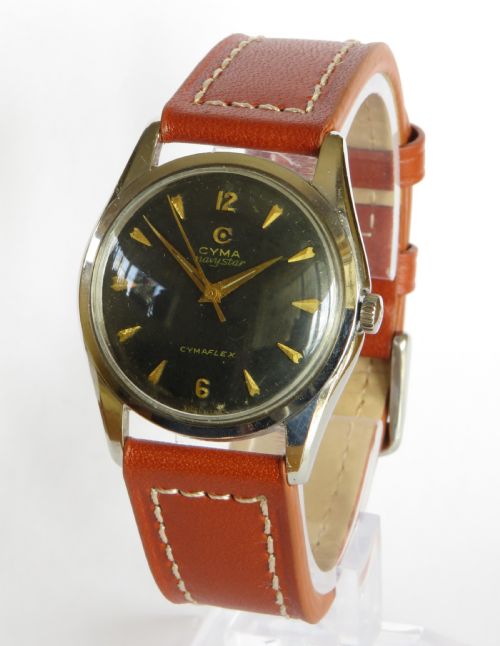
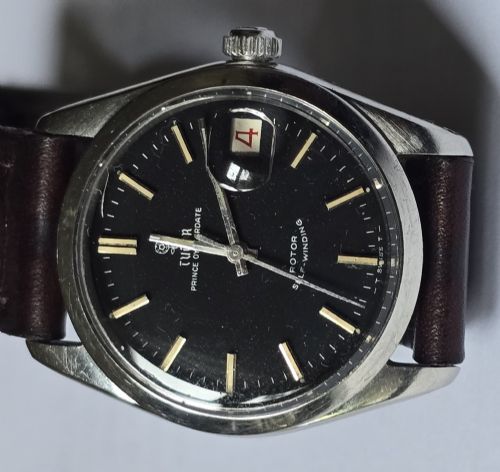
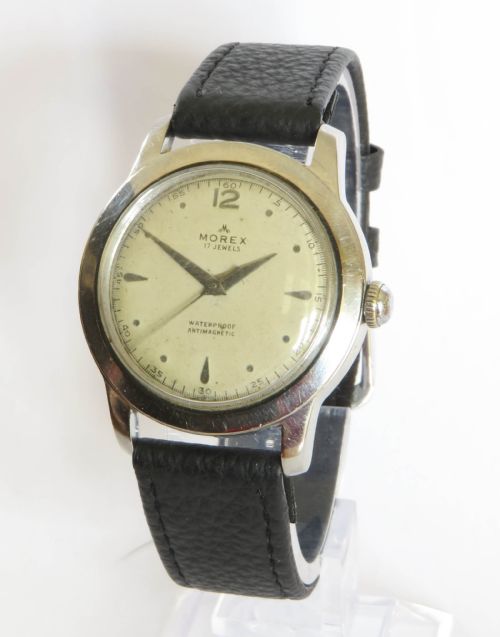
When you examine a classic steel watch, you encounter wristwatches produced primarily across the middle decades of the twentieth century. The selections available on this page concentrate heavily on pieces from the nineteen-fifties and nineteen-sixties, alongside select examples reaching back into the nineteen-forties and nineteen-thirties.
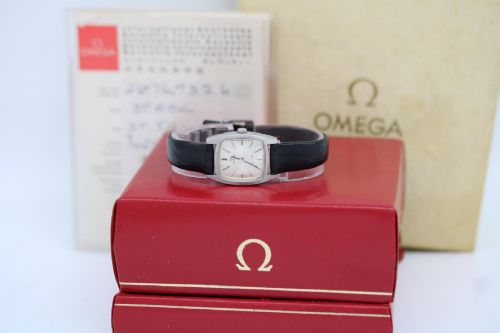
These items manifest predominantly as gents wristwatches, though ladies variations also appear. Forms span from simple manual wind timepieces to date displays and automatic chronometers.
The aesthetic bridges utilitarian tool watches and dressier mid-century modern styling. You meet makers and houses that defined twentieth-century horology, housed in robust metallic casings.
Distinctions in quality and condition
Quality rests on the originality of components, the precision of mechanical calibres, and the preservation of case geometry. Pieces retaining original dials and factory finishes stand apart from heavily altered examples.
Service history and mechanical health dictate everyday reliability. Documentation such as boxes and papers further elevate the standing of an individual wristwatch.
Certain dials develop charming tropical patinas, slowly turning from black to warm chocolate brown under decades of sunlight.
Omega·Tudor·Longines·Cyma·Eterna·Girard Perregaux·Smiths Empire·Rolex·Morex
The Classic Steel Watch Glossary
- Calibre
- The specific internal mechanical movement manufactured for a watch. It identifies the exact design and series of the inner machinery.
- Chronometer
- A high-precision timepiece that has passed rigorous accuracy tests. These movements are certified for exceptional timekeeping performance.
- Manual wind
- A mechanical movement requiring daily hand rotation of the crown to tension the mainspring. It lacks an automatic rotor.
- Acrylic glass
- A transparent plastic material utilised for watch crystals prior to the widespread adoption of synthetic sapphire. It offers warmth and distinctive distortion at sharp angles.
- Patinated dial
- An aged watch face showing natural discoloration or textural changes from age and exposure. Collectors value this authentic sign of history.
Classic Steel Watch: Frequently Asked Questions
How do I wind a manual watch?
Rotate the crown clockwise between your thumb and forefinger until slight resistance indicates the mainspring is fully tensioned. Do not force past this point to avoid damaging the internal components.
Perform this action at approximately the same time each day to maintain consistent power delivery and accurate timekeeping.
Are vintage steel watches waterproof?
Original water resistance seals degrade significantly over decades. Modern exposure to moisture can easily compromise the vintage movement.
Keep these items away from water entirely unless a professional watchmaker has recently tested and serviced the case gaskets.
How do I date my wristwatch?
Inspect movement serial numbers against manufacturer production records to determine the exact year of manufacture. Case backs and interior hallmarks also provide chronological markers.
Stylistic cues such as dial typography and hand shapes further narrow down the production era.