
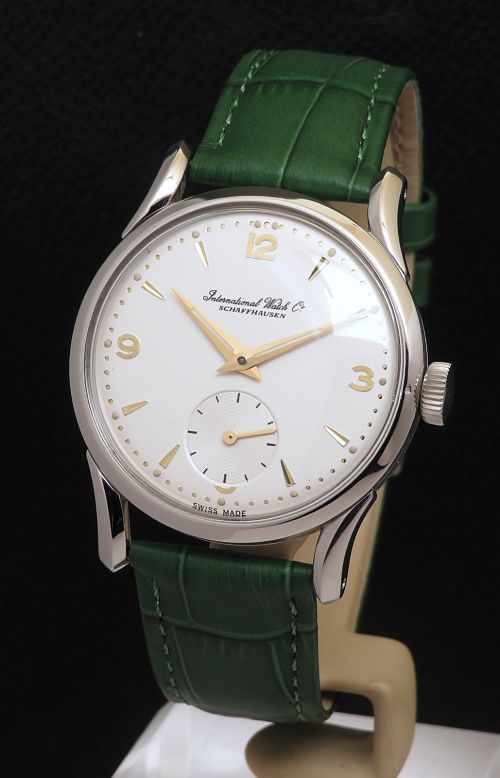
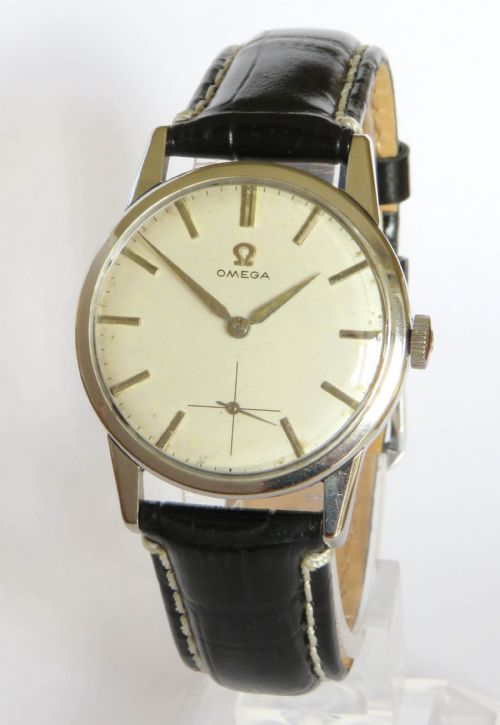
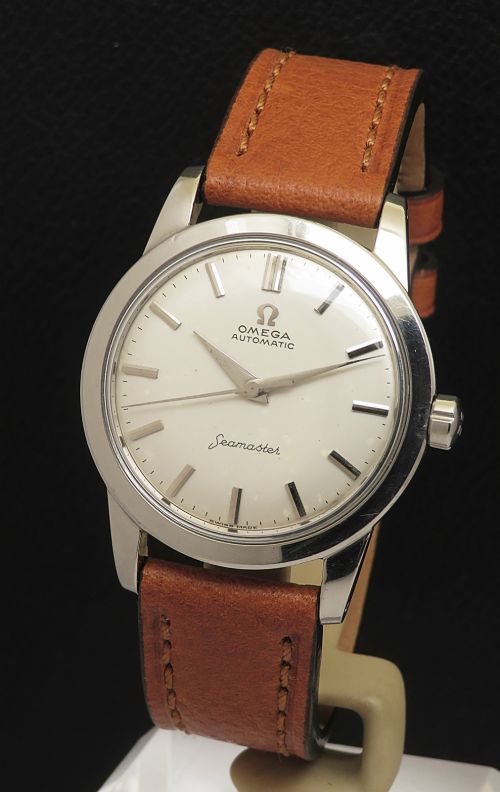
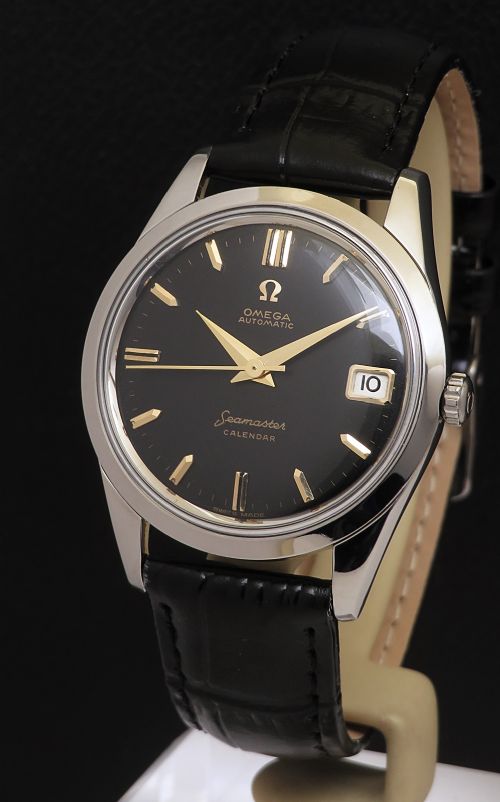
Classic Steel Timepiece
A classic steel timepiece offers enduring utility and mid-century design, bringing mechanical wristwatches from the nineteen-thirties to the nineteen-seventies into daily rotation.
Classic Steel Timepiece
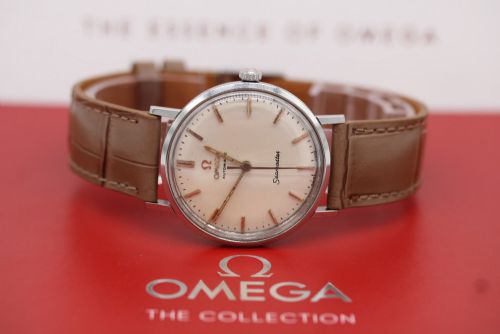
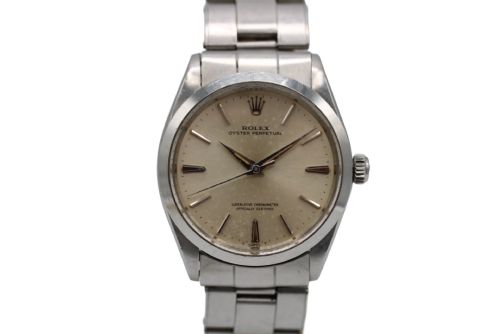
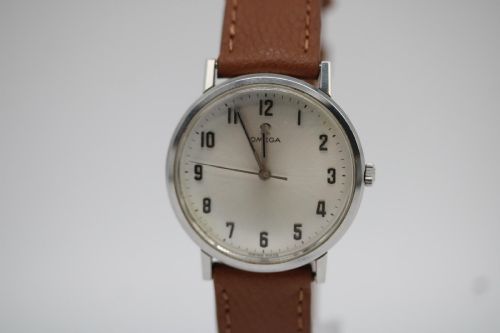
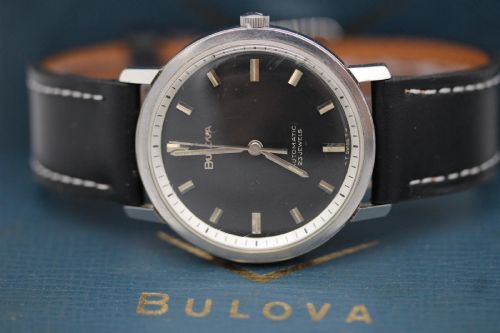
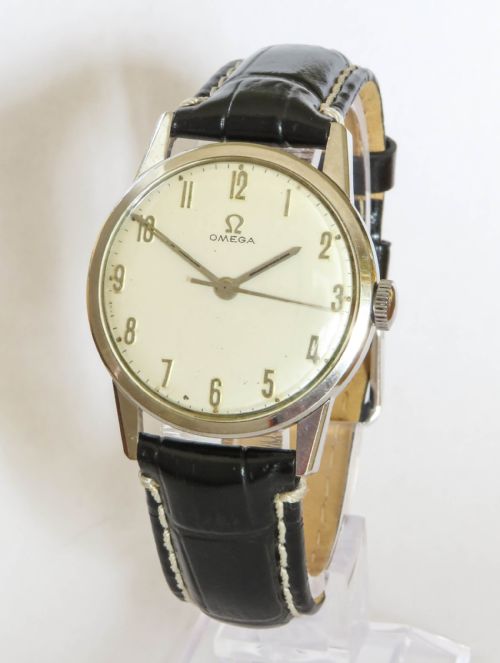
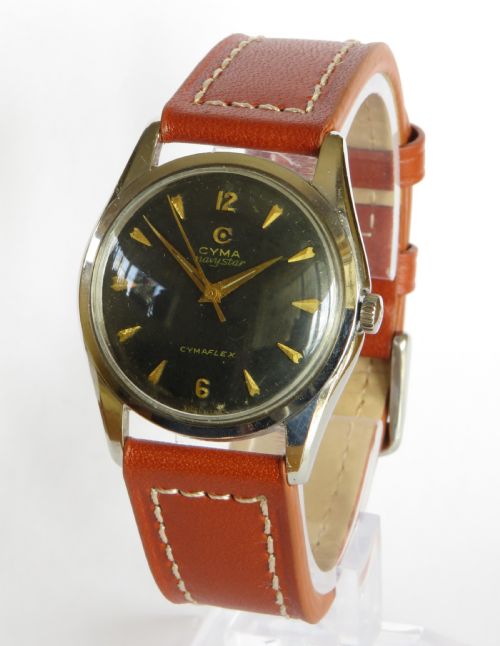
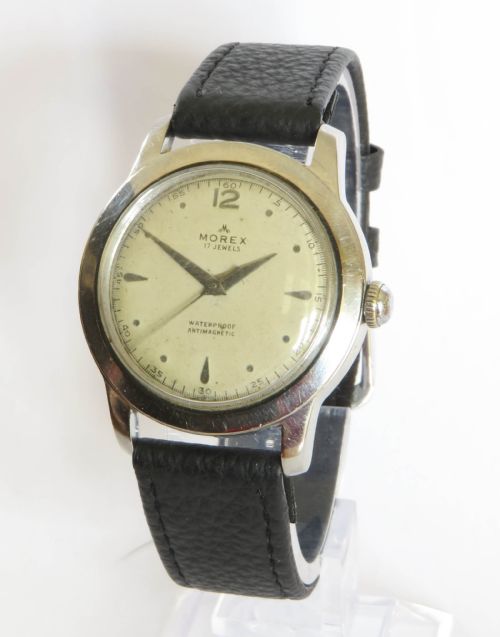
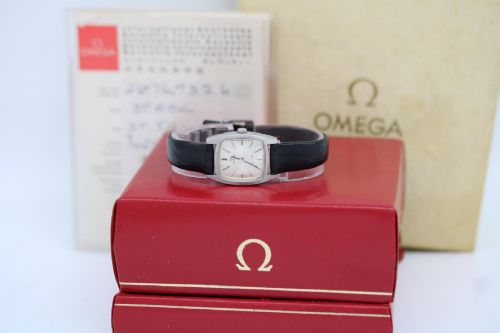
A classic steel timepiece encompasses wristwatches and wrist watches primarily originating from the nineteen-thirties through to the nineteen-seventies. These items span design movements such as art deco, mid-century modern, and various twentieth-century vintage styles.
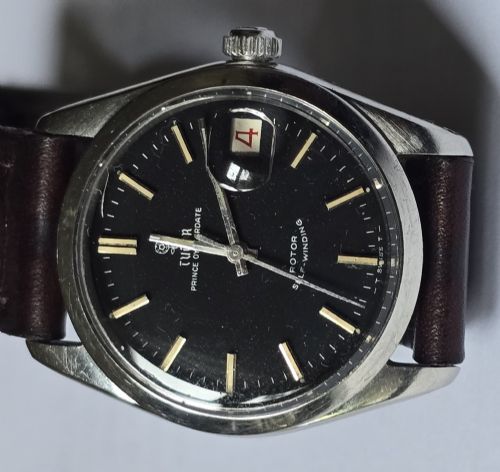
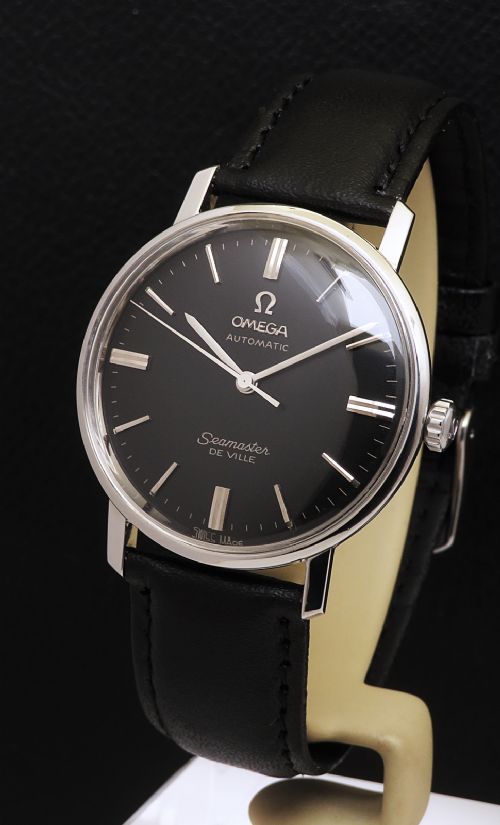
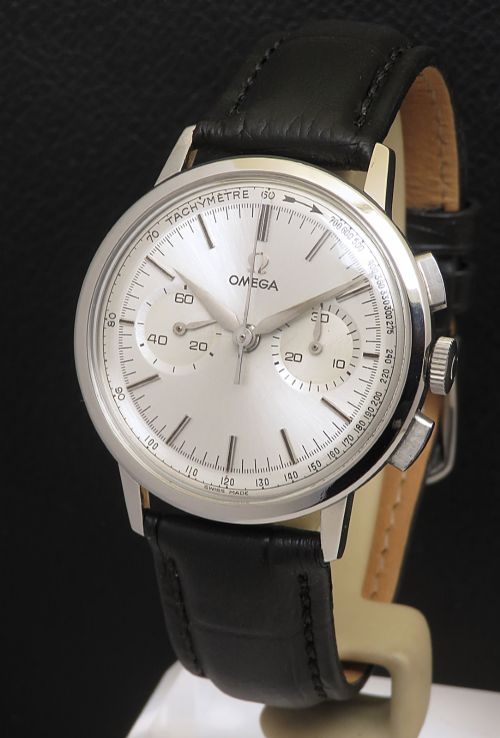
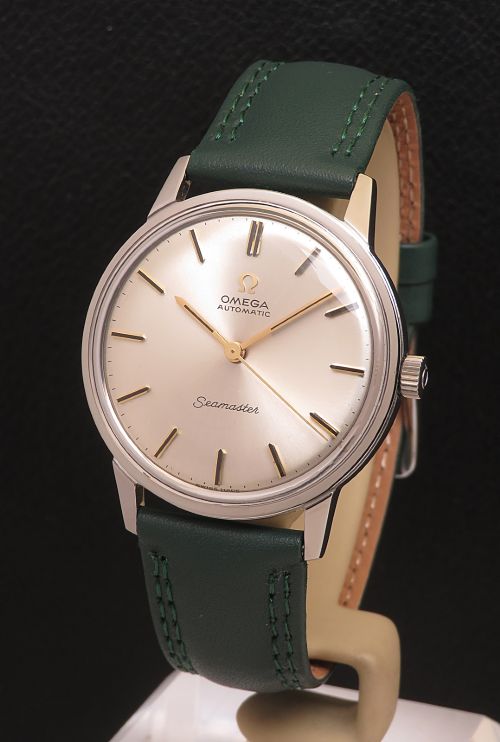
The version most commonly encountered on this page is the gents wrist watch housed in stainless steel. Examples frequently appear from manufacturers active during the mid-century period, reflecting the robust materials and functional aesthetics of that era.
Distinctions in standard and condition
The integrity of the internal calibre and the degree of original preservation separate different tiers of pieces. Fully restored movements and untouched, all-original components represent distinct approaches to maintaining mechanical heritage.
Dial condition heavily influences the character of a piece, ranging from clean, mint surfaces to naturally aged patinated faces. Case finishing, including jumbo proportions and specific reference markers, further differentiates individual examples.
Listings feature items spanning four decades, starting from the nineteen-thirties and extending through the nineteen-sixties.
International Watch Company IWC·Omega·Tudor·Montilier·Cyma·Longines·Eterna·Prisma·Girard Perregaux·Rolex·Smiths Empire
The Classic Steel Timepiece Glossary
- Calibre
- The specific internal movement design or model created by a watch manufacturer. This identifier denotes the mechanical architecture powering the timepiece.
- Automatic
- A self-winding mechanical movement that uses the natural motion of the wearer to power the mainspring. This mechanism removes the need for daily manual winding.
- Bumper
- An early form of automatic movement where the rotor swings back and forth within a limited arc rather than making a full rotation. The wearer feels a gentle tap against the internal buffer springs.
- Patina
- The natural ageing, darkening, or subtle colour shift that develops on a dial or case over decades. Many collectors prize this evidence of genuine age.
- Manual Wind
- A movement requiring the wearer to turn the crown by hand to tension the mainspring. This traditional method preserves a slimmer case profile.
Classic Steel Timepiece: Frequently Asked Questions
How do I wind a manual watch?
Rotate the crown gently between your thumb and forefinger in a forward direction until you feel firm resistance. Stop immediately at that point to avoid damaging the internal spring.
Wind the watch around the same time each day to maintain consistent tension and accurate timekeeping.
Are these vintage watches waterproof?
Vintage timepieces generally lack modern waterproof seals and gasket integrity. Exposure to moisture, rain, or humidity can cause condensation inside the crystal and rust the delicate movement.
Keep these items away from water entirely, removing them before swimming, bathing, or washing hands.
How often does a service happen?
Mechanical watches require periodic cleaning and lubrication of their gears and springs every few years. A professional service ensures dried oils do not grind down the metal components during operation.
Watchmakers dismantle the calibre entirely, wash the parts, reassemble them, and calibrate the beat rate for precision.
What is a bumper automatic?
A bumper automatic uses a semi-circular weighted rotor that bounces back against internal springs to wind the mainspring. You can feel a slight knock on your wrist as the weight moves while you walk.
This technology represents an early step in self-winding wristwatch development before full-rotor systems became standard.