



Classic Sofa Table
A classic sofa table provides a slender, adaptable surface designed to stand behind furniture or serve as a freestanding console.
Classic Sofa Table
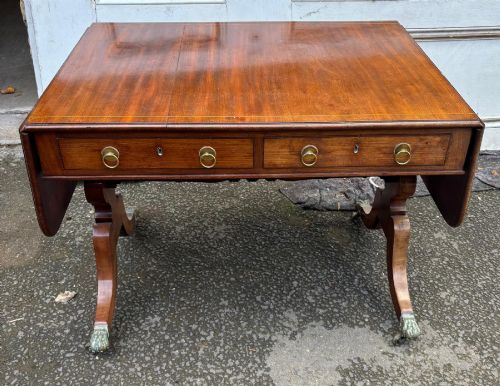
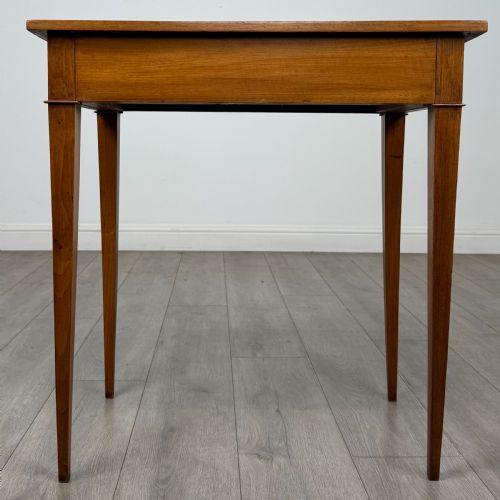
A classic sofa table is typically represented in current stock by forms spanning the Georgian, Regency, and nineteenth-century periods, alongside later twentieth-century interpretations. These versatile pieces appear in records under related designations such as console tables, Pembroke tables, and occasional tables.
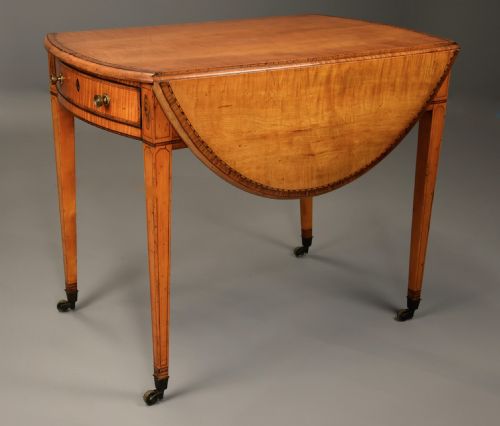
Makers often utilised rich timbers, with mahogany and walnut forming the backbone of the selection, complemented by satinwood, sycamore, and burr birch. Surviving examples frequently demonstrate regional cabinet-making traits, including crossbanding and inlaid details characteristic of revival styles.
Buyers will encounter both long, narrow console formats intended for walls and drop-leaf Pembroke configurations suited for flexible placement within a room. The structural variety reflects shifting domestic needs from the eighteenth century through to the Edwardian era.
Materials and construction
Cabinet-makers relied heavily on solid hardwoods and decorative veneers, applying mahogany and walnut to primary surfaces whilst incorporating satinwood and sycamore for contrasting stringing or crossbanding. Timber selection dictated both the visual weight and the durability of the piece.
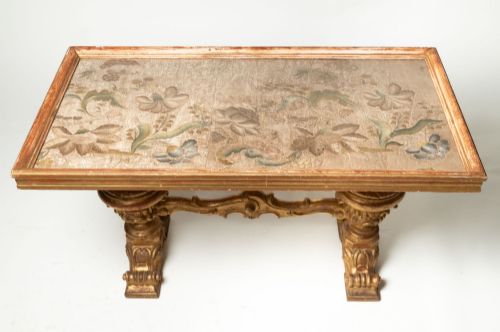
Metal mounts in brass frequently reinforced structural joints or adorned drawer fronts and legs, particularly on Regency and Empire revival pieces. Giltwood and textile elements appear in specific decorative schemes, adding texture and reflective contrast to the wooden frames.
Classic Sofa Table Retail Price Guide 2026
Typical asking prices for classic sofa table among the pieces listed under this phrase on Sellingantiques today, from the lower quarter to the upper quarter. They describe what is for sale here now, not the wider market.
Hidden drawers tucked beneath table tops reward curious fingers with unexpected storage.
Assessing quality and execution
Quality in these tables is determined by the selection of timber figures, such as fiddleback sycamore or burr birch, and the precision of the cabinet-maker's joinery. Superior examples exhibit seamless crossbanding and careful matching of grain patterns across drop leaves and table tops.
The sophistication of decorative enrichment, from subtle string inlay to elaborate giltwood carving, separates standard production from exceptional workshop output. Attention to secondary woods and the interior construction of hidden drawers further indicate the standard of craftsmanship.
James Mein Kelso
The Classic Sofa Table Glossary
- Crossbanding
- A strip of veneer applied to the border of a table top running perpendicular to the grain of the central panel. This technique frames the primary timber and provides a decorative contrast.
- Pembroke table
- A small rectangular table featuring two hinged drop leaves on opposing sides. It often includes one or two small drawers and slender legs.
- Console table
- A table designed to be fixed against a wall or supported by front legs with brackets securing the rear. They frequently appear in pairs during the Regency and nineteenth-century periods.
- Fiddleback
- A decorative figure in timber, particularly sycamore or mahogany, showing ripples resembling the back of a violin. It results from undulating wood grain.
- Stringing
- A narrow line of contrasting veneer inlaid into the surface of a piece of furniture. It defines geometric panels and outlines table edges.
Classic Sofa Table: Frequently Asked Questions
What is a classic sofa table?
A classic sofa table is a narrow, freestanding or wall-adjacent table originally designed to sit behind a sofa or serve as a general surface in a principal room.
Surviving examples often feature drop leaves and drawers, drawing on Georgian, Regency, and later nineteenth-century cabinet-making traditions.
How were these tables used historically?
These tables functioned as adaptable writing desks, serving surfaces, or decorative consoles in drawing rooms and parlours.
Drop-leaf versions allowed owners to expand the surface area when entertaining or fold the flaps down to save space.
How do I identify the period of a table?
Period identification relies on examining the timber species, construction methods, and stylistic vocabulary such as neoclassical revival motifs or Empire details.
Cabinet-makers of different eras utilised distinct inlay techniques and leg profiles, from slender tapered supports to heavy carved pedestals.
Where should I place a console table?
Console tables suit entrance hallways, narrow corridors, or placement against a living room wall beneath a mirror or artwork.
Their shallow depth ensures they occupy minimal floor space while providing a stable display surface.