



Classic Silver Pendant
A classic silver pendant brings overhead brilliance and refined structure to a room.
Classic Silver Pendant
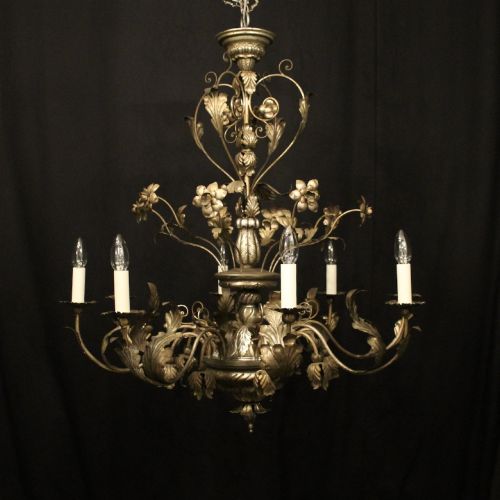
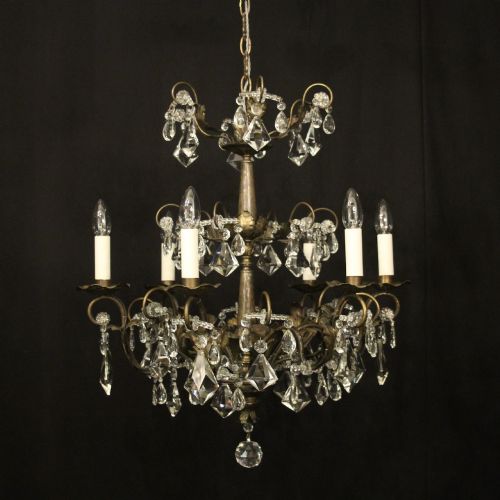
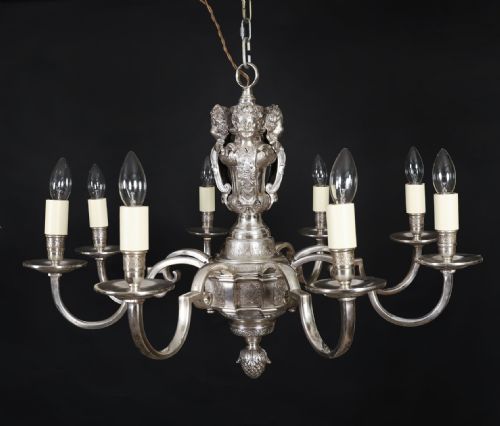
The selections available here predominantly comprise multi-arm chandeliers and hall lanterns originating from French and Italian workshops. These pieces integrate metallic finishes with glass components to create sophisticated overhead lighting schemes.
How they were made
Maker workshops utilised metals such as bronze, brass, steel and silvered metal as structural skeletons, often applying silver gilding or silver plating to the visible surfaces. These metal foundations provide both the necessary rigidity for multi-arm configurations and a reflective surface for ambient light.
artisans integrated cut glass and crystal drops or bowls to enhance the luminosity of the bulbs or candles. The combination of reflective silver tones with clear crystal elements defines the visual execution of these suspended fixtures.
Classic Silver Pendant Retail Price Guide 2026
Typical asking prices for classic silver pendant among the pieces listed under this phrase on Sellingantiques today, from the lower quarter to the upper quarter. They describe what is for sale here now, not the wider market.
Some lanterns feature subtle ventilation holes at the top to let heat escape from candles long before electricity arrived.
What varies in quality
Quality rests in the precision of the metal casting and the complexity of the arm configurations, ranging from simple twin-light lanterns to multi-tiered fifteen-light structures. Heavier bronze and brass foundations provide greater durability and structural integrity compared to lighter metallic alloys.
The refinement of the surface treatment, whether through careful silver plating or rich silver gilding, dictates the depth of the metallic finish. Additionally, the clarity and cut of the associated crystal or glass elements separate standard decorative pieces from finer decorative lighting.
The Classic Silver Pendant Glossary
- Chandelier
- A branched suspended lighting fixture designed to hold multiple lamps or candles. These fixtures form grand centrepieces in principal rooms.
- Hall lantern
- An enclosed hanging light fixture typically deployed in corridors, entryways or stairwells. They protect the internal light source within a metal and glass frame.
- Gilded bronze
- Metalwork coated in a thin layer of gold or silver leaf, providing a luminous and enduring surface. This technique highlights intricate cast details.
- Crystal
- High-clarity glass containing metal oxides that increase refractive index and sparkle. It refracts light into distinct spectral colours.
Classic Silver Pendant: Frequently Asked Questions
Where should a chandelier hang?
These suspended fixtures suit principal reception rooms, dining areas and entrance halls where their vertical presence commands attention. Ensure adequate clearance beneath the lowest point for foot traffic.
In dining spaces, position the fixture centrally above the table to anchor the furniture arrangement and provide focused illumination.
How do I clean crystal drops?
Remove delicate glass and crystal elements carefully before washing them in lukewarm water with a mild, non-abrasive detergent. Dry each piece thoroughly with a lint-free cloth to restore its reflective clarity.
Wipe the silvered metal frame with a soft, dry cloth to remove dust without disturbing the protective surface finish.
Can these lights use modern bulbs?
Most vintage and antique fixtures accept standard modern bulb fittings through rewiring carried out by a qualified professional. Ensure the electrical components meet current safety standards before installation.
Select lower wattage or LED alternatives that mimic traditional warmth without generating excessive heat near historical metalwork.
How do I determine the period?
Examine the casting techniques, mounting screws and wiring channels to understand the manufacturing era. Stylistic markers such as French Neoclassical or Edwardian motifs offer clear chronological clues.
Compare the surface wear and metal composition against known manufacturing standards from the nineteenth and early twentieth centuries.