


Classic Silver Dial Watch
A classic silver dial watch offers timeless wristwear appeal, drawing collectors to mid-century designs spanning the 1940s to the 1960s.
Classic Silver Dial Watch
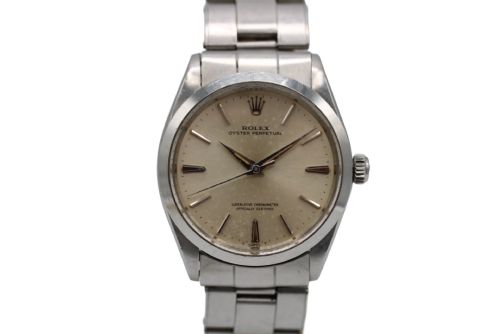
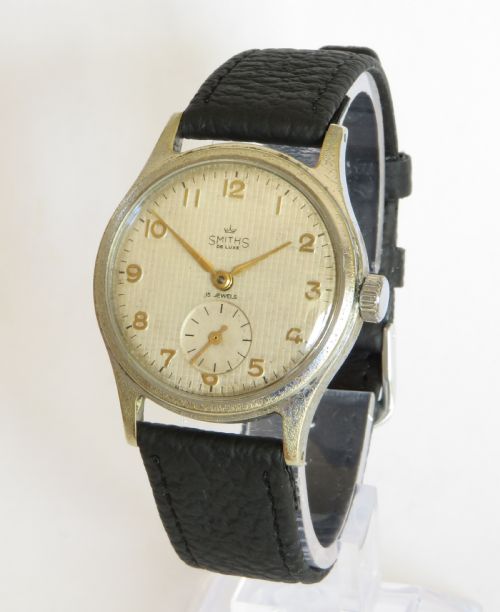
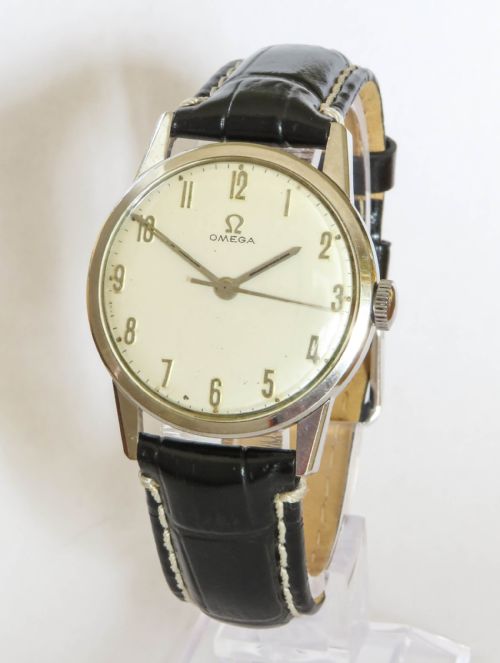
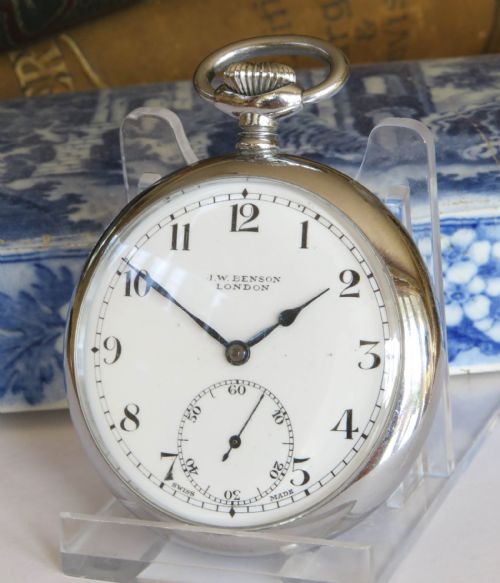
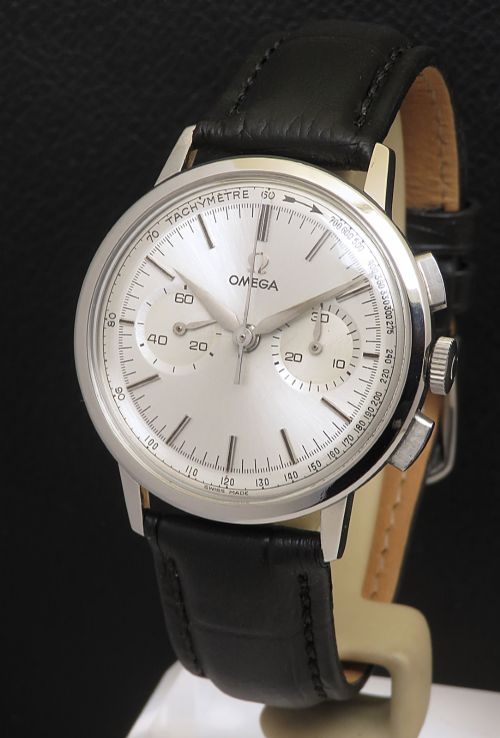
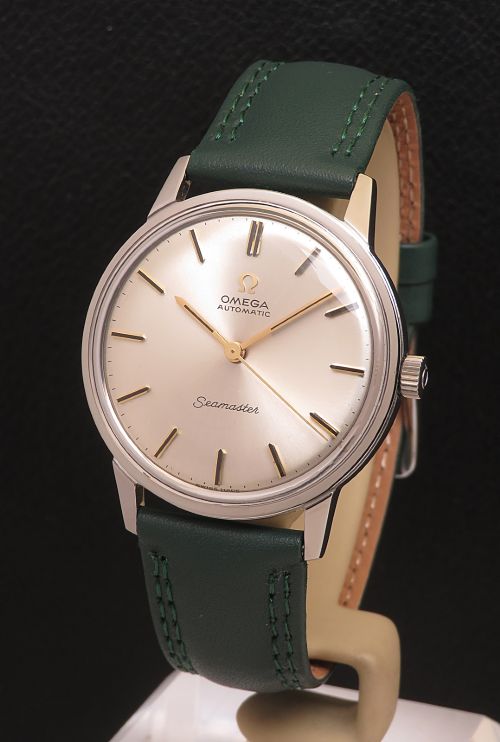
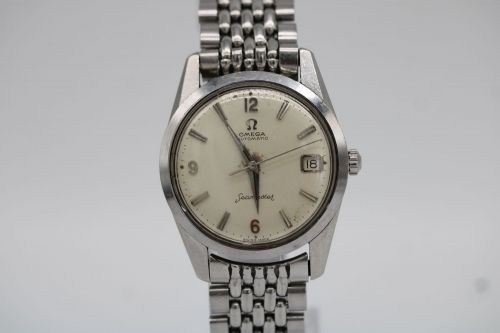
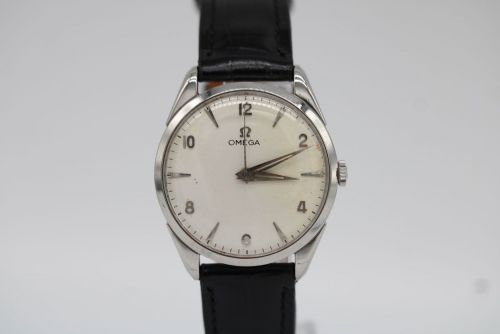
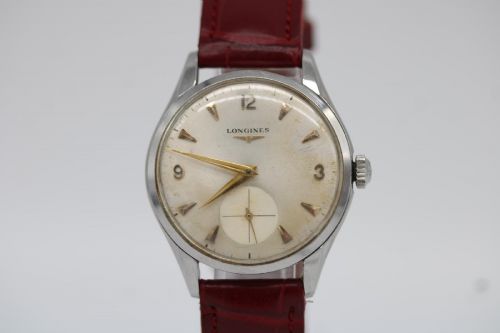
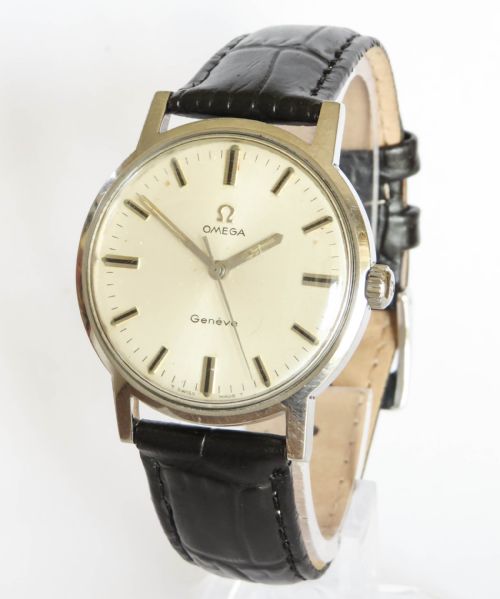
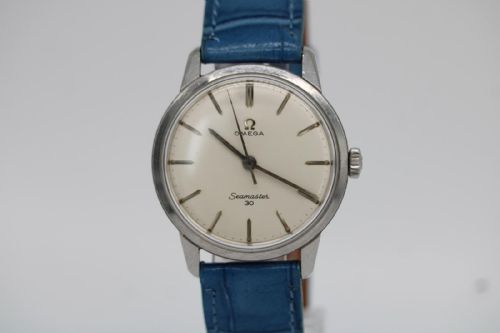
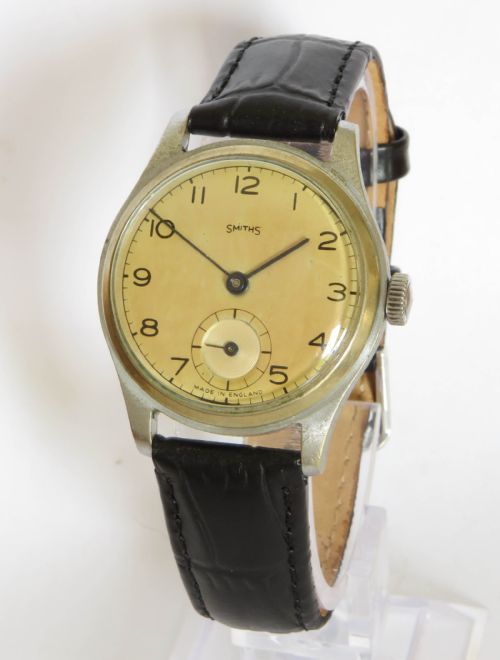
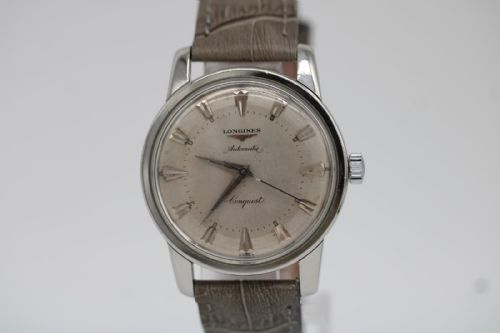
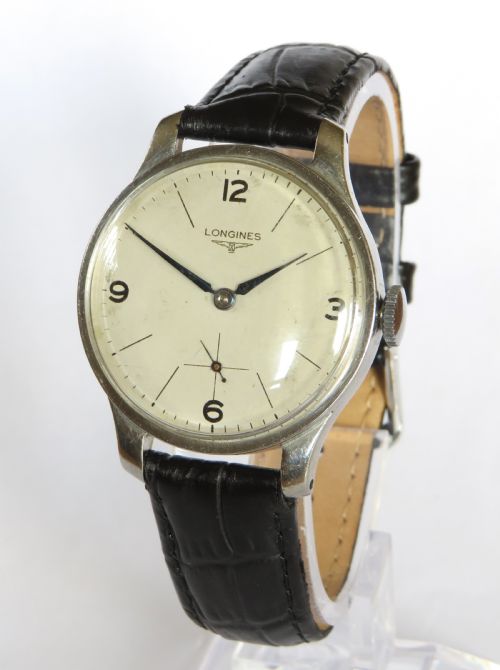
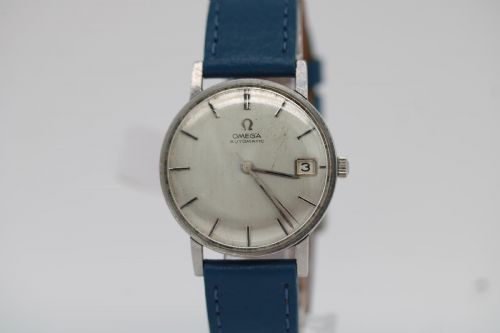
A classic silver dial watch is primarily represented here by wristwatches and pocket watches originating from the 1940s, 1950s, and 1960s. These timepieces embody mid-century modern, Art Deco, and vintage aesthetics through clean layouts and metallic face finishes.
The most common examples you will encounter on this page are gents wristwatches featuring manual wind or automatic movements. Names such as Omega, Longines, Smiths, and Tudor dominate the offerings, spanning British, Swiss, and French origins.
Formats vary from standard round steel cases to larger jumbo variants and shaped Art Deco designs. Leather straps, original buckles, and stainless steel or chrome plate housings complete the typical configuration of these pieces.
Materials and construction
Cases are constructed from durable materials including stainless steel, chrome plate, 18ct white gold, and chrome. Acrylic or glass crystals protect the dials, while leather is utilised for the straps.
Internal mechanisms rely on mechanical engineering, utilising manual wind or automatic calibres. Dial surfaces feature metallic finishes, sometimes accompanied by enamel details or patinated ageing.
Classic Silver Dial Watch Retail Price Guide 2026
Typical asking prices for classic silver dial watch among the pieces listed under this phrase on Sellingantiques today, from the lower quarter to the upper quarter. They describe what is for sale here now, not the wider market.
Many of these tiny mechanical marvels have been quietly ticking away inside pockets and on wrists for over eighty years.
Separating top tiers from standard examples
Quality variation rests upon the preservation of original components, such as signed dials, correct crowns, and matching straps or buckles. Pieces retaining their factory finishes and documented service histories command greater regard among collectors.
The refinement of the movement calibre and the precision of the case metalwork also define the hierarchy. Solid gold housings or chronograph complications elevate specific examples above standard utility timepieces.
Omega·Vertex·J W Benson·Smiths·Longines·Rolex·Rotary·Marvin·Eterna·Girard Perregaux·Tudor
The Classic Silver Dial Watch Glossary
- Calibre
- The specific internal movement design and model number created by a watch manufacturer. This designation identifies the exact mechanical engine housed inside the case.
- Manual wind
- A mechanical movement that requires the wearer to manually turn the crown to tension the mainspring. This traditional winding method is common in vintage pieces.
- Automatic
- A self-winding mechanical movement that uses a weighted rotor to tension the mainspring using the natural motion of the wrist. It removes the need for daily manual winding.
- Patinated dial
- An aged watch face that has developed natural discoloration, spotting, or textural changes over time. Collectors often appreciate this honest sign of historical ageing.
- Jumbo case
- An oversized watch case for its respective era, offering a more substantial wrist presence than standard period diameters. These wider proportions are highly sought after by modern buyers.
Classic Silver Dial Watch: Frequently Asked Questions
How do I wind a manual watch?
Rotate the crown clockwise between your thumb and forefinger until you feel gentle resistance. Stop immediately to avoid damaging the internal mainspring.
Wind the piece at roughly the same time each day to maintain consistent timekeeping performance.
Are these vintage watches waterproof?
Vintage timepieces lack modern rubber gaskets and screw-down sealing technology. Exposure to moisture, rain, or humidity can easily ruin the delicate internal movement.
Keep these pieces entirely away from water and remove them before washing your hands or swimming.
What does mechanical movement mean?
A mechanical movement relies entirely on springs, gears, and levers rather than a battery or electronic circuit. Power is stored in the mainspring and released in measured increments through the escapement.
This traditional craft represents centuries of watchmaking heritage.
How can I tell the decade of a watch?
Stylistic cues such as font choices, case proportions, lug designs, and hand shapes point toward specific decades. Mid-century pieces often display minimalist markers or distinct Art Deco geometry.
Internal movement serial numbers can also be referenced against manufacturer production dates.