




Classic Sculpture
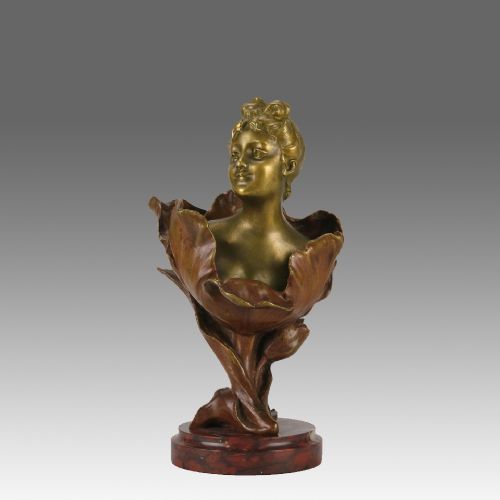
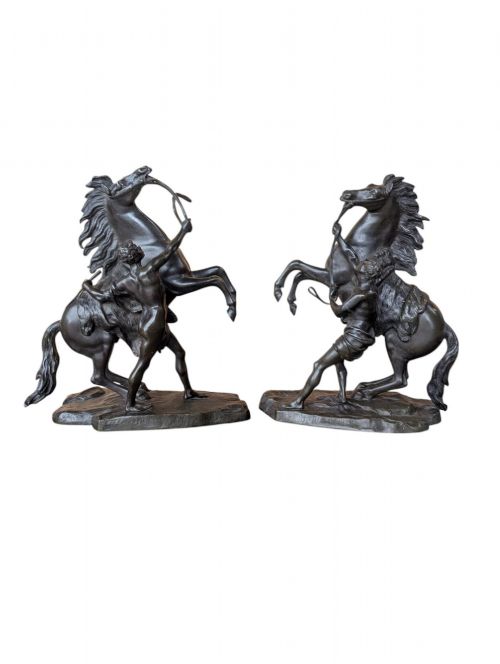
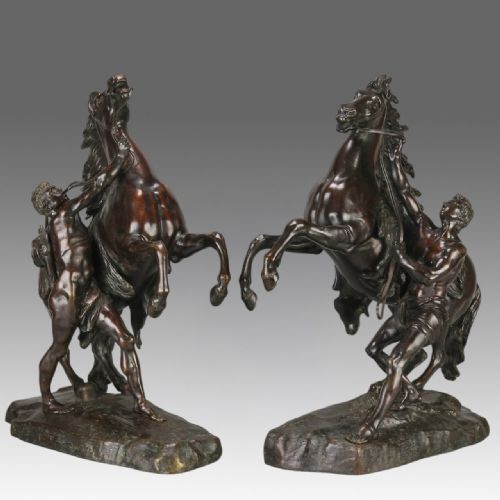
Classic sculpture brings together bronze figures, marble busts and carved alabaster pieces spanning the nineteenth and twentieth centuries.
Classic Sculpture
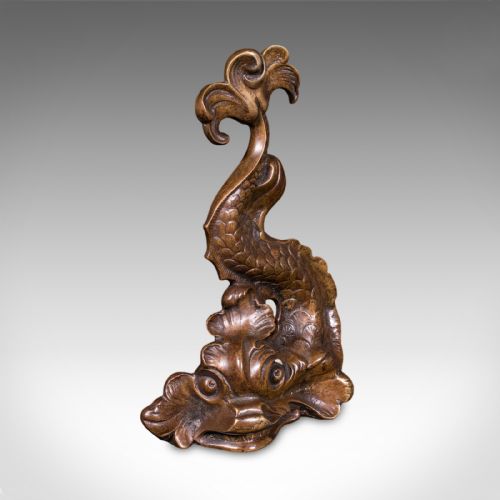
Classic sculpture encompasses portrait busts, animal studies and full figures made in bronze, marble, alabaster and terracotta. When searching for classic sculpture, buyers encounter Victorian animal groups, Regency doorstops and Art Deco figures alongside Grand Tour souvenirs.
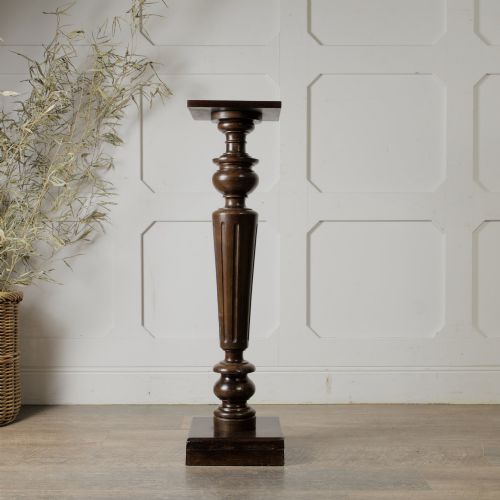
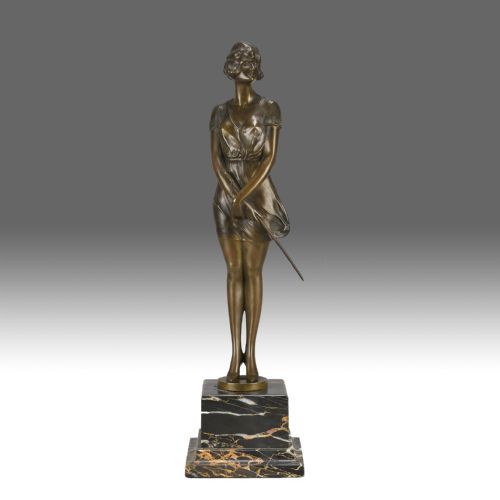
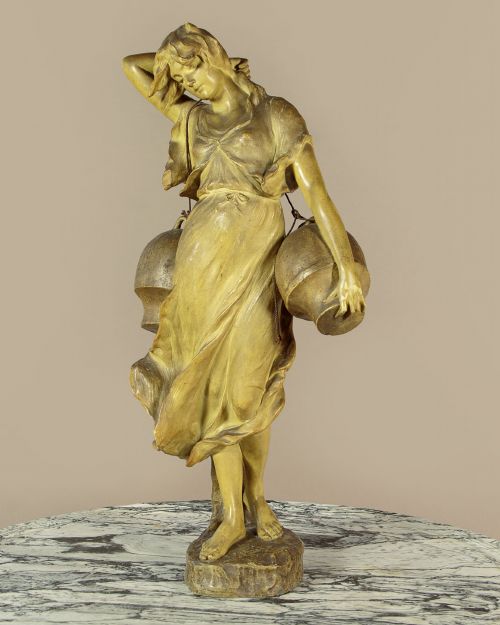
The selection here draws heavily on nineteenth-century French and Italian works, together with early twentieth-century Art Deco pieces. Figures range from small desk models and car mascots to large water carrier figures and pedestals.
How they were made
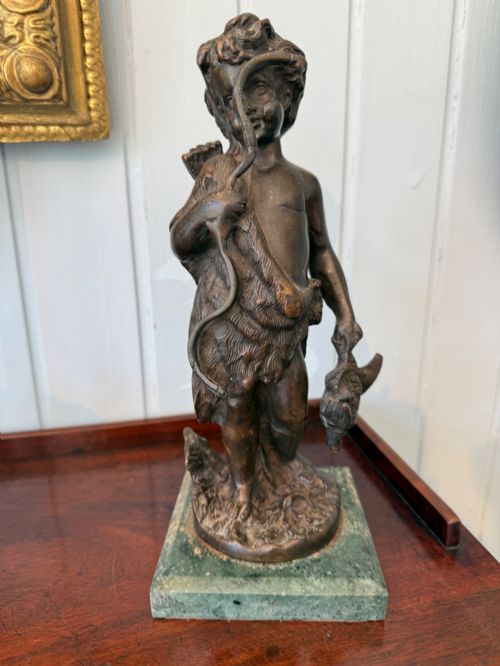
Metal pieces utilise lost-wax bronze casting, often finished with gilt or patination, and occasionally combined with carved marble plinths. Foundries such as Barbedienne produced works that captured fine surface details.
Classic Sculpture Retail Price Guide 2026
Typical asking prices for classic sculpture among the pieces listed under this phrase on Sellingantiques today, from the lower quarter to the upper quarter. They describe what is for sale here now, not the wider market.
Periods represented include Victorian, Regency, Edwardian, Neoclassical, Art Nouveau and Art Deco.
What varies in quality
In marble and alabaster pieces, finesse in the handling of anatomy and the purity of the stone distinguish finer studio works from simpler decorative items.
Jean de Roncourt·Pierre Collinet·Bruno Zach·Henri Godet·Goldscheider·Auguste Nicholas Cain·Ferdinand Preiss·Royal Dux·Louis Lejeune·Georges Morin·Ferdinando Vichi·Royal Worcester·Al Barye·Barbedienne
The Classic Sculpture Glossary
- Patina
- The surface sheen and coloration developed on bronze over time or through chemical treatment. It adds depth to the metal surface.
- Grand Tour
- Souvenirs brought back by nineteenth-century travellers visiting classical sites in Italy. These include small bronzes and carved stone figures.
- Lost-wax
- A casting method where a wax model is melted out and replaced with molten bronze. This technique allows for intricate detail.
- Plinth
- A heavy base or pedestal supporting a bust or figure. Materials include black marble, wood and simulated stone.
Classic Sculpture: Frequently Asked Questions
How do I display a marble bust?
Place heavy stone busts on sturdy wooden plinths or dedicated columns at eye level to ensure stability and proper viewing.
Keep them away from direct heat sources and sunlight to protect the natural stone from thermal shock and discoloration.
What is an Art Deco car mascot?
Car mascots are small metal sculptures mounted on the radiator caps of luxury automobiles during the early twentieth century.
Artists such as Ferdinand Preiss and Louis Lejeune designed dynamic animal and human figures specifically for this automotive purpose.
How do I clean a bronze figure?
Dust bronze sculptures gently with a soft, dry brush to remove surface particles without disturbing the underlying patination.
Avoid using water, chemical cleaners or abrasive cloths, which can strip away the historic finish and damage the metal.
What are Grand Tour sculptures?
Grand Tour pieces are nineteenth-century reductions of classical monuments and famous statues purchased by wealthy travellers in Italy.
They serve as miniature representations of antiquity, typically cast in bronze or carved from marble and alabaster.