



Classic Regency Furniture
Classic regency furniture brings refined proportion and rich timber to a room, offering the architectural clarity that defines the early nineteenth century.
Classic Regency Furniture
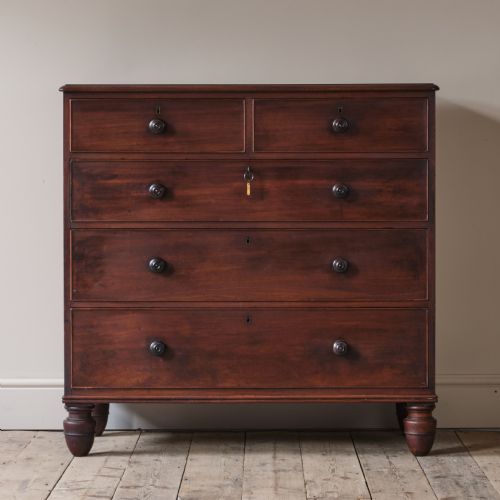
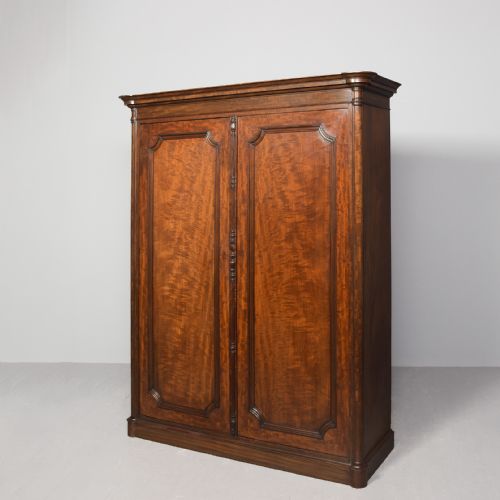
When you search for classic regency furniture, you are looking at items designed during the Regency period alongside later revivals from the nineteenth and twentieth centuries. The selection on this page centres on practical household forms, dominated by chests of drawers, side tables, and dining furniture.
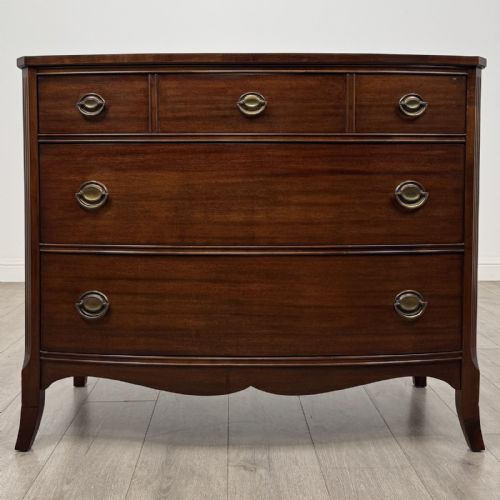
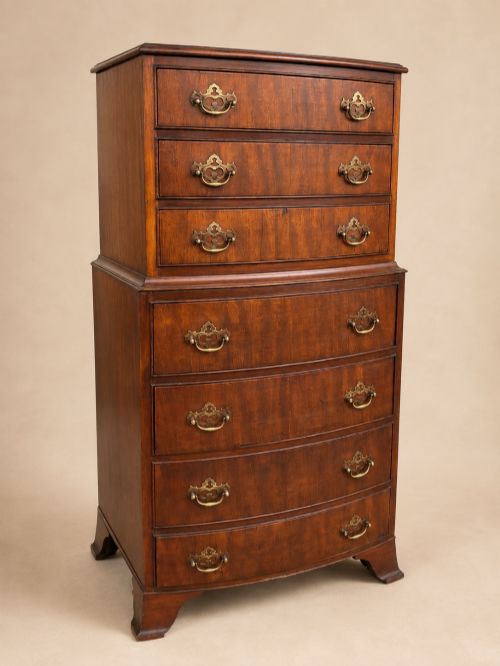
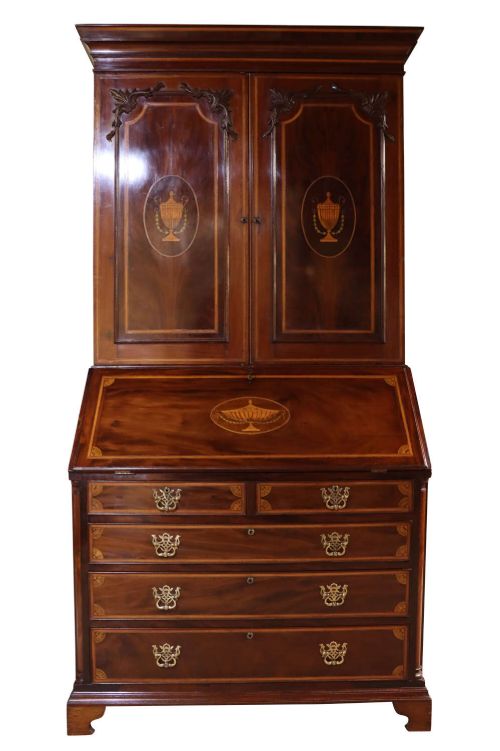
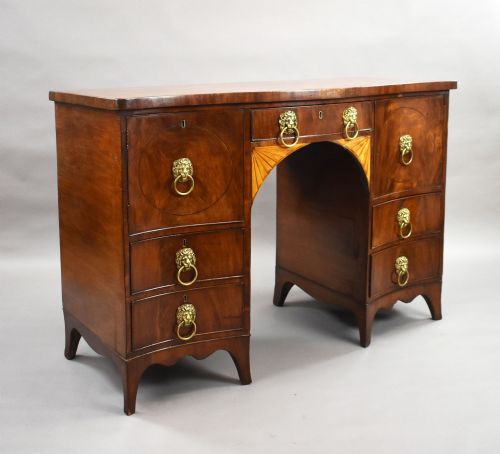
You are most likely to meet mahogany pieces, ranging from straightforward bow front chests to tables with brass inlay and delicate boxwood stringing. While core Regency examples sit alongside William IV items and Regency Revival pieces from the nineteen twenties and thirties, the aesthetic remains disciplined and balanced.
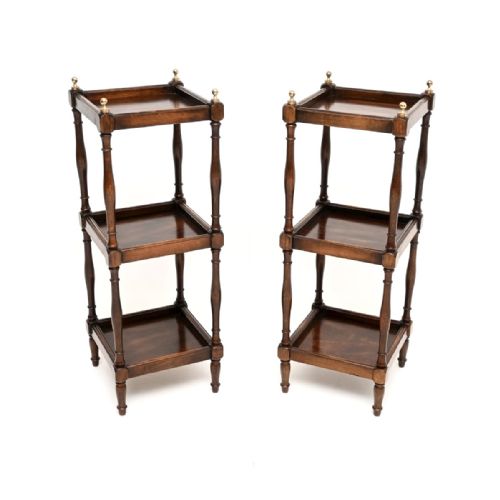
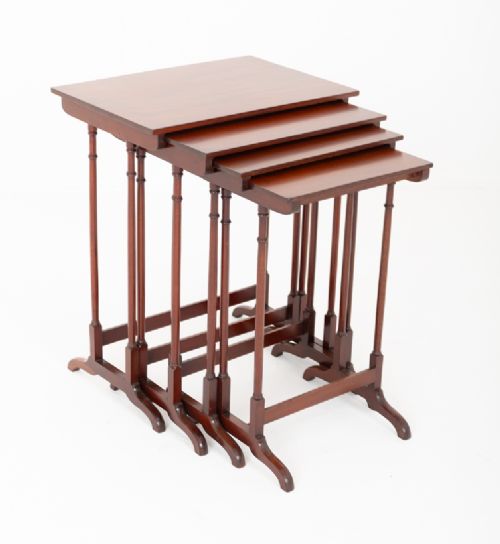
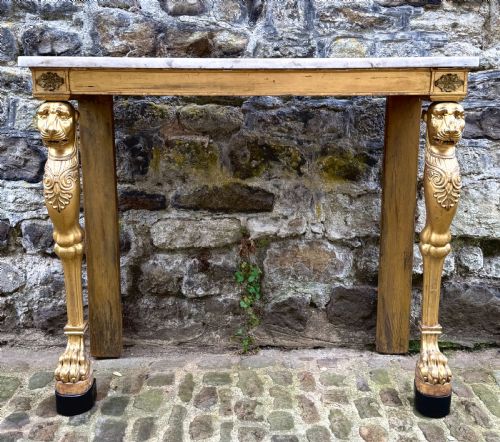
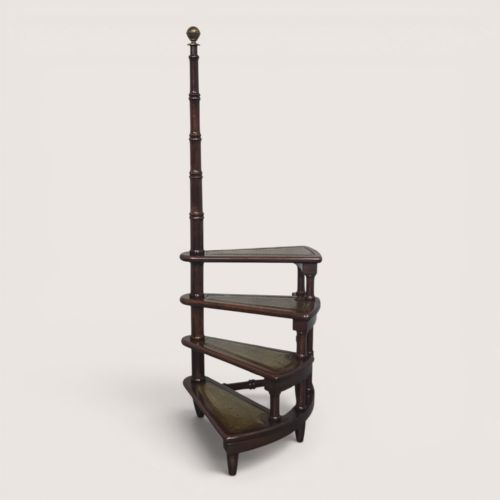
The forms extend to library steps, console tables, and nests of tables, showing how cabinet makers adapted classical architectural motifs for domestic interiors. These items bring distinct period character without overwhelming a modern room.
Materials and construction
Makers relied heavily on mahogany, often selecting flame mahogany veneers for drawer fronts to create striking grain patterns that catch the light. Rosewood and boxwood crossbanding added contrast, while giltwood highlighted the carved details on console tables.
Brass was utilised extensively for handles, inlay lines, and structural mounts, securing both decorative contrast and functional durability. Leather inserts appeared on desk surfaces, while marble provided durable tops for side and console tables.
Joinery techniques prioritised clean lines and stable carcases, allowing timber movement while maintaining the crisp geometric profiles demanded by the neoclassical style.
Classic Regency Furniture Retail Price Guide 2026
Typical asking prices for classic regency furniture among the pieces listed under this phrase on Sellingantiques today, from the lower quarter to the upper quarter. They describe what is for sale here now, not the wider market.
Listings feature mahogany, brass, boxwood, giltwood, and marble across periods spanning the Georgian era, the Regency, and later revivals.
Assessing quality and execution
The top of the range is distinguished by the selection of timbers, where uniform grain and careful matching of flame mahogany veneers show deliberate planning by the maker. Lesser pieces employ plain secondary woods or simpler cuts of mahogany with less attention to surface continuity.
Execution of brass inlay and stringing separates finer workshops from standard production. Sharp, precise routing around corners and flush placement indicate skilled labour, whereas crude gaps or uneven depths suggest hurried assembly.
Proportion and restraint define the better examples, where classical details enhance the form rather than crowding it. Overly heavy carcases or clumsy carving betray a weaker interpretation of the style.
T and G Seddon·S and H Jewell·James Mein·Gillows of Lancaster
The Classic Regency Furniture Glossary
- Bow front
- A convex curved front, commonly found on chests of drawers from the period. This shape softens the room while increasing internal storage volume.
- Crossbanding
- A strip of veneer applied across the grain of the primary surface, often in rosewood or boxwood. It creates a neat framing border on tabletops and drawer fronts.
- Giltwood
- Wood that has been coated with gold leaf or a gold-coloured finish. It accentuates carved architectural details on tables and mirrors.
- Flame mahogany
- Timber cut from the fork of the mahogany tree, displaying a flickering, flamelike grain pattern. Cabinet makers reserved this veneer for prominent display surfaces.
- Canterbury
- A low stand with partitions for sheet music or folios, usually featuring slatted sides and small legs on castors. Regency examples often display fine joinery and turning.
Classic Regency Furniture: Frequently Asked Questions
How do I spot a true Regency piece?
Look for timber selection, construction methods, and hardware consistent with the early nineteenth century. Secondary woods and traditional joinery give clear clues to an item's age.
Compare the proportions and decorative details against known examples from the period. Revival pieces often use machine-cut elements that differ from hand-finished originals.
Where were these pieces used?
They furnished the principal reception rooms, libraries, and bedrooms of substantial homes. Sideboards belonged in dining rooms, while console tables and Pembroke tables sat in hallways and parlours.
Library steps and nests of tables served specific functional needs in studies and drawing rooms. Their adaptable sizes allowed them to integrate smoothly into varied domestic layouts.
How do I care for mahogany surfaces?
Keep timber away from direct sunlight and strong heat sources to prevent the wood from drying out and splitting. Dust regularly with a soft, dry cloth to protect the polished finish.
Apply a traditional beeswax polish sparingly when the wood appears dry. Avoid silicone-based sprays, which can damage the old polish over time.
What is Regency Revival furniture?
Regency Revival items were manufactured later, notably during the Victorian era and the nineteen twenties and thirties. They copied the forms, timbers, and classical motifs of the original period.
These pieces offer the aesthetic appeal of Regency design while fitting into twentieth-century production standards. Construction marks and secondary timbers usually distinguish them from older originals.