





Classic Reading Table
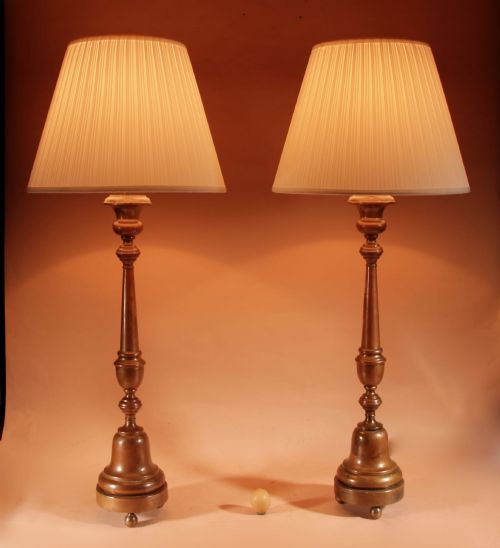
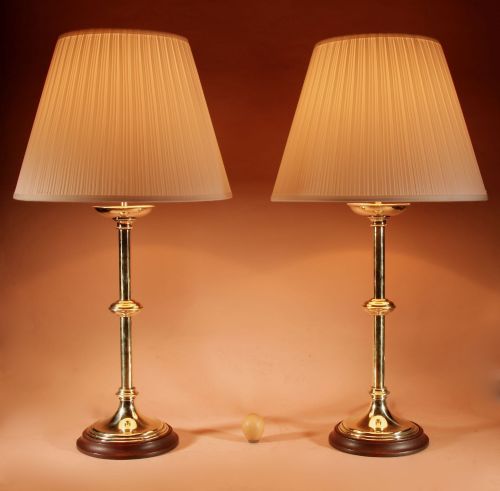
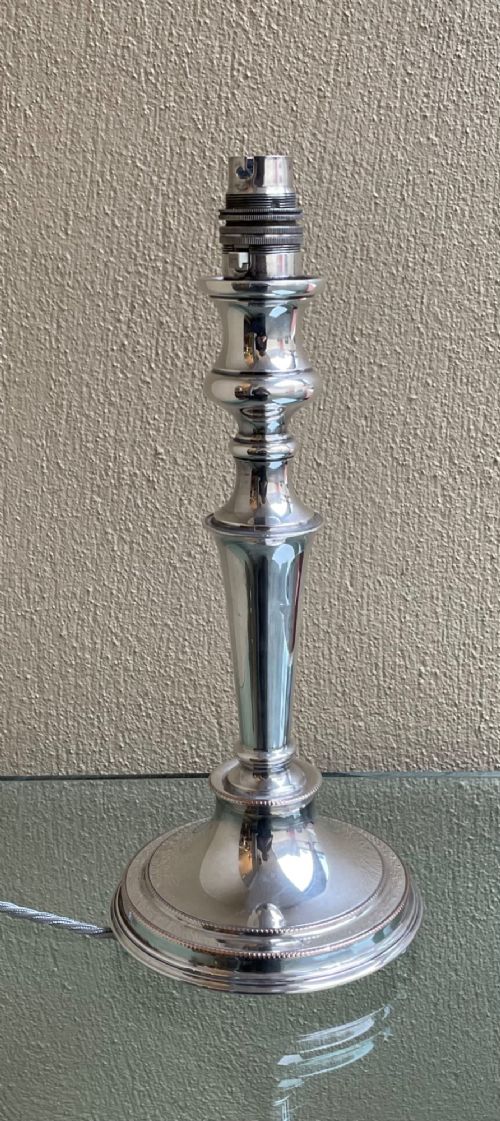
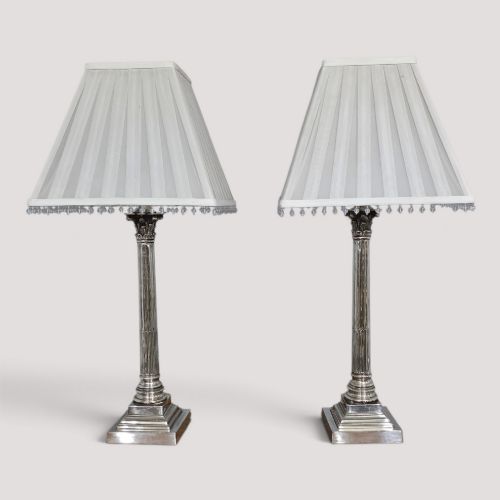
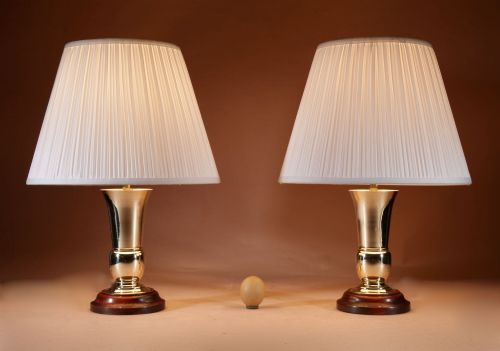
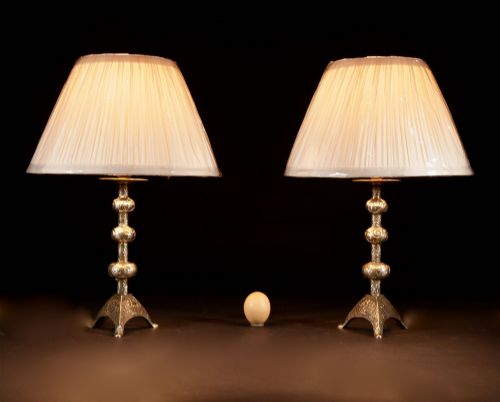
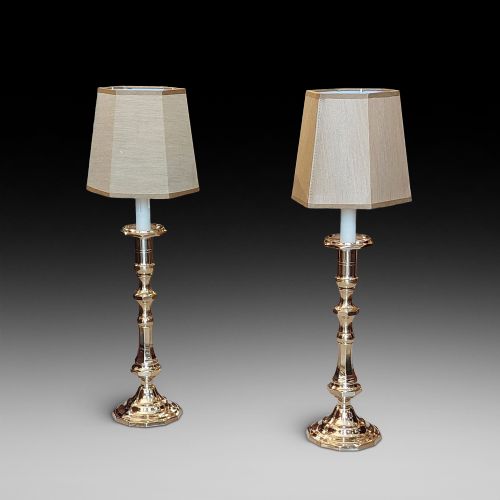
These classic reading table pieces offer functional illumination, spanning Victorian brass columns and Edwardian silver plate to illuminate desks.
Classic Reading Table
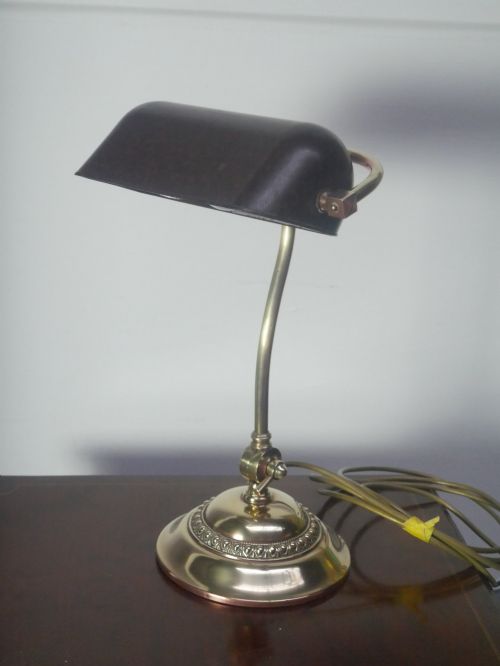
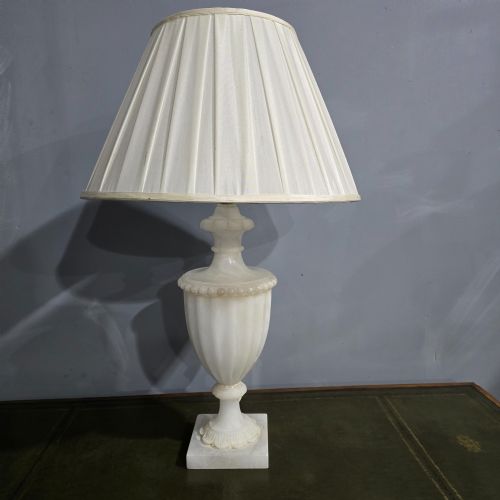
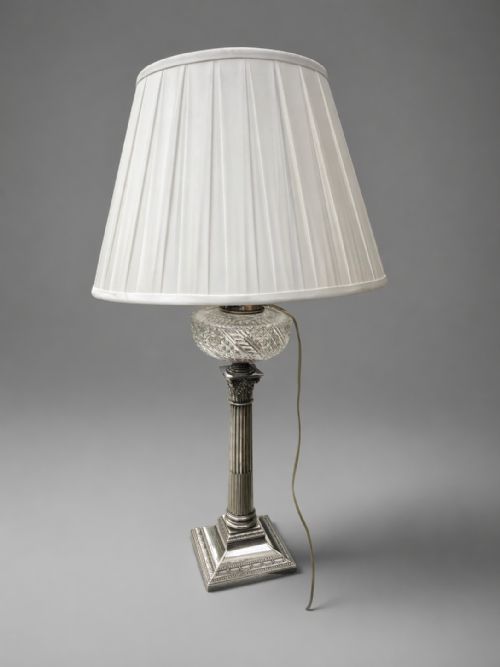
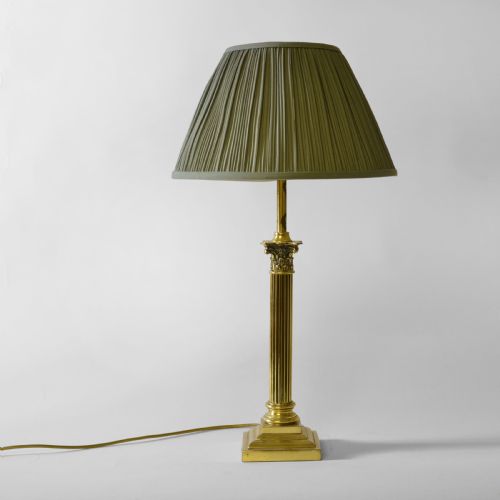
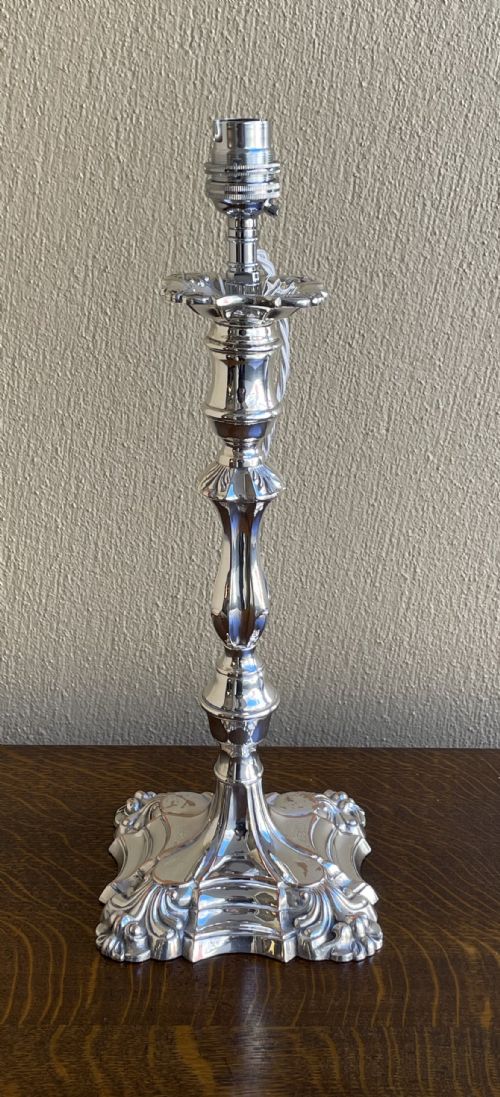
Buyers encounter Victorian brass columns, Edwardian silver plated fixtures, and toleware bouillotte designs. Pieces range from adjustable bankers desk lamps to columnar table lamps mounted on porcelain de Paris and alabaster.
Origins stretch from traditional English workshops to French makers. The forms adapt period aesthetics, including early Gothic, Romanesque, Neoclassical revival, and Art Deco styles, to practical illumination.
Materials and construction
Metalwork dominates the construction, utilising solid brass, cast brass, pressed brass, and silver plate. Many forms combine metal bases with fabric shades, silk, or painted toleware components.
Makers integrated ceramic and stone elements into the metallic frames. Alabaster, onyx, majolica, porcelain de biscuit, and opaline glass appear frequently alongside crystal and porcelain bases.
Adjustable mechanisms and multi-light configurations, such as triple bouillotte frames or dual chamber stick designs, demonstrate functional engineering built into period lighting.
Classic Reading Table Retail Price Guide 2026
Typical asking prices for classic reading table among the pieces listed under this phrase on Sellingantiques today, from the lower quarter to the upper quarter. They describe what is for sale here now, not the wider market.
Dual chamber sticks allowed nineteenth-century readers to double their illumination without lighting a second entire candle.
Assessing quality
Quality rests upon the weight and purity of the metalwork, distinguishing heavy cast brass and solid brass components from lighter pressed alternatives. Finer examples display crisp detail in Corinthian capitals and neoclassical columns.
The integration of secondary materials dictates distinction. Superior pieces unite brass with genuine opaline glass, hand-painted toleware, or fine porcelain de Paris rather than simpler utilitarian assemblies.
Original mechanics, such as adjustable stems and intact silver plating, elevate a piece above standard production. The coherence of period style, from early Gothic to Art Deco proportions, marks the better specimens.
Faraday and Sons
The Classic Reading Table Glossary
- Bouillotte lamp
- A traditional French desk or table lamp featuring a central standard, adjustable shade, and multiple candle arms. They typically combine brass and painted toleware.
- Pullman lamp
- A specialised reading light often associated with railway carriage fittings, featuring an adjustable arm or shade for directed illumination. Faraday and Sons produced notable examples.
- Opaline glass
- An opaque or translucent glass, often white or pale green, popular in Victorian lighting for diffusing light softly. It appears frequently on column and bouillotte lamps.
- Toleware
- Painted or lacquered metalware, frequently utilised for shades on French desk lamps. The finish provides durable colour alongside brass mounts.
Classic Reading Table: Frequently Asked Questions
What defines a classic reading table lamp?
These pieces comprise adjustable desk lamps, bankers lamps, and bouillotte lights designed for focused task illumination. They utilise metals, glass, and ceramics to combine utility with period decoration.
Most examples date from the Victorian, Edwardian, and early twentieth-century periods. Their forms reflect traditional English and continental design influences.
How do I identify a Victorian brass lamp?
Victorian examples often feature heavy cast brass, corinthian columns, or candlestick formats. They frequently show patination consistent with nineteenth-century manufacture.
Detailing draws on classical revival motifs, differing from the sleeker lines of later Art Deco or 1930s pieces found in the listings.
Were these lamps used for reading?
Desk lamps and bankers lamps served specifically to illuminate documents, ledgers, and books in offices and libraries. Adjustable stems and multi-arm setups directed light precisely where needed.
Bouillotte lamps fulfilled a similar function on writing tables and boudoirs across France and England.
What materials were commonly used?
Brass remains the predominant material, appearing in cast, pressed, and polished states alongside silver plate. Makers also incorporated alabaster, onyx, crystal, and porcelain de Paris.
Shades utilised painted toleware, opaline glass, silk, and fabric to soften the direct illumination provided by the bulbs or candles.