



Classic Patterned Rug
A classic patterned rug brings traditional weaving history into your interior, offering enduring designs in wool and cotton across room sizes and runners.
Classic Patterned Rug
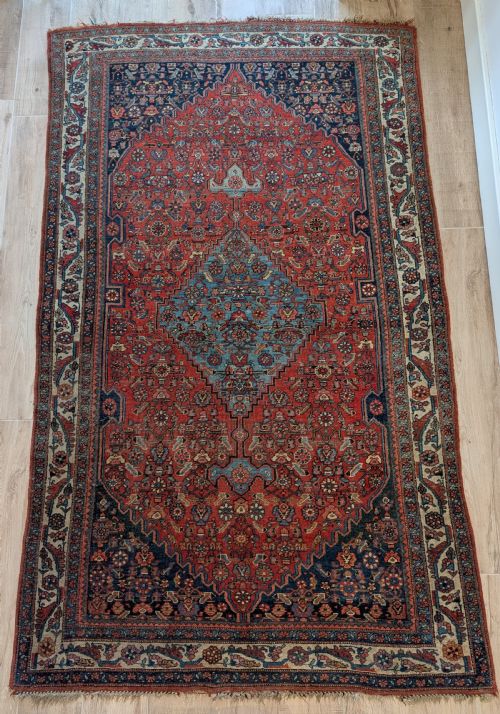
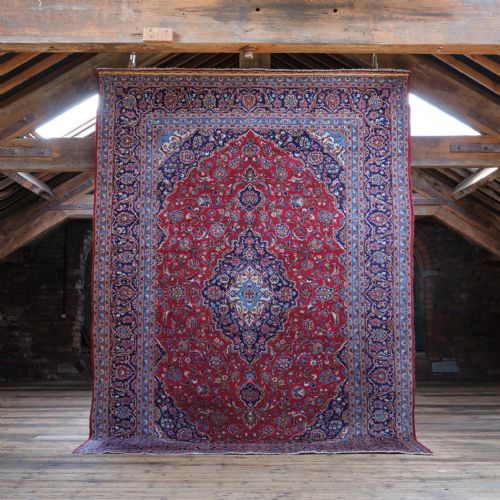
A classic patterned rug encompasses woven floor coverings originating from diverse regional traditions, spanning Persian, Turkmen, and Balkan styles. These pieces provide substantial scale and intricate motifs suitable for foundational room placement or extended hallway runners.
The selection on this page demonstrates production dates ranging from the Victorian era through the mid-twentieth century. Buyers encounter both room-sized carpets and smaller area formats executed in traditional wool and cotton materials.
Materials and construction methods
The pieces recorded in these listings rely principally upon wool and cotton as foundational construction materials. Artisans utilised hand-knotted techniques to build dense, durable floor coverings designed for heavy daily use.
Weavers incorporated complex regional dye traditions and structural weaves to achieve the patterned surfaces seen in these carpets. The interaction of wool pile and sturdy cotton foundations ensures both flexibility and structural integrity.
Classic Patterned Rug Retail Price Guide 2026
Typical asking prices for classic patterned rug among the pieces listed under this phrase on Sellingantiques today, from the lower quarter to the upper quarter. They describe what is for sale here now, not the wider market.
Even staircases demand elegance, as proven by the giant runner ready to cushion your steps.
Evaluating quality and execution
Quality in these textiles depends upon the precision of the hand-knotted execution and the density of the weave. Finer examples display greater clarity in traditional motifs and superior handling of regional wool supplies.
The sophistication of the design layout and the balance of the overall composition distinguish standard regional output from exceptional workshop productions. Structural preservation and the integrity of the original wool pile further define the tier of each piece.
The Classic Patterned Rug Glossary
- Hand-knotted
- A construction method where individual lengths of yarn are tied by hand to the warp threads of the foundation. This technique produces a durable pile characteristic of traditional rug production.
- Kilim
- A flat-woven carpet or rug produced without a pile, utilising slit-weave techniques to create sharp geometric patterns. These pieces offer a lighter alternative to piled carpets.
- Runner
- A long, narrow carpet format specifically proportioned for hallways, corridors, and staircases. They provide protective floor coverage in high-traffic linear spaces.
- Warp
- The stationary vertical threads stretched across a loom that form the structural skeleton of a woven rug. Wefts and knots are subsequently worked through these foundational lines.
- Pile
- The upright surface yarn of a rug formed by the cut or uncut ends of knots. The density and material of this layer dictate the texture and wear characteristics.
Classic Patterned Rug: Frequently Asked Questions
How do I care for an antique rug?
Regular gentle vacuuming without a rotating brush helps remove embedded dust from the wool pile. Professional cleaning suited for antique textiles preserves the natural fibres.
Minimising direct, prolonged sunlight exposure protects the traditional dyes from fading over time.
Where should I place a runner?
Runners suit narrow spaces such as hallways, entryways, and staircases where linear floor coverage is required. Their specific dimensions accommodate high-traffic thoroughfares.
Using an appropriate underlay prevents slipping and cushions the wool structure against hard floors.
How can I tell the age of a rug?
Dating relies upon stylistic markers, structural characteristics, and regional weaving traditions recorded across the pieces. Materials and construction methods offer clues to the period of manufacture.
Evidence points to examples spanning the late nineteenth century through the mid-twentieth century.