





Classic Pastoral Art
Classic pastoral art captures the quiet charm of rural life through painted scenes of rivers, fields, cattle, and shepherds.
Classic Pastoral Art
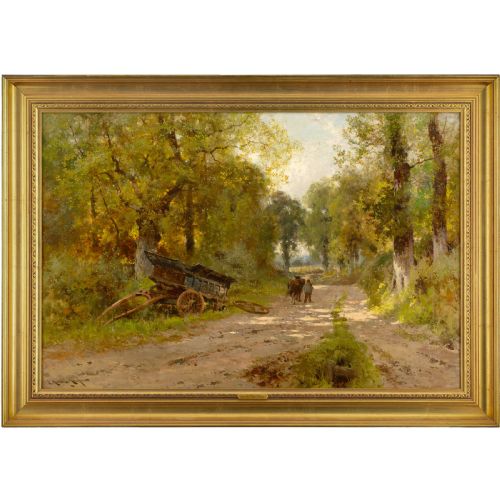
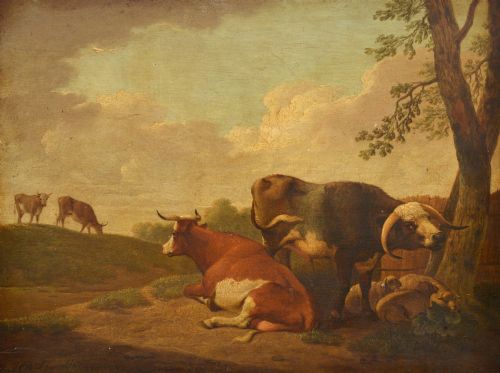
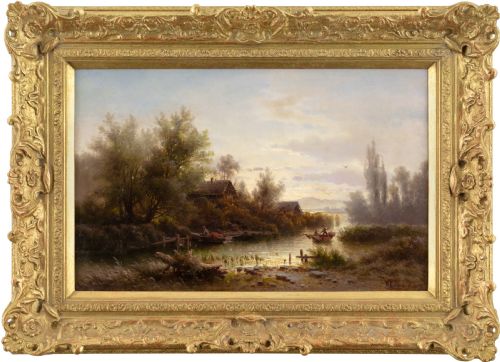
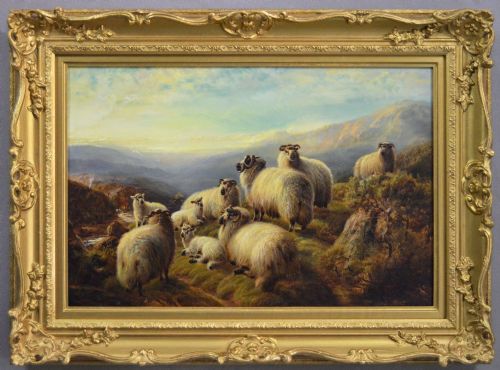
Classic pastoral art comprises oil paintings and watercolours depicting rural landscapes, agricultural scenes, and riverside views. These works capture countryside life across the eighteenth, nineteenth, and early twentieth centuries, reflecting changing British and European tastes for idyllic outdoor settings.
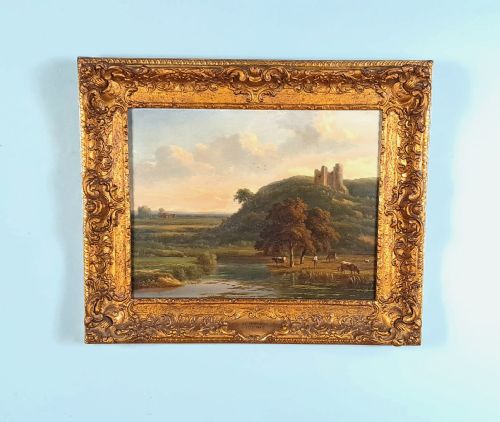
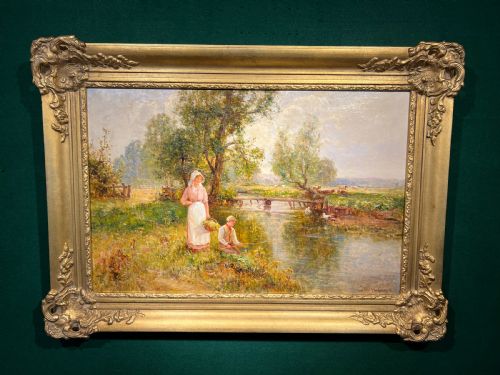
Buyers are most likely to encounter nineteenth century canvases featuring livestock such as sheep and cattle, framed in traditional giltwood. Common subjects include rivers, country lanes, and rustic figures gathered near village taverns or rural cottages.
The material record spans traditional stretched canvas, oil on board, and watercolour on paper, housed within timber or gilded frames. Signatures of named painters frequently appear alongside unsigned works attributed to regional English and continental schools.
How they were made
The physical works rely principally on oil paint applied to canvas or wood board, alongside watercolour pigments on paper supports. Artists built up their compositions using layered brushwork to render natural light, atmospheric skies, and detailed foliage.
Surviving pieces are typically housed within their original or period-appropriate wood and giltwood frames. The craftsmanship extends from the stretched canvas preparation to the intricate mouldings of the gilded decorative borders.
Classic Pastoral Art Retail Price Guide 2026
Typical asking prices for classic pastoral art among the pieces listed under this phrase on Sellingantiques today, from the lower quarter to the upper quarter. They describe what is for sale here now, not the wider market.
Giltwood frames frequently house these pastoral canvases, complementing landscape subjects ranging from Welsh valleys to riverside taverns.
What varies in quality
Quality in these pastoral scenes rests upon the artist's handling of light, perspective, and natural detail within the landscape. Works by established painters exhibit more sophisticated depth and confident brushwork than standard decorative school pieces.
The preservation of the original paint surface and the condition of the accompanying giltwood frame significantly influence the standing of an individual painting. Complete historical attribution and legible signatures further distinguish the finer examples from anonymous works.
John Horace Hooper·Hendrik Willem Schweickhardt·Albert Rieger·Robert Watson·T C Hofland·William Henry Mander·Walter J Watson·Benjamin Williams Leader·Peter Deakin·James L Brooke·Frederick J Knowles·Alfred Banner·Edward H Holder·William Stephen Coleman·A Davis·John Holland Snr·Sir David Murray·Peter de Wint
The Classic Pastoral Art Glossary
- Canvas
- A heavy woven fabric stretched across a wooden frame to serve as the foundation for oil paintings. It provides a durable and textured surface for layered pigment.
- Giltwood
- Wood carved and coated with a thin layer of gold leaf or metallic gilt. It forms the decorative ornamental frames common to period landscape paintings.
- Watercolour
- A painting method where pigment is suspended in a water-soluble binder applied to paper. This technique produces translucent washes of colour.
- Realism
- An artistic movement focusing on the accurate, unidealised depiction of everyday subjects and nature. In pastoral works, this appears in the truthful rendering of livestock and agricultural workers.
- Oil on board
- A painting execution where oil pigments are applied directly to a rigid wooden panel rather than flexible canvas. This support offers a firm surface for detailed brushwork.
Classic Pastoral Art: Frequently Asked Questions
What periods do these paintings cover?
The available works primarily span the eighteenth, nineteenth, and early twentieth centuries.
Most examples date from the Victorian era and the decades immediately following.
What subjects appear in these scenes?
Common subjects include river valleys, livestock such as sheep and cattle, and rural workers.
Artists frequently depicted Welsh and English countryside vistas alongside Italianate landscapes.
What materials were used by the artists?
Painters utilised oil on canvas, oil on board, and watercolour on paper.
Many pieces retain their original timber and giltwood frames.
How do I identify a named artist?
Signatures often appear in the lower corners of the canvas or paper support.
Attributions are also recorded in historical documentation and gallery records accompanying the pieces.