



Classic Overmantel
A classic overmantel sits above the hearth, designed to reflect light and anchor the room with scale.
Classic Overmantel
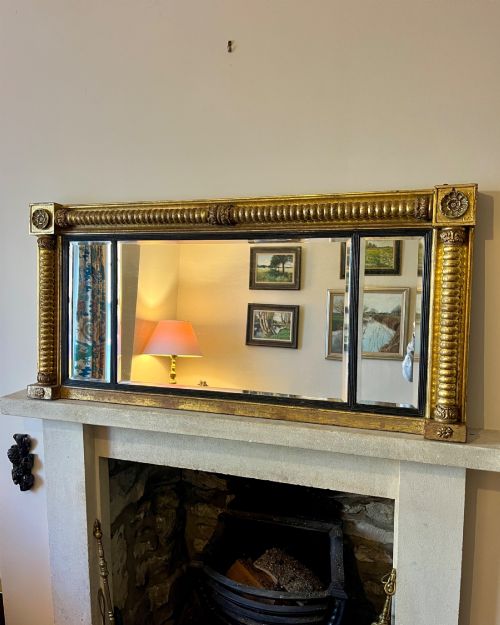
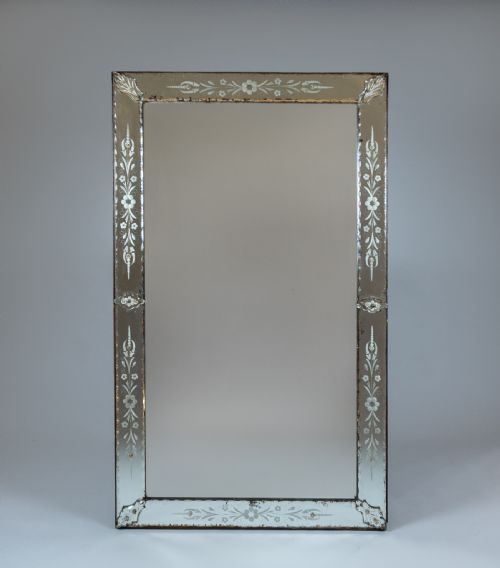
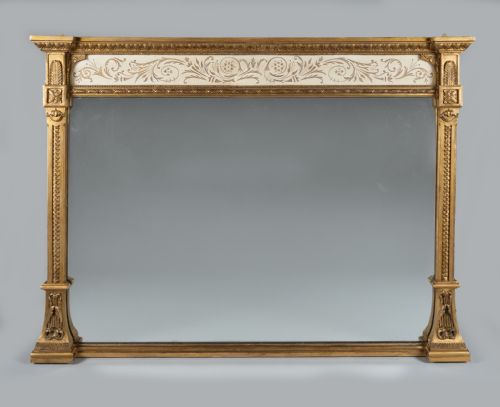
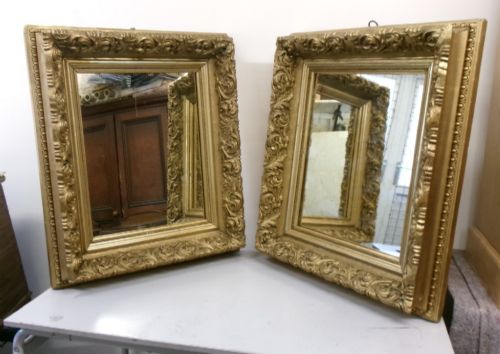
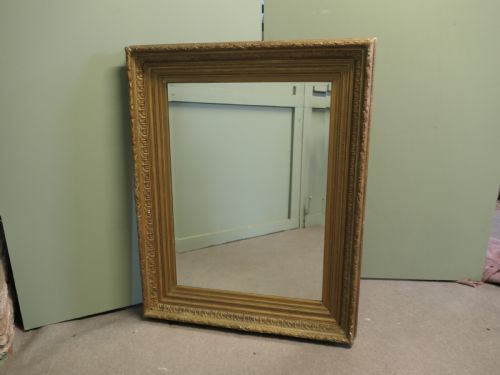
When you search for a classic overmantel, you are looking at large wall mirrors and chimneypieces designed to sit directly above a fireplace. The versions you are most likely to meet on this page span the eighteenth, nineteenth, and early twentieth centuries, originating from English and French workshops.
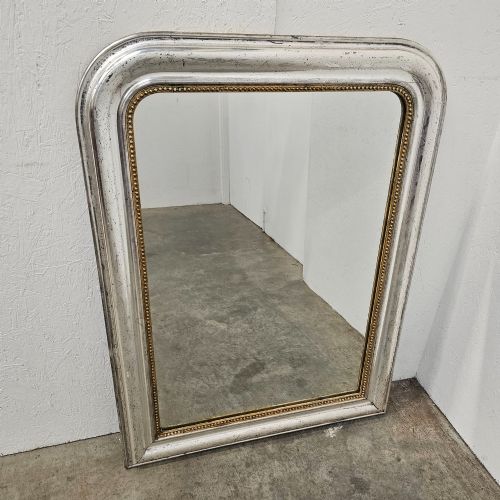
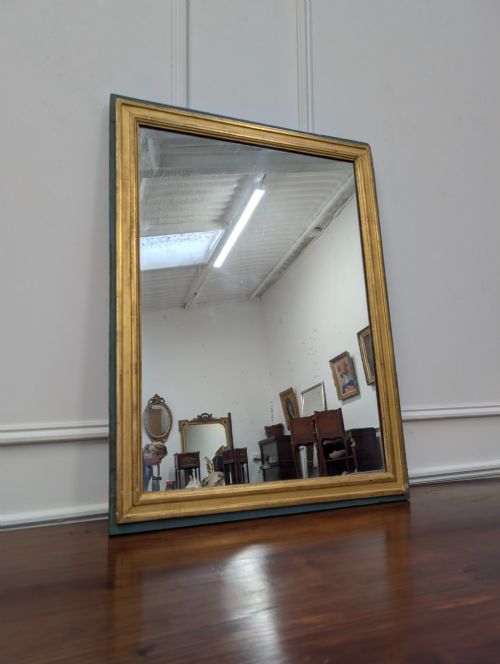
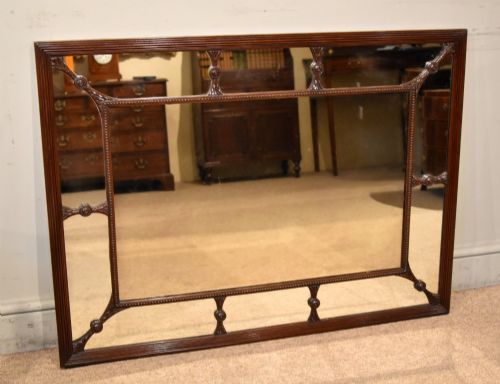
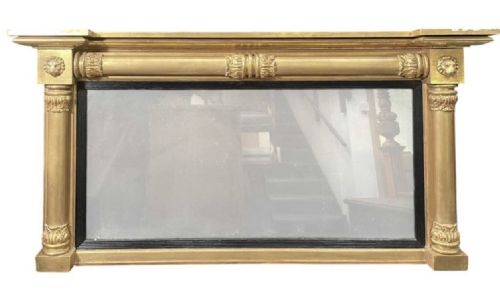
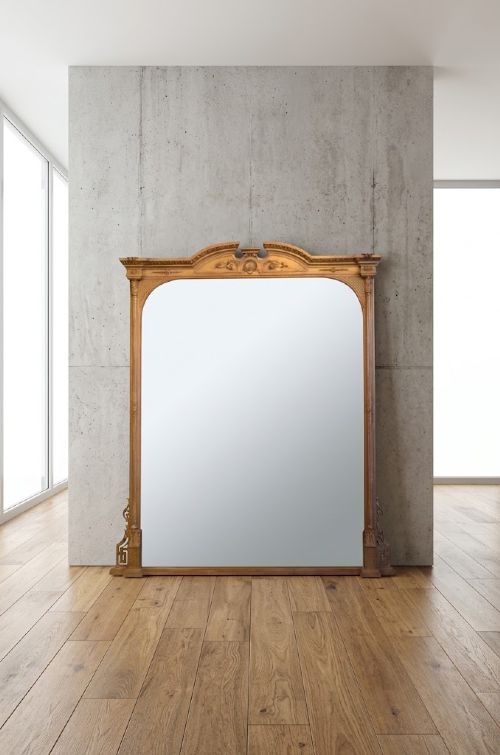
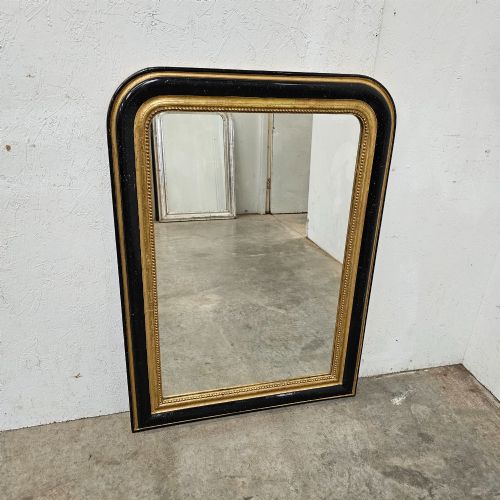
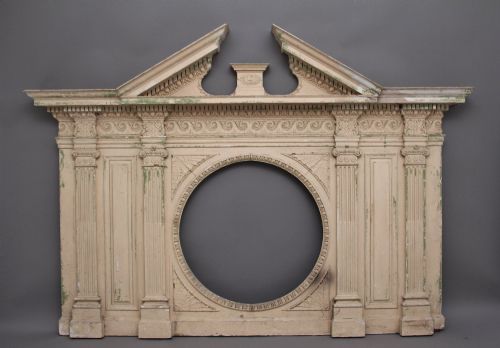
The forms vary from grand architectural architectural frames with column details to arched tops and simple painted pine structures. Many examples adopt continental tastes such as the Louis Philippe, Louis XVI, and Napoleon III styles.
These pieces function primarily to draw the eye upwards and brighten principal rooms. They capture the proportions of period domestic interiors while serving as decorative focal points.
How they were made
Makers constructed the foundational frames using solid timber such as pine and mahogany, often applying layers of gesso to build up decorative relief. Carved wood details provided structural depth before gilding or painting was applied.
Giltwood and parcel gilt finishes required delicate application of gold leaf over preparation layers. Composition ornament was frequently pressed into moulds and fixed to the wooden frames to achieve intricate surface decoration economically.
Classic Overmantel Retail Price Guide 2026
Typical asking prices for classic overmantel among the pieces listed under this phrase on Sellingantiques today, from the lower quarter to the upper quarter. They describe what is for sale here now, not the wider market.
What varies in quality
The distinction between tiers of work rests on the crispness of the carved ornament and the integrity of the original gesso. Superior examples display deeply undercut wooden carving rather than heavily moulded composition work.
The preservation of the original mercury glass or early plate silvering influences the character of the piece. Subtlety in the proportion of the frame to the glass plate marks the distinction between standard production and exceptional craftsmanship.
Sir Edwin Lutyens
The Classic Overmantel Glossary
- Overmantel
- A mirror or decorative piece specifically proportioned to hang on the wall above a fireplace mantelpiece. These items were traditionally designed to coordinate with the architectural style of the chimneypiece below them.
- Gesso
- A plaster-like mixture applied to wood frames as a smooth base for gilding or painting. Skilled artisans built up this substance to carve intricate relief patterns directly onto the surface.
- Giltwood
- Timber that has been coated with gold leaf or gold paint for a decorative metallic finish. This material reflects candlelight and daylight effectively in formal reception rooms.
- Parcel gilt
- A finishing technique where only specific raised portions of a frame are highlighted with gold leaf while the rest remains painted or polished wood. This creates contrast and emphasises the carved details.
- Pier glass
- A tall mirror designed to hang on the wall between two windows. These tall glasses share construction methods and period aesthetics with large mantel mirrors.
Classic Overmantel: Frequently Asked Questions
Where should an overmantel be hung?
These mirrors traditionally anchor the space directly above the fireplace surround in a principal room, drawing the eye upward and reflecting light across the interior.
They also function effectively on large blank walls where their architectural scale can be appreciated without competing with a hearth.
How do I identify a Victorian overmantel?
Victorian examples often feature heavy proportions, arched tops, and rich giltwood frames influenced by Italianate or classical tastes.
Makers of this era frequently utilised moulded composition ornament alongside carved wood to achieve substantial decorative impact.
What is the difference between French and English styles?
French mirrors from periods like Louis Philippe or Napoleon III tend to feature softer rectilinear or arched shapes with restrained crestings and subtle gesso work.
English equivalents of the nineteenth century often display bolder architectural elements, such as column frames or heavier carved wooden mouldings.
Can these mirrors be cleaned safely?
Dusting the frames gently with a dry, soft brush preserves fragile gesso and delicate giltwood surfaces without disturbing historic finishes.
Glass plates require careful wiping with a minimal amount of appropriate cleaner, taking care to avoid dampening the exposed wooden edges at the back.