
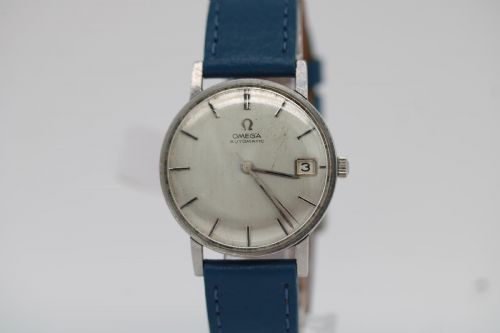
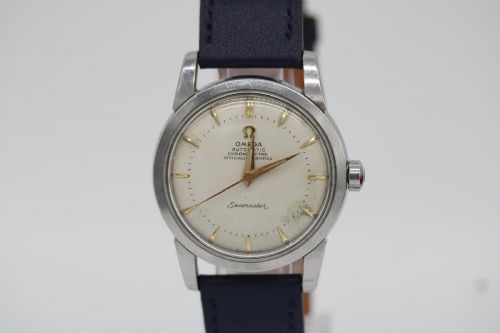
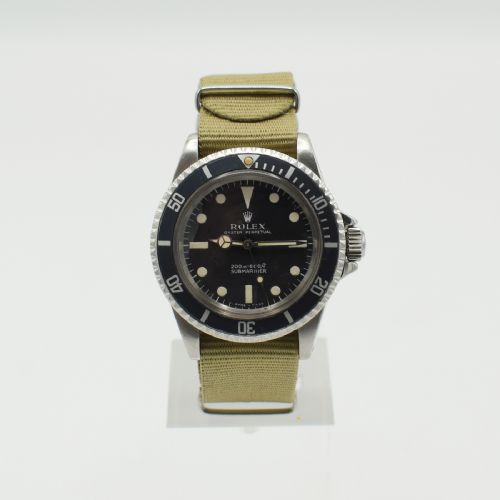


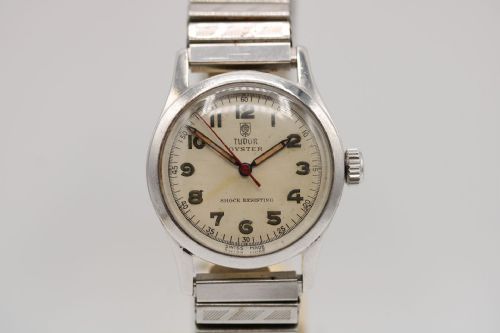
Classic Luxury Wrist Watch
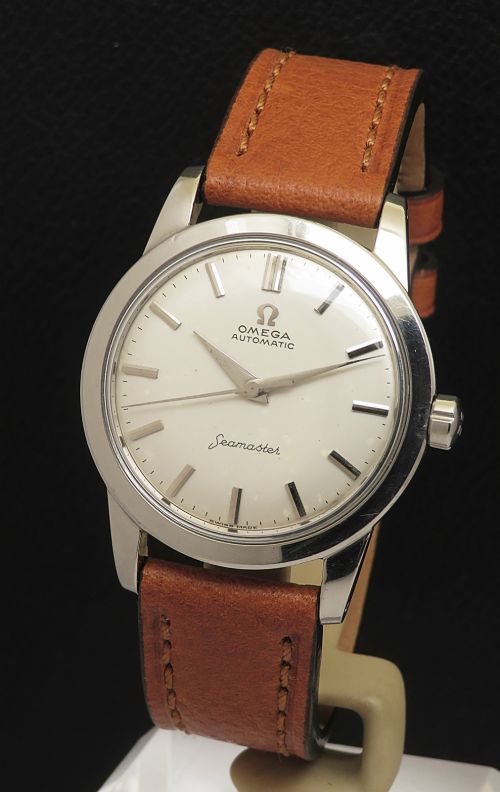
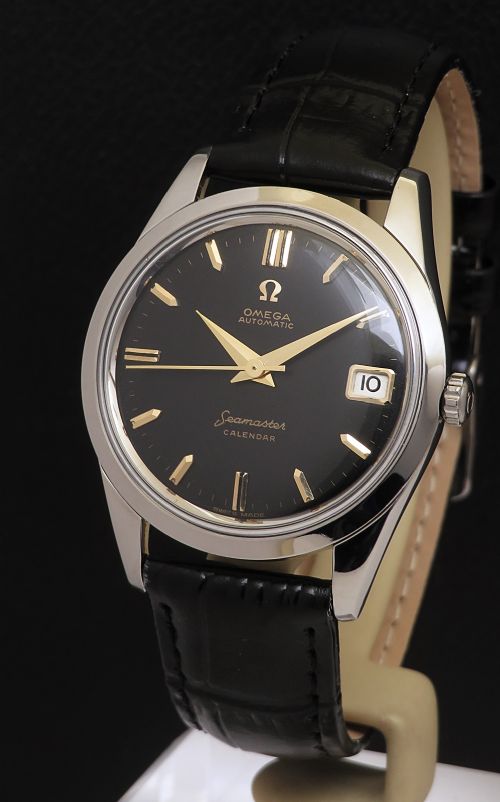
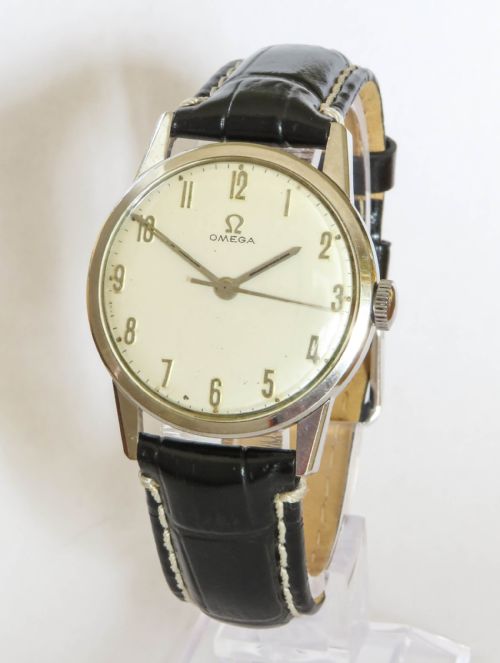
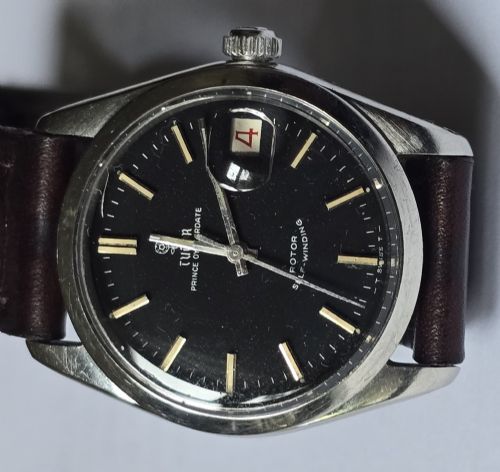
These classic luxury wrist watch examples offer mid-century mechanical horology in precious metals and steel for daily wear.
Classic Luxury Wrist Watch
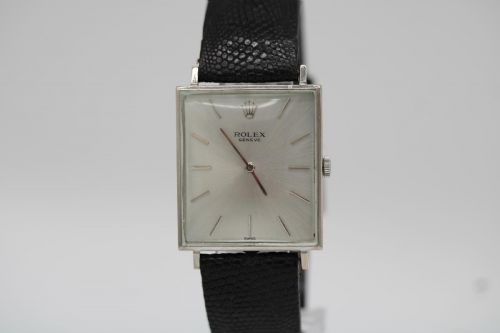
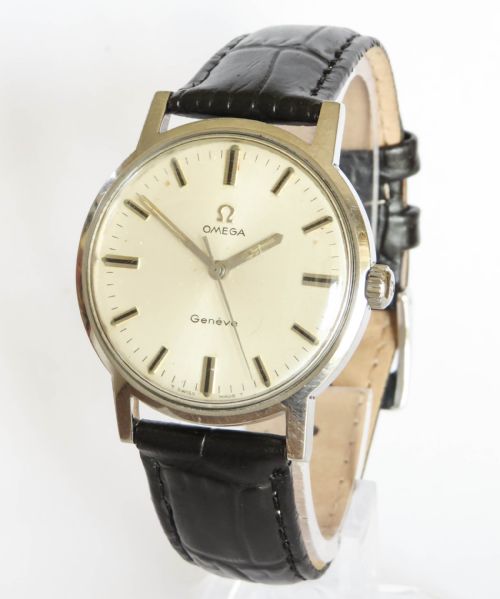
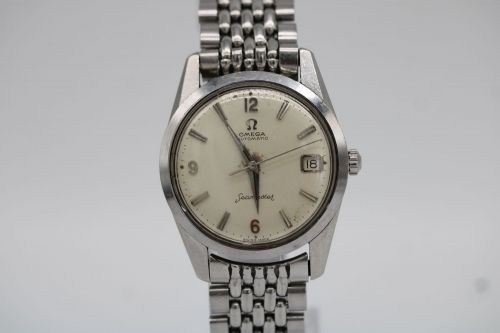
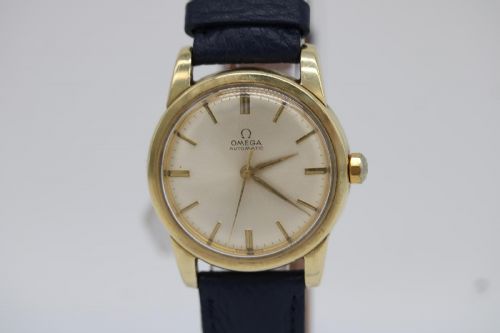
A classic luxury wrist watch represents mid-century design, originating primarily from the nineteen-fifties and nineteen-sixties. These wristwatches encompass automatic and manual wind movements housed in traditional round or shaped cases.
Collectors encounter pieces spanning stainless steel, gold plate, nine-carat gold, and eighteen-carat white gold constructions. Leather straps and original buckles frequently accompany these vintage timepieces.
The selection reflects distinct mid-century styles including mid-century modern, nineteen-seventies modern, and mid-century luxury aesthetics. Prominent watchmaking houses dominate the selection, offering dress and sports configurations.
How They Were Made
Cases utilise robust metals including solid nine-carat gold, eighteen-carat white gold, gold plate, and stainless steel. Dials feature applied markers, distinctive patination, and specific typography such as black smiley text.
Covering crystals are constructed from acrylic and acrylic glass to protect the dial face. Mechanical movements drive the timekeeping, utilising intricate internal calibres with jewelled pivots.
What Varies in Quality
The distinction between tiers rests upon the preservation of original components, such as signed crowns, matching straps, and unpolished case edges. Factory finishes on dials, whether sunburst or patinated, retain greater appeal when untouched by later restoration.
Precious metal content dictates the upper tier, with solid nine-carat and eighteen-carat white gold cases commanding attention above gold-plated and stainless steel alternatives. Movement execution, denoted by calibre specifications and chronometer certification, further separates standard production from superior examples.
Tudor·Rolex·Omega·Longines
The Classic Luxury Wrist Watch Glossary
- Calibre
- The internal mechanical movement of a watch, designated by the manufacturer by a specific number. This identifies the particular engineering design powering the timepiece.
- Chronometer
- A high-precision watch that has passed rigorous accuracy tests conducted by an official-rating organisation. These movements demonstrate superior timekeeping performance.
- Automatic
- A self-winding mechanical movement that uses a weighted rotor to wind the mainspring through natural wrist motion. This system removes the need for daily manual winding.
- Patina
- The natural ageing, discolouration, or gradual surface change on a dial or case developed over decades. Collectors value this evidence of genuine age and history.
- Oyster
- A term denoting a water-resistant case construction featuring a screwed-down crown and case back. This system protects the internal movement from moisture and dust.
Classic Luxury Wrist Watch: Frequently Asked Questions
How do I wind a manual watch?
Rotate the crown clockwise between your thumb and forefinger until you feel gentle resistance. Stop immediately to avoid damaging the internal mainspring.
Perform this action at roughly the same time each day to maintain consistent tension and accurate timekeeping.
Can I wear a vintage watch daily?
Many people wear these timepieces daily, provided the movement receives regular servicing by a qualified horologist. Care must be taken regarding water exposure, as vintage seals degrade.
Leather straps should be kept dry, and manual or automatic movements should avoid heavy physical impacts during sports.
What is an automatic movement?
An automatic movement is a mechanical watch that winds itself using the natural movement of the wearer's wrist. An internal weighted rotor spins as you move, tensioning the mainspring.
This removes the need for manual daily winding while retaining traditional mechanical gear trains.
How do I identify the production decade?
Inspect the movement calibre number, case reference stampings, and dial typography for clues. Serial numbers engraved between the lugs often correlate with manufacturer production ledgers.
Stylistic cues such as acrylic crystals, dauphine hands, and specific font weights also indicate mid-century manufacture.