
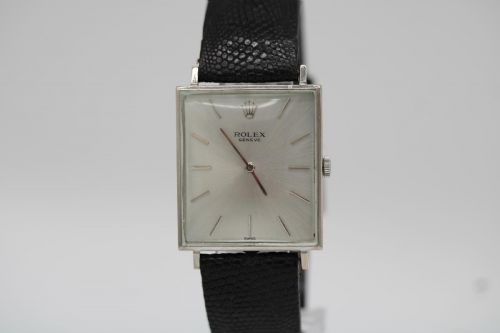
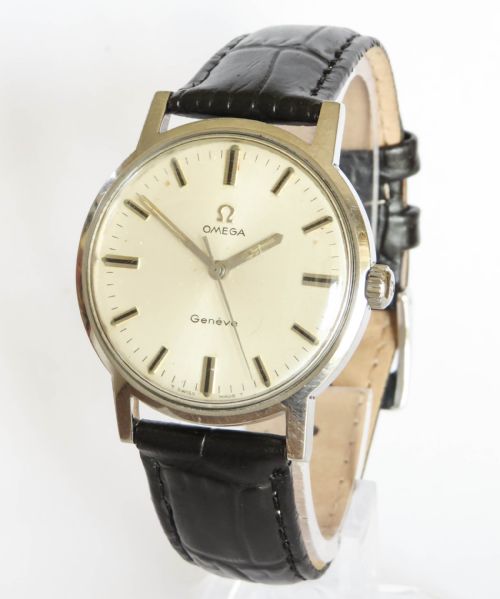
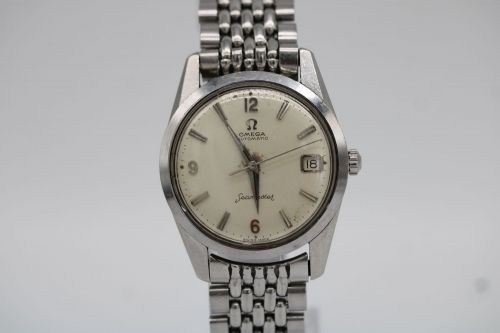
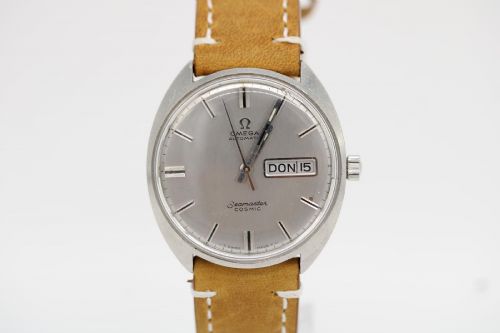



Classic Luxury Watch
A classic luxury watch is a vintage mechanical timepiece offering refined horology from the mid-twentieth century.
Classic Luxury Watch
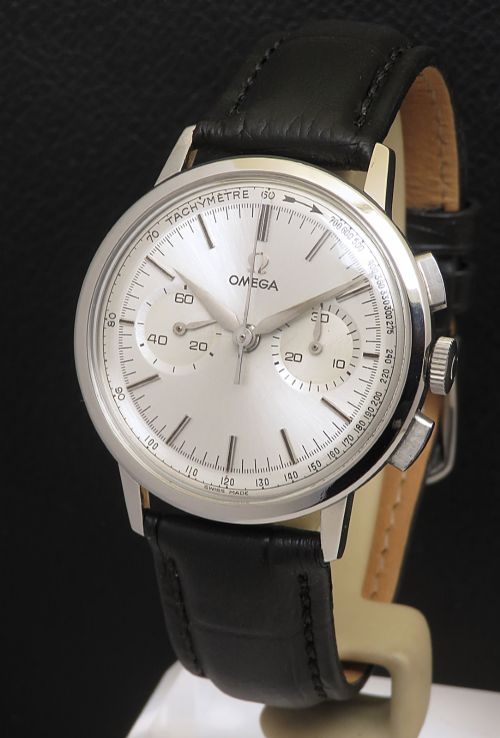
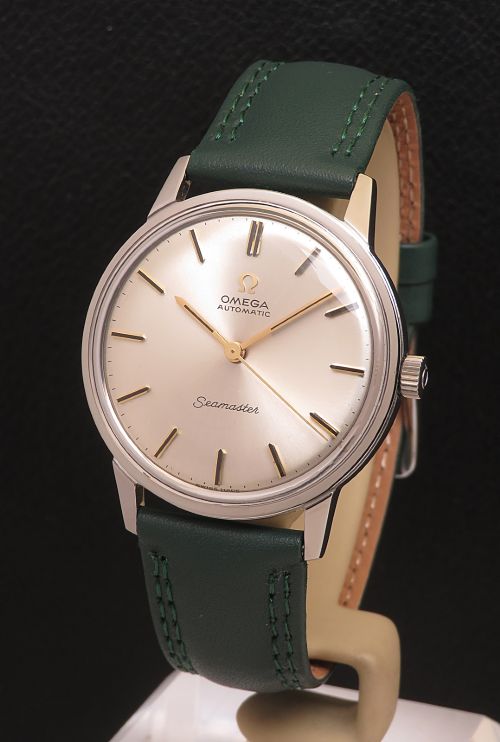
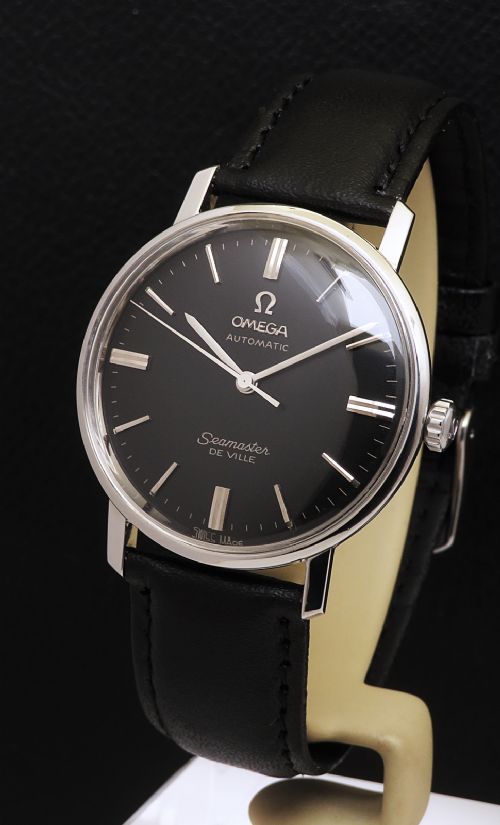
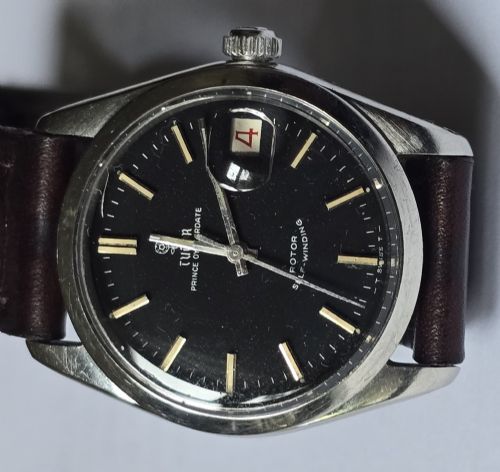
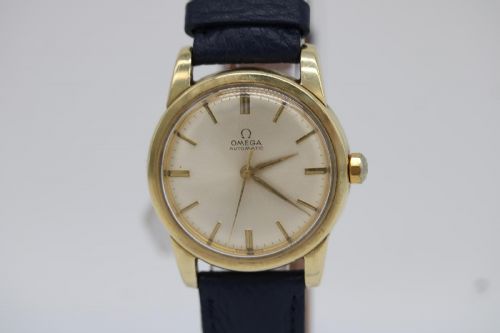
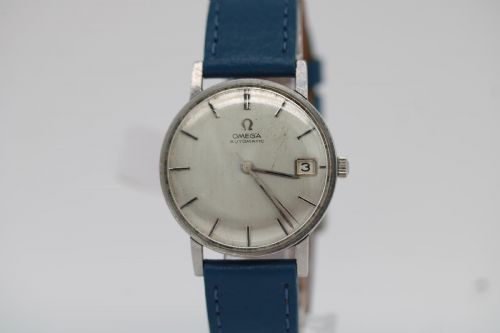
A classic luxury watch represents the wristwatches produced primarily during the 1950s and 1960s by established Swiss makers. These pieces take the form of automatic, manual wind, or chronograph wristwatches designed for everyday wear or formal use.
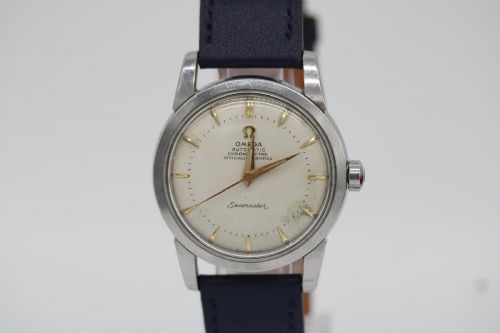
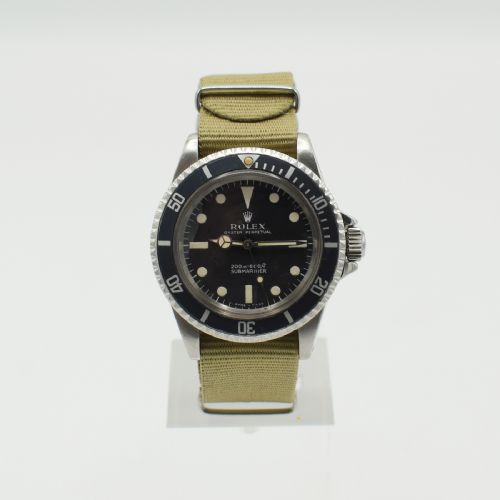
The selections available here lean heavily towards mid-century designs, featuring round or shaped cases paired with leather straps or metal bracelets. Buyers encounter iconic lines such as the Omega Seamaster, Rolex Oyster Perpetual, and Tudor Prince.
Dials range from clean silvered surfaces to patinated tones, black smiley layouts, and gold sunburst finishes. Each wristwatch captures the mechanical engineering standards of the post-war decades.
How they were made
These wristwatches utilise precious metals like 9ct gold, 18ct white and yellow gold, alongside stainless steel and gold plate for the cases. Crystals are formed from glass, acrylic, or acrylic glass to protect the dial.
The inventory spans the 1940s, 1950s, and 1960s, utilising materials including stainless steel, solid gold, leather, and acrylic glass.
What varies in quality
The distinction between examples rests upon the original condition of the dial, the preservation of the case geometry, and the integrity of the mechanical movement. Factory originality in components elevates a piece considerably.
Restoration work alters the character of a wristwatch, making untouched dials and matching original hardware particularly sought after by collectors who value historical authenticity.
Omega·Rolex·Tudor·Longines·Baume and Mercier
The Classic Luxury Watch Glossary
- Calibre
- The specific internal mechanical movement manufactured for a wristwatch. It defines the technical design and layout inside the case.
- Automatic
- A mechanical movement that winds itself using the natural motion of the wearer's wrist via an internal rotor.
- Manual wind
- A movement requiring the wearer to manually turn the crown to tension the mainspring and power the watch.
- Chronometer
- A high-precision watch movement that has passed rigorous official accuracy tests, usually certified by an external testing institute.
- Patina
- The natural ageing and gentle discoloration that develops on a watch dial or case over decades of exposure to time and elements.
Classic Luxury Watch: Frequently Asked Questions
How do I wind a manual watch?
Rotate the crown gently between your thumb and forefinger clockwise until you feel resistance. Stop immediately to avoid damaging the mainspring.
Perform this action at roughly the same time each day to maintain consistent timekeeping performance.
Are vintage watches waterproof?
Most vintage pieces lack modern waterproof seals and rely on basic gaskets that degrade over decades. Even models designated for diving should avoid water immersion.
Keep these watches away from heavy rain, showers, and swimming pools to protect the delicate internal movement.
How often should they be serviced?
Mechanical movements require professional lubrication and cleaning every few years to prevent wear on metal gears. Oils dry out and gather microscopic dust over time.
A qualified watchmaker can disassemble the calibre, clean the components, and regulate the timing accurately.
Can I wear a vintage watch daily?
Daily wear is entirely suitable provided you observe basic precautions regarding moisture, impacts, and magnetic fields. Many owners enjoy integrating these pieces into daily routines.
Store the watch safely at night and avoid wearing it during rigorous physical activities or sports.