






Classic Leather Top Desk
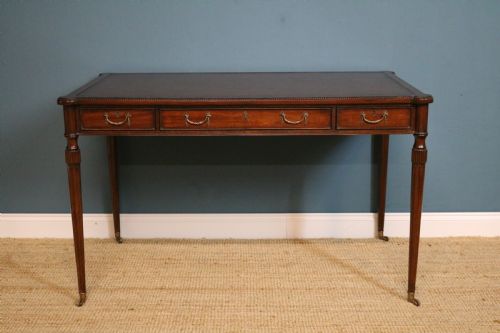
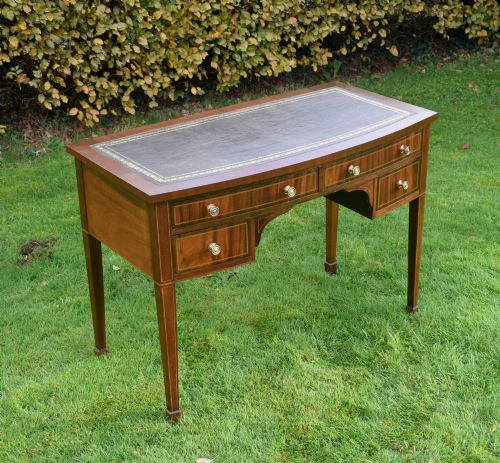
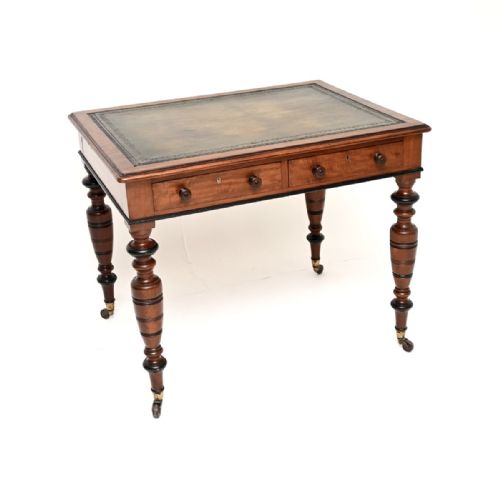
A classic leather top desk brings warmth and a dedicated workspace to a room, offering the rich grain of mahogany or burr walnut paired with a hide writing surface.
Classic Leather Top Desk
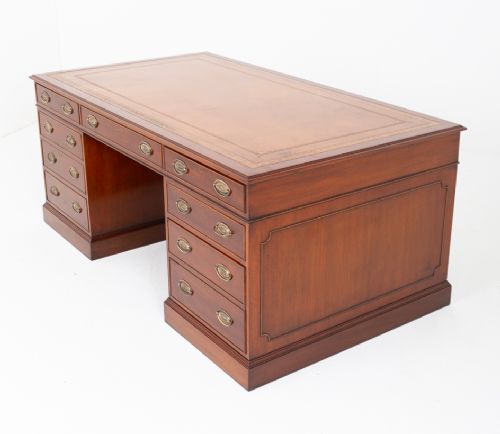
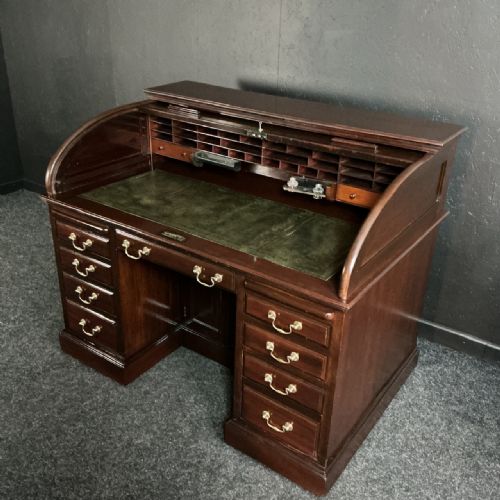
When you search for a classic leather top desk, you encounter substantial working furniture built primarily during the Victorian and Edwardian eras, spanning the nineteenth and early twentieth centuries. These pieces generally take the form of pedestal desks, partners desks, or writing tables designed for practical study and administrative tasks.
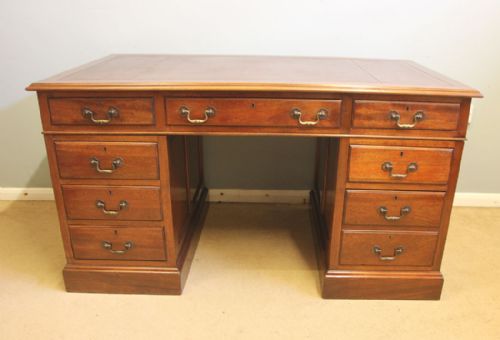
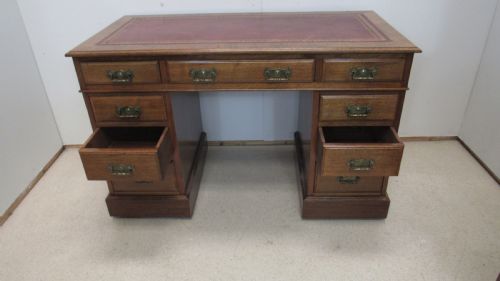
The most common version you will meet on this page is the Victorian mahogany pedestal desk, featuring a leather inset top above twin banks of drawers. Alongside these traditional British forms, occasional continental examples appear, including bureau plat writing tables in the Louis XV style and pieces adorned with ormolu mounts.
How they were made
Cabinetmakers constructed the carcases and drawers of these desks using solid timbers like mahogany, oak, and walnut, frequently applying fine veneers such as burr walnut or satinwood to primary surfaces. Brass hardware, including handles and drawer pulls, provides functional durability while complementing the deep tones of the wood.
The writing surfaces are inset with panels of leather, sometimes decorated with gilt tooling around the perimeter. Ormolu mounts appear on specific continental or revival pieces to add decorative metalwork highlights to the mahogany structure.
Classic Leather Top Desk Retail Price Guide 2026
Typical asking prices for classic leather top desk among the pieces listed under this phrase on Sellingantiques today, from the lower quarter to the upper quarter. They describe what is for sale here now, not the wider market.
One listed Victorian desk spent time at the Elveden Estate, proving that even administrative furniture can rub shoulders with aristocratic heritage.
What varies in quality
The distinction between tiers of quality rests heavily on the selection of timber and the execution of the cabinetry. Superior examples utilise well-figured mahogany or carefully matched burr walnut veneers across all prominent surfaces, whereas simpler pieces rely on plain grain or secondary woods.
Proportion and scale also dictate the standing of a desk, with balanced pedestals and well-considered depths marking out finer workshops. The crispness of drawer dovetailing and the quality of the original brasswork further separate standard utilitarian desks from exceptional ones.
Maple and Co
The Classic Leather Top Desk Glossary
- Pedestal desk
- A freestanding desk comprising a top section resting on two separate banks of drawers or cupboards. This form provides substantial storage while maintaining a finished appearance on all sides.
- Partners desk
- A large double-sided desk designed for two people to work opposite one another, featuring drawers and cupboards accessible from both faces. These pieces were traditionally used in libraries, banks, and large studies.
- Bureau plat
- A French style of writing table featuring a rectangular top inset with leather and a frieze containing one or more drawers. These tables stand on slender cabriole or square tapered legs rather than heavy pedestals.
- Ormolu
- Gilded bronze or brass used as decorative mounts on furniture. It provides bright metallic contrast against dark timbers like mahogany.
- Burr walnut
- Timber taken from a growth on a walnut tree, producing swirling, highly figured grain patterns. It is sliced into thin veneers for decorative desk surfaces.
Classic Leather Top Desk: Frequently Asked Questions
What is a partners desk?
A partners desk is a large, double-sided writing table built with drawers and cupboards on both faces so two people can work opposite each other. They were commonly used in administrative offices and private libraries.
These desks are deeper and wider than standard single-sided pedestal desks to accommodate the workspace on both sides. They require significant floor space and look best positioned in the centre of a large room rather than against a wall.
How do I care for the leather top?
Leather writing surfaces require gentle cleaning with a slightly damp cloth followed by a specialised leather cream or wax to prevent drying and cracking. Avoid using harsh chemical cleaners or placing hot cups directly on the hide.
Over time, the leather develops a natural patina from use. Maintaining the surface with appropriate balms preserves the suppleness of the material and protects the gilt tooling around the edges.
Are these desks suitable for daily computer work?
Many people use antique pedestal desks for modern working by placing laptops on the leather surface. The drawers provide ample storage for stationery, documents, and peripherals.
It is important to check the kneehole height and width of a specific desk before purchase to ensure comfortable legroom and chair clearance. Older desks can have lower writing heights than modern office furniture.
How do I distinguish Victorian from Edwardian desks?
Victorian desks, built between eighteen thirty and nineteen hundred, generally feature heavier proportions, dense mahogany or walnut timbers, and traditional hand-cut dovetails. They often emphasise solid construction and functional utility.
Edwardian desks, dating from the early twentieth century, frequently revive earlier styles such as Sheraton or Georgian designs. They can incorporate lighter woods like satinwood and often display more delicate framing and slender proportions.