
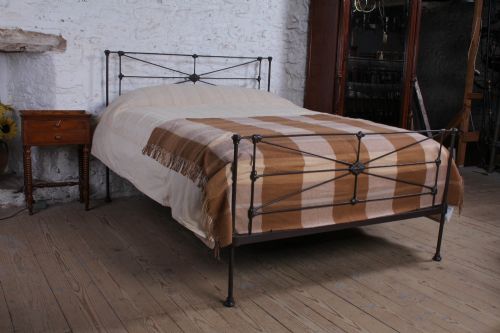


Classic Iron Bedstead Frame
A classic iron bedstead frame offers robust character and simple period charm, bringing substantial focal weight to a traditional bedroom.
Classic Iron Bedstead Frame
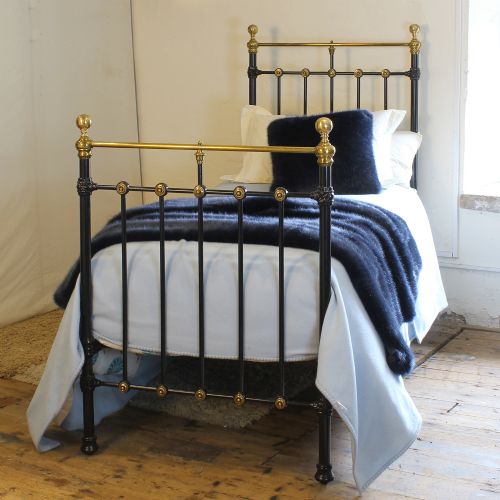
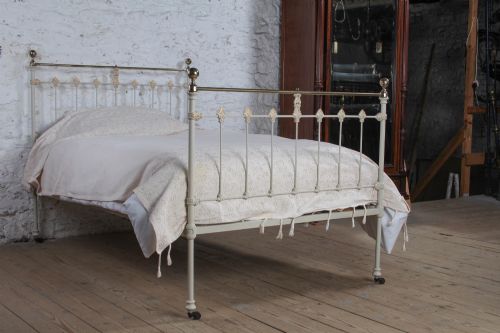
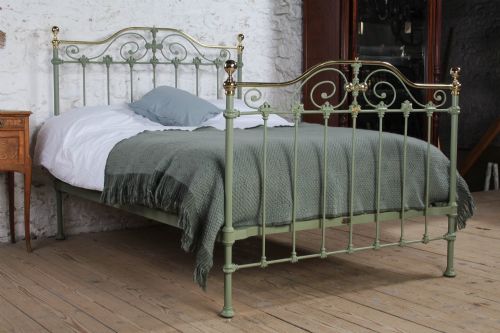
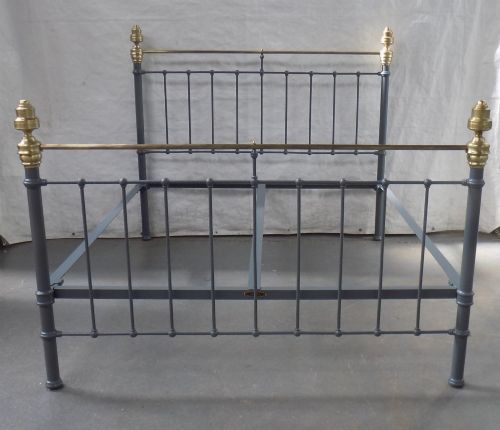
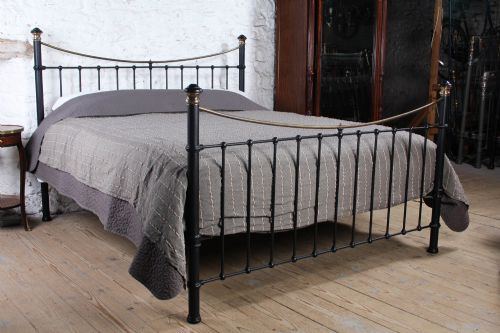
A classic iron bedstead frame brings solid construction and historic presence to a bedroom, appearing primarily across Victorian and Edwardian periods alongside regional country styles from France and Portugal. These items present in single, double, queen, king, and super king sizes, often incorporating brass detailing alongside the core metal structure.
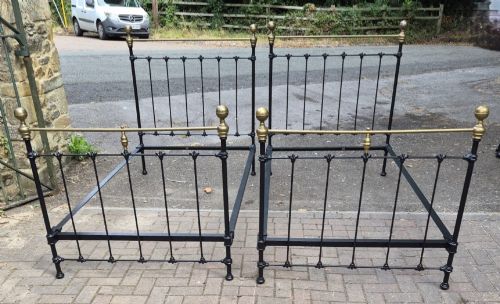
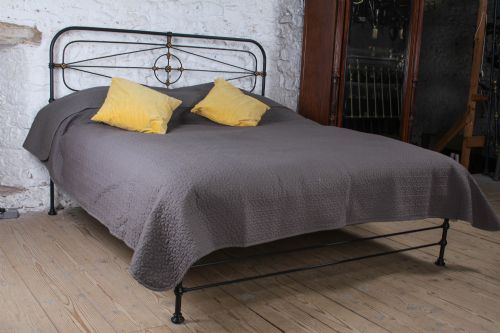
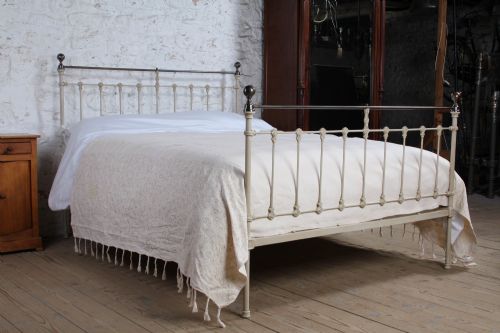
The listings here show forms ranging from straight rail and dip rail designs to all-iron constructions and pieces finished with painted surfaces in black, green, cream, or bare forged metal. Certain items omit the foot end entirely or feature distinctive ribbon reed shaping to suit various interior spaces.
Construction and Materials
These frames combine cast iron, wrought iron, and forged iron with polished brass components, utilising metalworking techniques typical of late nineteenth and early twentieth century manufacturing. Structural elements rely on robust joining methods to support substantial daily use while maintaining decorative integrity.
Surfaces receive protective or decorative coatings, including applied paint in colours such as black, green, and cream, or remain as exposed forged iron. Brass elements provide contrasting metallic highlights against the dark or painted iron bodies.
Some frames dispense with the foot end entirely to create an open feel in smaller bedrooms.
Assessing Quality
Quality in a classic iron bedstead frame depends on the crispness of the casting work and the delicacy of ornamental brass fittings applied to the structure. Superior examples display precise joinery, clean lines on straight or dip rails, and balanced proportions across larger widths.
The finish of the metal or paintwork also dictates standing, with well-preserved original surfaces or careful restoration retaining the decorative appeal without obscuring the underlying material texture.
Winfield
The Classic Iron Bedstead Frame Glossary
- Cast iron
- A strong, hard iron-carbon alloy produced by pouring molten metal into a mould, commonly used for structural and decorative bed components.
- Wrought iron
- Tough, malleable iron that is easily beaten or bent into shape, frequently utilised for the framework and scrolling elements of older beds.
- Brass
- A yellow alloy of copper and zinc used extensively for decorative knobs, rails, and finials on metal bed frames.
- Dip rail
- A headboard or footboard rail that curves downwards in the centre, creating a softer profile than a straight top bar.
- Straight rail
- A horizontal top bar running across the headboard or footboard without any central dip or curve.
Classic Iron Bedstead Frame: Frequently Asked Questions
How do I choose the right size?
Measure your bedroom floor space carefully, allowing clearance around the perimeter for walking and opening bedroom furniture drawers. Consider whether a single, double, king, or super king proportion suits the scale of your room.
Take into account the height of the headboard and footboard to ensure the frame does not overwhelm low ceilings or obstruct windows.
Are modern mattresses compatible with these?
Most antique metal frames accommodate standard modern mattress sizes, provided the internal dimensions match the designated width and length. Slats or modern base supports can be placed inside the side rails to hold the mattress securely.
Check the precise measurements listed for each piece against your mattress dimensions before committing to ensure a proper fit.
How should I care for painted metal?
Dust the frame regularly with a dry or slightly damp cloth to prevent the accumulation of dirt on painted or forged surfaces. Avoid harsh chemical cleaners that might degrade historic paint or protective metal coatings.
Inspect the joints periodically and keep the environment dry to protect the underlying iron from moisture exposure.
How do I distinguish Victorian from Edwardian frames?
Victorian examples frequently display heavier ornamentation, elaborate brass dressing, and robust cast iron components reflecting nineteenth-century industrial output. Edwardian pieces often move towards simpler lines, lighter proportions, and refined details such as dip rails.
Examine the overall weight, decorative restraint, and specific shaping of the top rails to determine the likely period of manufacture.