



Classic Horse Artwork
Classic horse artwork brings equestrian life and sporting history into a room through oils and prints.
Classic Horse Artwork
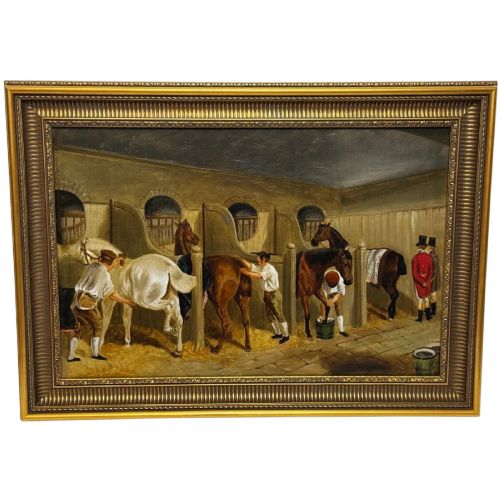
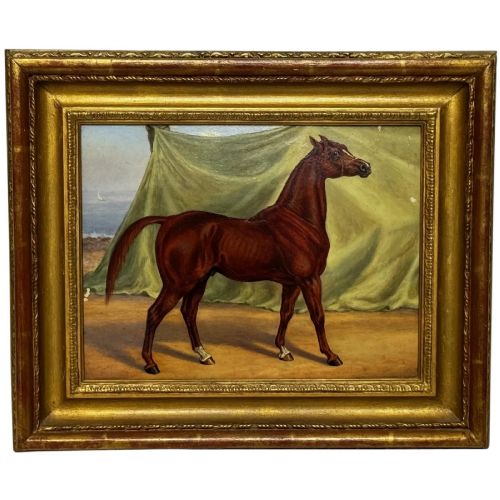
Classic horse artwork comprises oil paintings and prints depicting equestrian subjects, racing scenes, and rural life. When you search for classic horse artwork, you encounter Victorian paintings and 19th-century engravings capturing horses in landscapes and stables.
The pieces on this page span the nineteenth and early twentieth centuries, featuring works from periods such as the Victorian era and 1850. Common subjects range from named racehorses with jockeys to working animals and hunting studs.
Framed formats dominate the selection, utilising wood, giltwood, and glass to present the images. These works reflect British sporting art traditions, English country schools, and colonial subjects.
How they were made
Painters applied oil on canvas to depict portraits of horses and sporting scenes, often housed within gilt wood or plaster frames. These techniques allowed artists to render textures in coats and landscapes with fine detail.
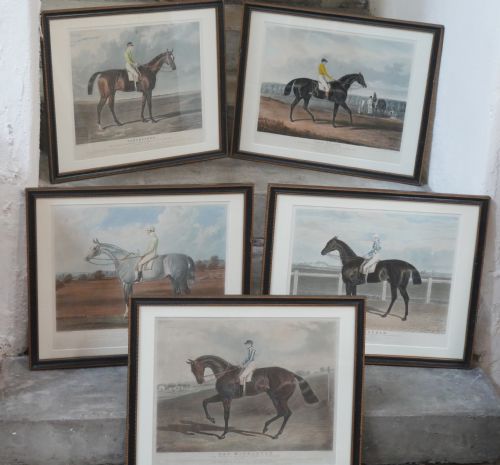
Engravings and prints utilise paper and glass, preserving detailed line work from nineteenth-century plates. Makers assembled sets of multiple engravings to record racing events and sporting narratives.
Classic Horse Artwork Retail Price Guide 2026
Typical asking prices for classic horse artwork among the pieces listed under this phrase on Sellingantiques today, from the lower quarter to the upper quarter. They describe what is for sale here now, not the wider market.
One print humorously pits carpet beaters against bobbery wallahs in a lively scene.
What varies in quality
Quality rests in the precision of the animal's anatomy and the skill shown in the landscape background. Works by documented hands display superior handling of light and form compared to anonymous studio pieces.
The preservation of the original canvas, paper, and framing materials dictates the integrity of the piece. Period frames in giltwood add distinction when they match the age of the artwork.
Clifton Tomson·Frederick J Knowles·Snaffles·J F Herring
The Classic Horse Artwork Glossary
- Engraving
- A print made by cutting a design into a metal plate, which then holds ink for transfer to paper. This technique allowed multiple impressions of sporting scenes to be circulated.
- Giltwood
- Wood carved and covered with a thin layer of gold leaf or gold paint. Frames of this material frequently accompany nineteenth-century oil paintings.
- Equestrian
- Pertaining to horses and horse riding. In art, this category covers portraits of individual animals, racing subjects, and hunting scenes.
- Sporting art
- Artwork depicting field sports, horse racing, and hunting traditions. This genre flourished in Britain throughout the nineteenth century.
Classic Horse Artwork: Frequently Asked Questions
What periods do these pieces date from?
The works date across the nineteenth and early twentieth centuries, including specific years like 1850, 1910, and 1930.
Victorian and Georgian influences appear frequently across the paintings and prints.
What materials were used for framing?
Frames commonly utilise wood, giltwood, plaster, and glass to protect and display the artworks.
Many oil paintings retain their period gilt frames.
Are these works hand-painted or printed?
The selection includes both original oil paintings on canvas and printed engravings on paper.
Some listings offer sets of multiple engravings or individual oil portraits.
What subjects appear in these artworks?
Subjects include racehorses with jockeys, hunting studs, military figures, and rural harvest scenes.
Works also depict colonial scenes and purebred horses in stables.