



Classic Horse Art
These classic horse art pieces capture centuries of equestrian heritage through detailed oil paintings and framed prints.
Classic Horse Art
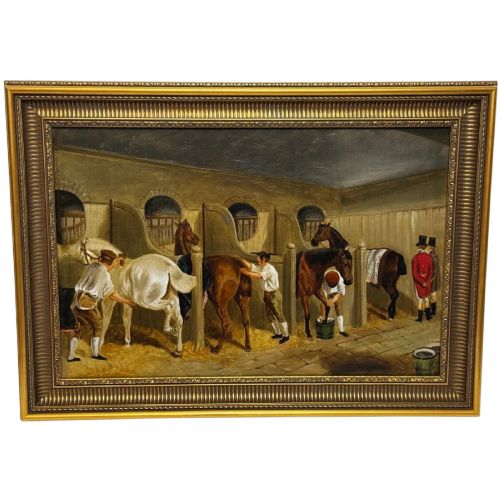
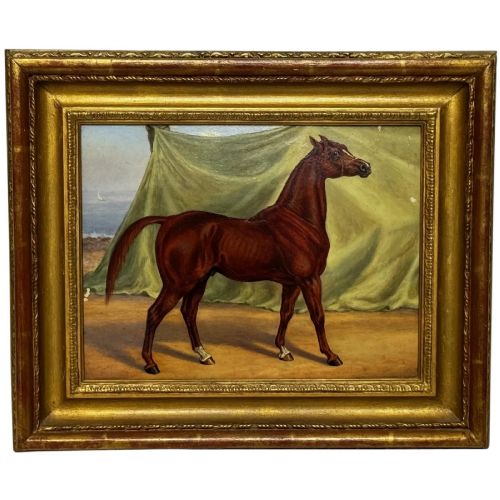
Classic horse art encompasses traditional oil paintings and framed prints depicting equines, racing scenes, and rural subjects from past centuries. When searching for classic horse art, collectors generally encounter works originating from the nineteenth and early twentieth centuries. These pieces range from detailed portraits of individual thoroughbreds to broader pastoral scenes involving livestock.
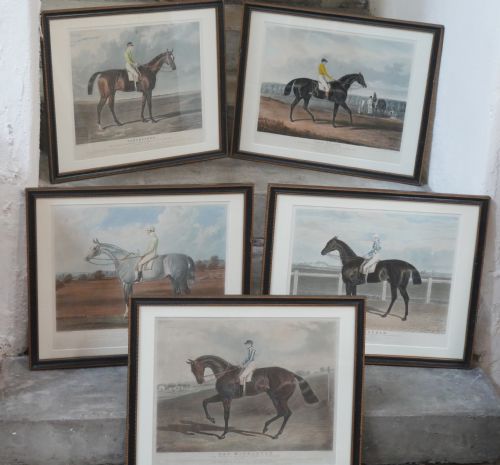
The selections available here showcase notable Victorian sporting subjects alongside English country school paintings and colonial works. Engravings depicting racing scenes and hunting studs frequently appear within this category alongside wall sculpture and plaster pieces. Such works reflect the deep cultural ties between society and horses across British, Spanish, and Indian contexts.
Buyers frequently find works attributed to specific artists like Clifton Tomson or J F Herring among these offerings. Others remain anonymous examples of nineteenth-century craftsmanship, reflecting regional artistic traditions. Each piece provides a window into historical equestrian pursuits, training methods, and agricultural life.
Materials and methods
Artisans and painters of these periods relied primarily on oil on canvas for their primary works, mounted within wood or giltwood frames. Paper served as the base for the numerous engravings and prints that documented racing and hunting culture. Plaster and glass also appear in the construction of wall sculptures and protective elements surrounding the artwork.
Painters utilised traditional brushwork techniques to render the musculature of horses and the textures of landscape backgrounds. Engravers employed meticulous scratching and printing methods on paper to reproduce multi-plate sporting scenes accurately. Frames were typically carved from wood and finished with gilt to complement the imagery within.
Classic Horse Art Retail Price Guide 2026
Typical asking prices for classic horse art among the pieces listed under this phrase on Sellingantiques today, from the lower quarter to the upper quarter. They describe what is for sale here now, not the wider market.
Even carpet beaters and bobbery wallahs find themselves immortalised in early twentieth-century print.
Evaluating the pieces
Quality in these works rests upon the precision of the anatomical rendering of the horse and the depth of the surrounding landscape. Skilled artists captured the specific posture, spirit, and conformation of thoroughbreds, whereas lesser works display rigid or generalised forms. The vibrancy of the oil on canvas and the crispness of nineteenth-century engravings dictate visual appeal.
The condition of the original wood or giltwood frames significantly influences the overall integrity of the piece. Works retaining their period mountings without excessive restoration hold greater historical continuity. Furthermore, attribution to documented nineteenth-century painters elevates the standing of an individual oil painting within this field.
Clifton Tomson·Frederick J. Knowles·J F Herring
The Classic Horse Art Glossary
- Giltwood
- Wood that has been coated with a thin layer of gold leaf or gold paint. This finish frequently adorns the frames surrounding nineteenth-century paintings.
- Engraving
- An image produced by cutting a design into a hard plate, which is then inked and pressed onto paper. This technique enabled the mass production of detailed sporting prints.
- Oil on canvas
- Pigment mixed with drying oil applied to a stretched cloth surface. This medium forms the foundation of the primary paintings in this category.
- Sporting art
- Depictions of hunting, racing, and animal portraits that gained immense popularity during the Victorian era. These works celebrate rural traditions and equestrian achievements.
Classic Horse Art: Frequently Asked Questions
What periods do these pieces date from?
The works originate largely from the nineteenth and early twentieth centuries, spanning the Victorian era and Edwardian periods. Dates mentioned in the listings range from eighteen-fifty through to nineteen-thirty.
Specific eras like the Victorian sporting period heavily influence the style and subject matter of the canvases and prints available.
How were these artworks displayed historically?
Paintings and framed engravings were traditionally hung in country houses, hunting lodges, and stable offices to celebrate sporting achievements and prized animals. Giltwood frames provided a formal presentation suitable for drawing rooms.
Wall sculptures and plaster pieces were similarly mounted to add texture and three-dimensional equestrian themes to interior spaces.
What subjects besides horses appear in these works?
Artists frequently integrated livestock such as cattle alongside horses within pastoral landscapes and harvest scenes. Jockey portraits, hunting studs, and racing events also provide human context to the animal subjects.
Backgrounds often feature English country settings or colonial landscapes, reflecting the geographical reach of nineteenth-century equestrian culture.
How do I care for antique oil paintings?
Oil paintings require stable indoor humidity and temperature levels to prevent cracking of the canvas and paint layers. Direct sunlight should be avoided to protect pigments from fading over time.
Frames made of wood and gilt benefit from gentle dusting with a soft, dry cloth without the application of chemical cleaning agents.