

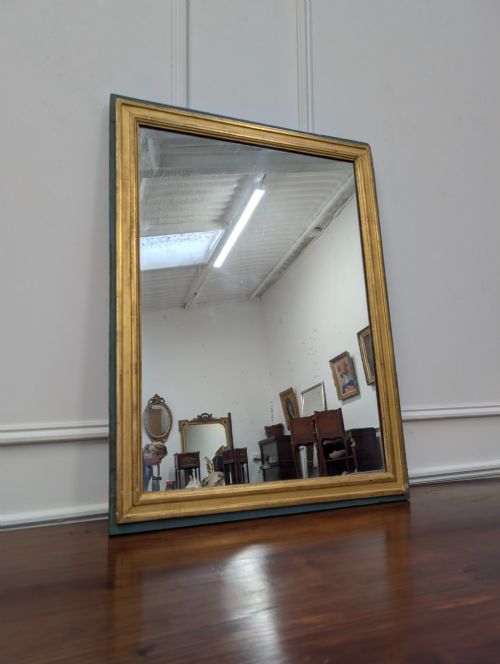
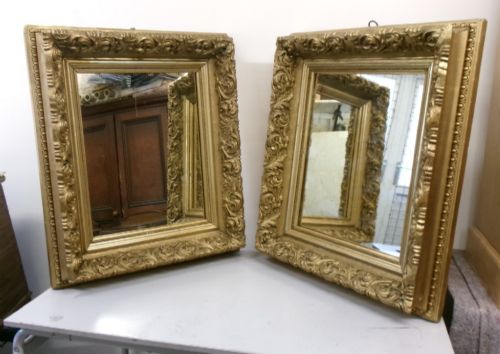
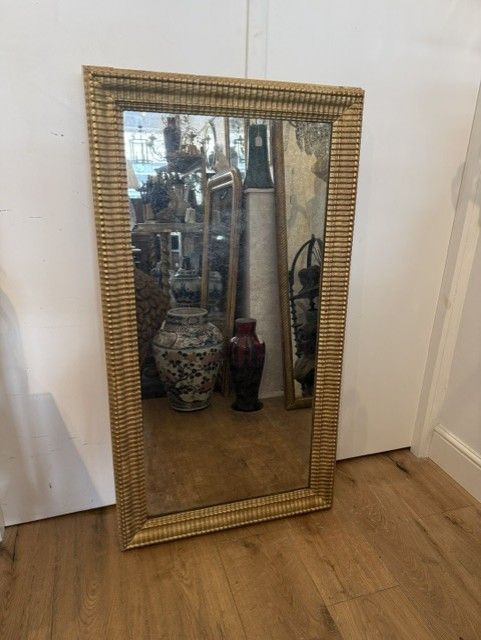
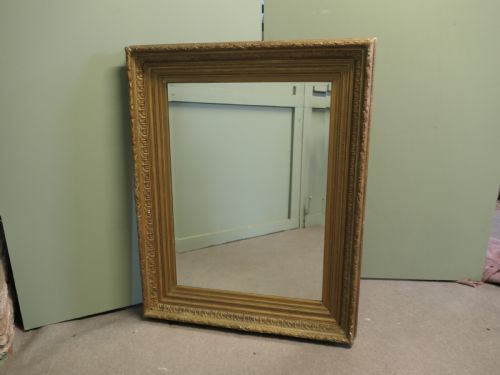
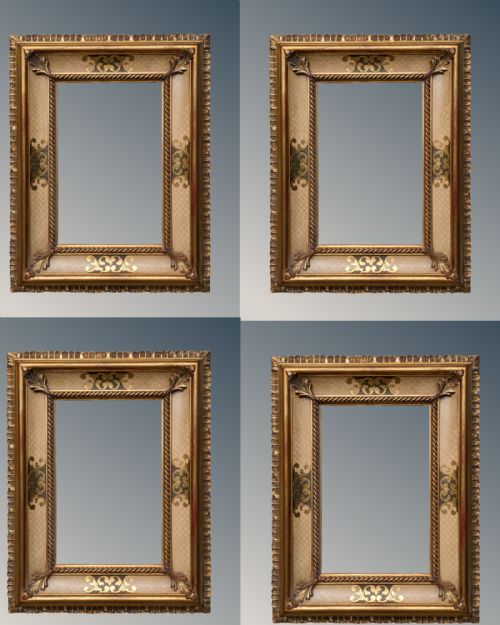


Classic Gilt Wood Mirror
A classic gilt wood mirror brings immediate light and a sense of historical presence to a room.
Classic Gilt Wood Mirror
A classic gilt wood mirror is typically formed from timber, gesso, and gold leaf or composition, spanning periods from the eighteenth century through to the twentieth century. These pieces primarily manifest as wall mirrors, overmantel mirrors, and pier glass mirrors, designed to reflect light and enhance interior spaces. Buyers searching for a classic gilt wood mirror will encounter various regional interpretations, including English, French, and Italian examples.
The selection here heavily favours nineteenth-century creations, encompassing Victorian, Edwardian, and specific continental revivals such as the Louis XVI style and Italian Renaissance revival. Forms range from large overmantel mirrors with carved wood and gesso frames to smaller oval mirrors and ripple frame mirrors. Each piece brings distinct historical character, whether through grand proportions or refined decorative framing.
Origins vary across English, French, and Italian workshops, displaying distinct regional carving and gilding traditions. Overmantel mirrors dominate the larger scale options, while pairs of pier glass mirrors and oval wall mirrors offer vertical and curved alternatives. The materials consistently centre on wood foundations finished with gesso and gold leaf or silver and gilt applications.
Materials and construction methods
The foundation of these mirrors relies primarily on pine or carved wood, providing a stable base for detailed ornamentation. Artisans applied layers of gesso over the wood substrate to build up relief details and prepare a smooth surface for gilding. Carved wooden elements often incorporated composition ornamentation for intricate mouldings.
Gilding techniques involved applying gold leaf or silver and gilt finishes over the prepared gesso and wood structure. This surface treatment gave the frames their characteristic metallic sheen and protective coating. Master craftsmen combined hand carving with moulded composition details to achieve both depth and precision in the frame design.
Classic Gilt Wood Mirror Retail Price Guide 2026
Typical asking prices for classic gilt wood mirror among the pieces listed under this phrase on Sellingantiques today, from the lower quarter to the upper quarter. They describe what is for sale here now, not the wider market.
Some nineteenth-century mirrors feature ripple frames that play tricks on your eyes, creating watery illusions from solid carved pine.
Distinguishing quality in gilt wood mirrors
The depth and crispness of the hand carving separate superior frames from simpler moulded versions. Superior examples display sharply defined foliage, scrollwork, or architectural motifs rather than soft or indistinct details. The integration between the carved wooden structure and the applied gesso layer demonstrates the maker's level of skill.
The application and preservation of the gold leaf or gilt surface dictate visual richness. Finer pieces show subtle variations in the metallic finish and retain their original gilding integrity over the gesso base. The quality of the underlying glass, often showing appropriate historical characteristics, completes the standard of the piece.
The Classic Gilt Wood Mirror Glossary
- Gesso
- A plaster-like mixture applied to wood frames to create a smooth surface for gilding and relief ornamentation. It allows carvers to achieve fine detail before applying gold leaf.
- Giltwood
- Wood that has been coated with gold leaf or gold paint. This material forms the primary decorative surface of these mirrors.
- Overmantel Mirror
- A large mirror specifically designed to hang above a fireplace mantel. These pieces often feature extended horizontal proportions to match the width of the hearth.
- Pier Glass
- A tall mirror designed to fit on the wall space between two windows. They were frequently paired symmetrically in nineteenth-century interiors.
- Ripple Moulding
- A decorative frame profile featuring a series of concentric, wave-like undulations. This technique creates complex geometric light patterns across the wood surface.
Classic Gilt Wood Mirror: Frequently Asked Questions
How do I hang a heavy overmantel mirror?
Heavy overmantel mirrors require professional wall fixings secured directly into structural studs or masonry. Due to the substantial weight of the wood, gesso, and glass, standard picture hooks are insufficient.
Ensure the hanging wire or integrated brackets distribute the weight evenly across multiple support points. Consulting a professional installer prevents damage to both the wall and the antique frame.
Where should I place a gilt wood mirror?
Gilt wood mirrors function effectively opposite windows to maximise natural light distribution within a room. Placing an overmantel mirror above a fireplace creates a traditional focal point for the interior.
Avoid areas subject to direct, intense sunlight or high moisture levels, such as unventilated bathrooms. Stable indoor environments preserve the delicate gesso and gold leaf surfaces over time.
How can I tell a nineteenth-century mirror from a later copy?
Examine the construction of the wood backing and the composition of the gesso layer for signs of age. Nineteenth-century frames often show hand-tool marks, oxidation on the mirror plate, and natural shrinkage in the timber.
Later reproductions frequently utilise uniform machine-carved details and modern synthetic binders in the gesso. Inspecting the fixings and the backboards provides further clues regarding the piece's true period.