


Classic Gentleman Portrait Painting
A classic gentleman portrait painting brings quiet authority and historical depth to a room through centuries-old oil on canvas depictions of distinguished sitters.
Classic Gentleman Portrait Painting
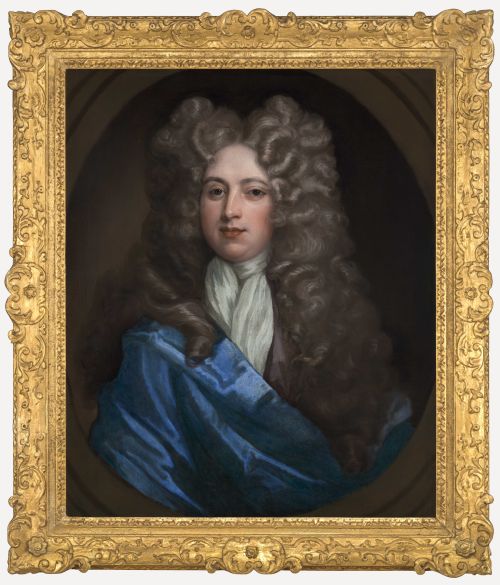
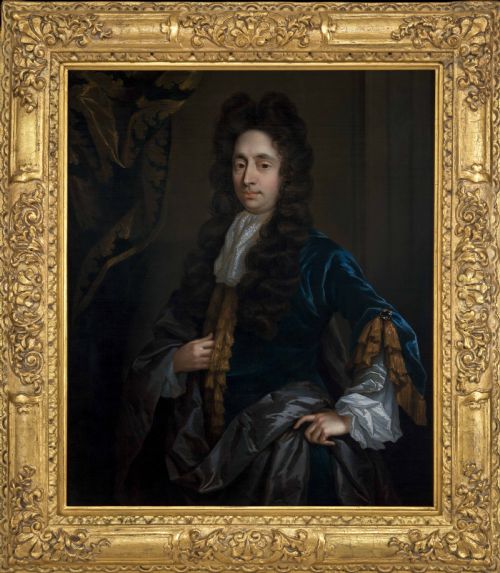
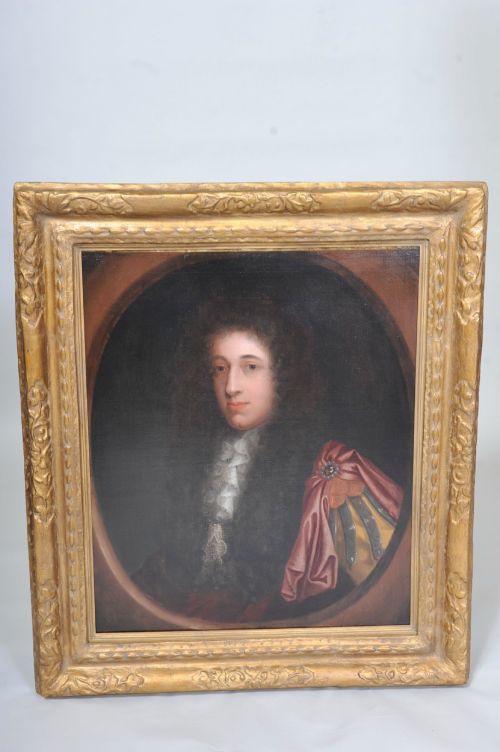
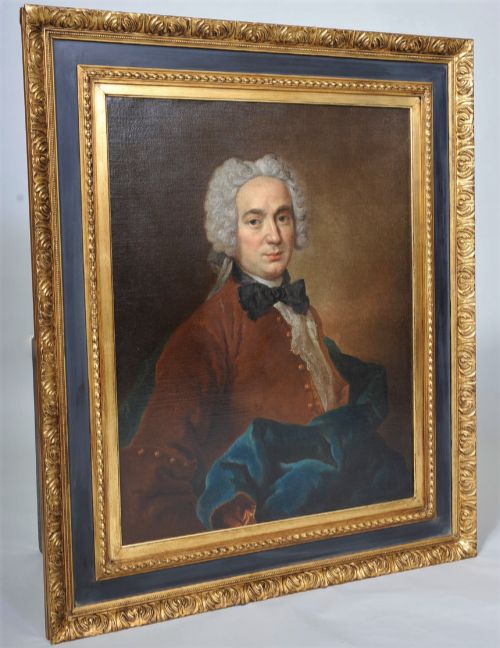
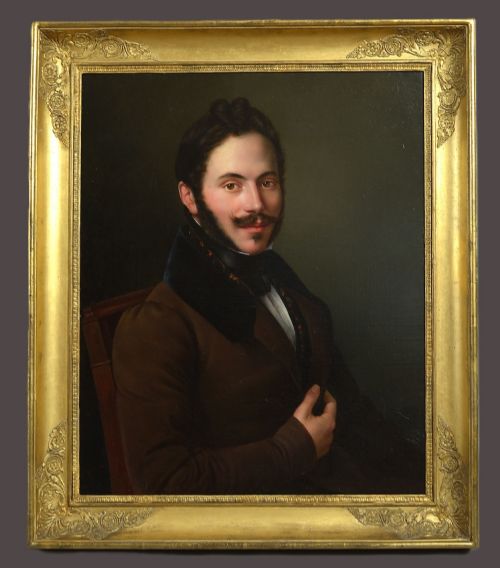
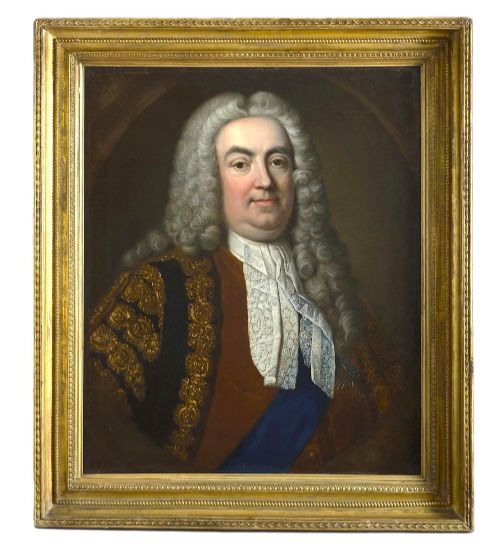
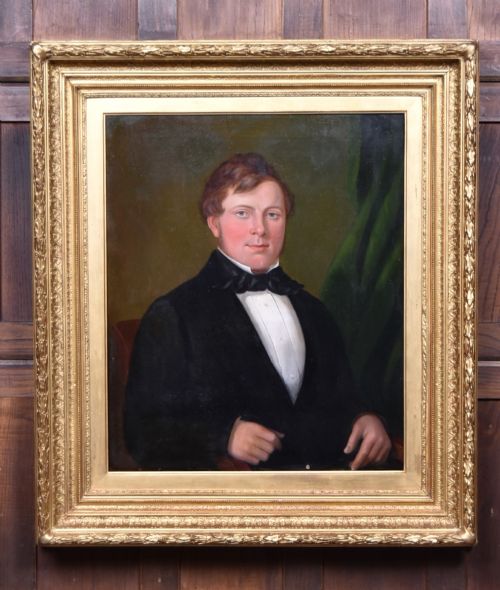
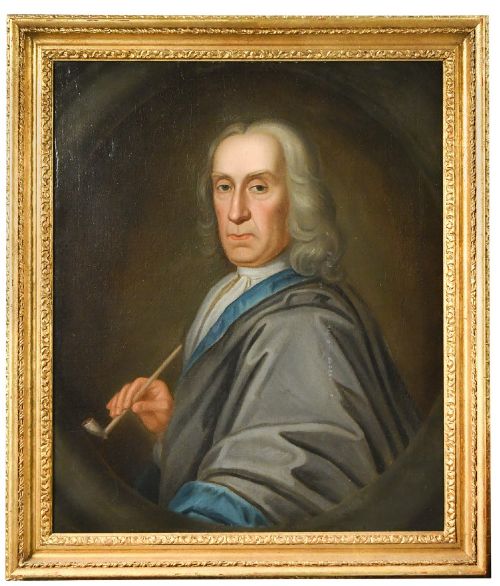
When you search for a classic gentleman portrait painting, you encounter oil on canvas works spanning from the seventeenth century through to the Edwardian era. These pieces depict named figures, such as prime ministers and princes, alongside anonymous gentlemen captured in ruffs or black suits.
The selection here encompasses Georgian and Victorian works, as well as Dutch Golden Age and Renaissance style paintings. English School portraits sit alongside Italian School compositions and pieces produced by studio workshops.
The most common formats on this page are oil paintings rendered on canvas and framed in giltwood or gilded wood. Subjects range from military figures and railway kings to artists and musicians.
How they were made
Frames play an integral role in the construction of these pieces, frequently utilising carved wood finished with gold leaf or giltwood. Such frames provide both structural support and the ornate ornamentation typical of historic periods.
This selection spans the seventeenth, eighteenth, and nineteenth centuries, featuring oil on canvas works framed in giltwood and wood.
What varies in quality
The distinction between standard works and exceptional examples lies in the precision of brushwork and the psychological depth achieved in the sitter's expression. Studio pieces associated with notable portraitists often display superior anatomical rendering and fabric texture compared to anonymous regional works.
Material preservation also defines the calibre of a painting, particularly the stability of the original canvas and the integrity of the giltwood frame. Well-maintained surfaces retain their original pigment vibrancy without excessive modern overpainting.
Studio of Sir Godfrey Kneller·Edouard Pingret·Jean Baptiste Van Loo·Marcellus Laroon·John Greenhill·John Dalziel Kenworthy·Sir Joshua Reynolds·Neville Stephen Lytton·Sir William Charles Ross
The Classic Gentleman Portrait Painting Glossary
- Oil on canvas
- A painting medium where pigments suspended in drying oils are applied to a stretched fabric support. This combination allows for rich blending and enduring flexibility over centuries.
- Giltwood
- Wood carved and coated with a thin layer of gold leaf or metallic powder. It provides a luminous border for traditional portraiture.
- Ruff
- A prominent, heavily starched pleated collar worn during the sixteenth and seventeenth centuries. Its presence helps date early works in a collection.
- English School
- A designation for paintings produced by artists working in Britain or following British artistic traditions. It groups together stylistically related works of a given era.
Classic Gentleman Portrait Painting: Frequently Asked Questions
How do I date a portrait?
Dating relies heavily on the clothing, hairstyles, and collars worn by the sitter, such as the distinct ruffs of the seventeenth century or the dark tailoring of the Georgian period. Frame styles and artist attribution records also offer reliable chronological markers.
Examining the canvas preparation and the physical characteristics of the wooden stretcher provides further clues to the age of the physical object.
What is an English School painting?
An English School attribution refers to a work created within the British artistic tradition during a specific historical era, often by an anonymous hand or a follower of a major master. These pieces reflect the prevailing portraiture conventions of British society.
Such works capture the aesthetic preferences and social hierarchies of their time without necessarily carrying a signature from a leading painter.
Where should I hang a portrait?
These works suit traditional reception rooms, studies, or hallways where their formal presence can anchor the interior design. Pairing them with period furniture enhances their historical context.
Protect the canvas from direct sunlight and excessive humidity fluctuations to preserve the oil pigments and the wooden frame over time.
Who are the subjects in these paintings?
The sitters range from aristocracy and political figures, such as prime ministers and princes, to everyday professionals like tailors and musicians. Some portraits record historical figures of note, while others preserve the likenesses of forgotten gentlemen.
Inscriptions on the canvas or frame frequently identify the subject, providing a direct link to a specific historical identity.