



Classic Floral Painting
These classic floral painting works capture enduring arrangements of blooms in oil on canvas and board across centuries.
Classic Floral Painting
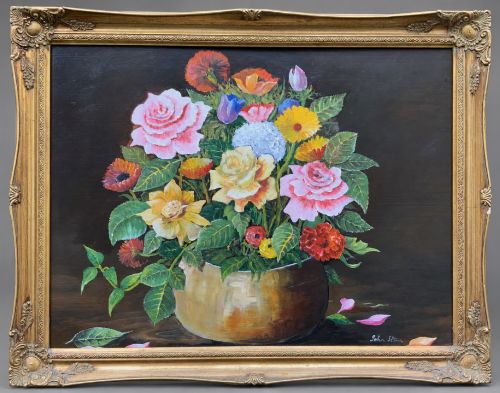
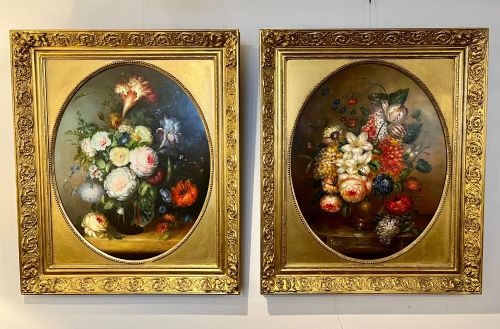
When you search for classic floral painting, you encounter a focused selection of still life artworks executed in oil paint. These pieces capture botanical subjects ranging from structured spring flowers to arranged roses.
The objects span periods from the eighteenth century through to the post-war vintage era of nineteen sixty. You will frequently find oil paintings framed alongside related decorative items such as table lamps and vases featuring floral motifs.
Originating from diverse European traditions including Dutch style, Italian baroque, and French aesthetics, these artworks demonstrate sustained attention to natural forms. The selection encompasses both intimate studies and larger framed canvases.
Materials and execution
The foundational medium for these works is oil paint applied to canvas or wood panels. Artists built up textures and colour harmonies through layered brushwork to render the precise details of petals and foliage.
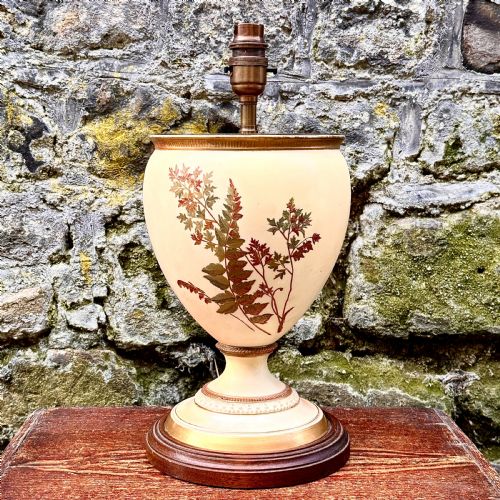
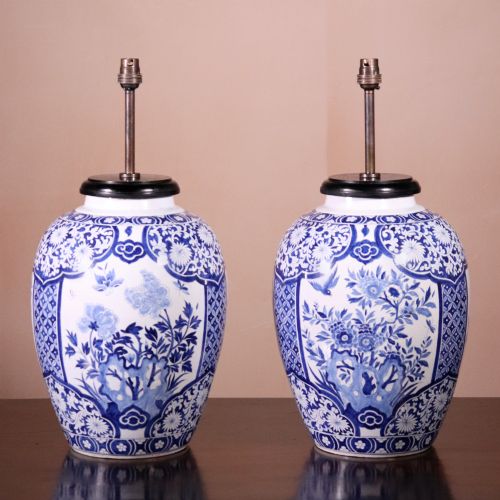
Many historical paintings are housed within giltwood or gilded wood frames that complement the composition. Related decorative objects combine porcelain and brass elements with painted floral ornamentation.
Classic Floral Painting Retail Price Guide 2026
Typical asking prices for classic floral painting among the pieces listed under this phrase on Sellingantiques today, from the lower quarter to the upper quarter. They describe what is for sale here now, not the wider market.
Listings feature oil paintings on canvas and wood alongside porcelain vases and table lamps from the eighteenth to twentieth centuries.
Assessing quality and execution
The distinction between standard works and superior examples lies in the precision of brushwork and the naturalism of the floral arrangement. Masterful handling of light and shadow defines the depth of the composition.
Preservation of the original oil paint surface and the integrity of the associated frame influence the standing of each piece. Finer examples maintain crisp detail in the rendering of individual petals and leaves.
Edward Ladell·Terence Loudon·Margaret Evangeline Wilson·Katherine Bourne·Jules Felix Ragot
The Classic Floral Painting Glossary
- Oil paint
- A slow-drying medium consisting of pigments suspended in a drying oil, typically linseed oil. This material allows artists to achieve subtle tonal gradations and rich textures.
- Still life
- A work of art depicting mostly inanimate subject matter, typically commonplace objects which may be either natural or man-made. In this context, the focus rests on arranged flowers.
- Giltwood
- Wood that has been treated with a thin layer of gold leaf or gold paint. This finish frequently adorns the frames enclosing historical paintings.
- Canvas
- A heavy woven fabric used as a surface for oil paintings. It provides a stable and textured ground for the application of paint layers.
Classic Floral Painting: Frequently Asked Questions
What periods do these paintings cover?
The available selection spans from the late eighteenth century through the nineteenth century and into the mid-twentieth century. Works include pieces from the Edwardian era and post-war vintage periods.
Each period reflects distinct stylistic approaches to botanical illustration and oil painting techniques.
How are these artworks typically framed?
Many of the oil paintings are presented in traditional giltwood or gilded wood frames. These surrounds are chosen to complement the visual weight of the canvas.
Frames often show period characteristics that align with the approximate date of the painting itself.
What subjects besides flowers appear?
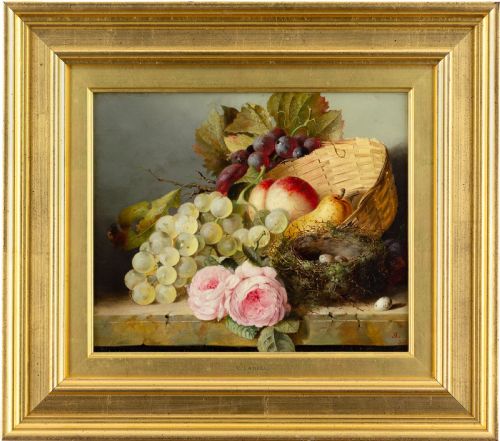
Alongside arrangements of spring flowers and roses, certain compositions incorporate fruit, wicker baskets, and bird's nests. These supplementary elements build upon traditional still life conventions.
Objects such as draped cloth are also utilised to create depth and texture within the scene.
Are there other items matching this style?
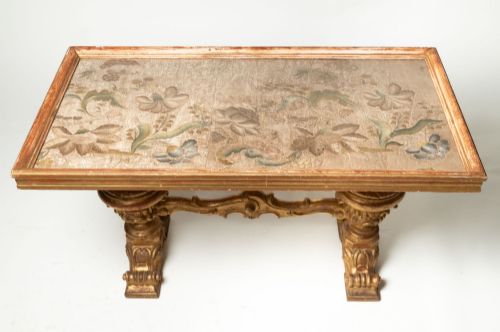
The category extends beyond flat art to include porcelain vases and table lamps decorated with floral motifs. Pieces styled after Dutch Delftware and French Sevres appear alongside the paintings.
These decorative objects share the botanical theme executed across different material mediums.