




Classic English Country Art
Classic English country art brings the quiet charm of rural landscapes and pastoral scenes straight into your home.
Classic English Country Art
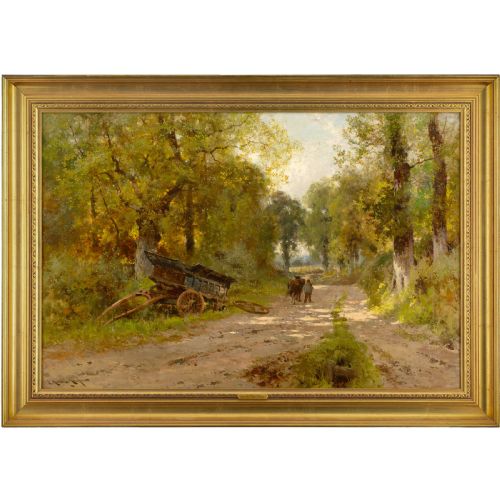
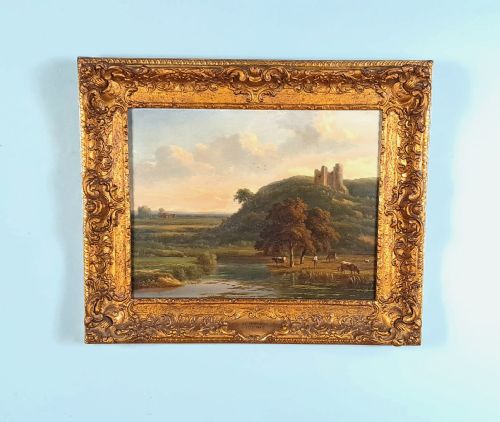
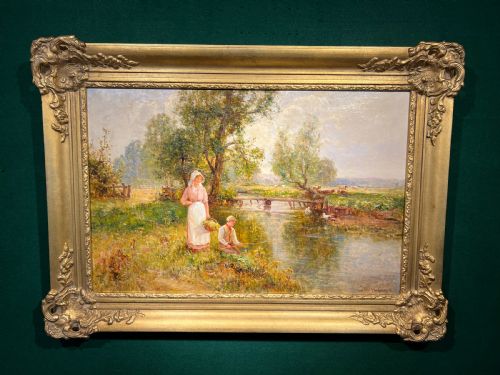
Classic English country art encompasses oil paintings, framed prints, and portraits that capture rural life, landscapes, and domestic scenes across several centuries. When searching for classic english country art, buyers encounter works ranging from Victorian pastoral oils to Georgian revival pieces and framed portrait prints. The selections span the nineteenth century up to the mid-twentieth century, offering a direct view into historical British countryside aesthetics.
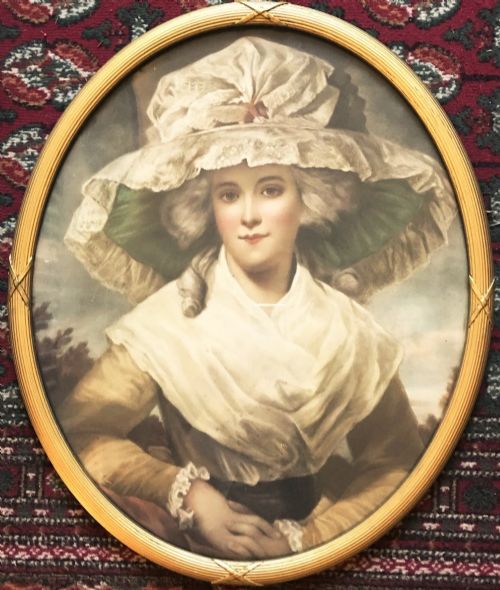
Most pieces on this page take the form of oil paintings on canvas or board, alongside glazed portrait prints depicting young subjects or family scenes. Artists record rural villages, taverns, sporting horses, and sheep resting in fields with notable realism. These artworks reflect the enduring appeal of the English countryside through varied hands and periods.
Materials and construction
Painters utilised oil on canvas and oil on board, applying pigments to capture light across landscapes and pastoral subjects. Many works are housed in wood frames, occasionally featuring gilt wood, gesso, or traditional giltwood mouldings that complement the painting style. Canvas serves as the primary support for larger oil compositions.
Framed prints employ glazing to protect paper surfaces beneath wood frames. The physical build ranges from nineteenth-century canvas stretched over wooden bars to mid-twentieth-century presentations of earlier subjects.
Classic English Country Art Retail Price Guide 2026
Typical asking prices for classic english country art among the pieces listed under this phrase on Sellingantiques today, from the lower quarter to the upper quarter. They describe what is for sale here now, not the wider market.
Judging quality in rural art
Quality rests in the precision of the brushwork and the artist's ability to render light, shadow, and depth within the landscape or portrait. Works by named nineteenth-century artists demonstrate greater finesse in composition and subject detail compared to unsigned or derivative pieces. The handling of natural elements, such as foliage, skies, and animal forms, distinguishes finer paintings.
The framing also influences the overall presentation, with period gilt wood and gesso frames offering greater integrity than later replacements. The condition of the canvas and the preservation of the original oil pigments dictate the visual impact of each artwork.
John Horace Hooper·T C Hofland·William Henry Knight·Clifton Tomson·B W Leader·A Davis·John Holland Snr
The Classic English Country Art Glossary
- Oil on canvas
- Pigments bound in a drying oil applied to a woven fabric stretched across a wooden frame. This medium allows for rich colour blending and texture.
- Gesso
- A plaster-like mixture applied to wood frames to create a smooth surface for gilding. It provides ornate detail around the perimeter of paintings.
- Victorian Realism
- An artistic movement focusing on accurate, unidealised depictions of everyday subjects and scenes. It forms a core aesthetic in nineteenth-century country art.
- Pastoral
- Art depicting rural life, shepherds, livestock, and idyllic countryside settings. These scenes romanticise agricultural existence.
- Giltwood
- Wood carved and coated with gold leaf or a gold-coloured finish. It frames many traditional paintings to enhance their presence.
Classic English Country Art: Frequently Asked Questions
What subjects appear in country art?
These works typically depict rural landscapes, village taverns, sporting horses, and sheep resting in open fields. Domestic family scenes and portraits also feature prominently.
Artists aimed to capture the atmosphere of the British countryside, recording recognizable pastoral views and everyday rural life.
How do I date an oil painting?
Dating relies on the style of clothing, framing techniques, and canvas preparation methods visible on the piece. Signatures and inscriptions on the reverse often provide specific attribution to nineteenth-century artists.
Comparing the brushwork and subject matter to known periods helps narrow down the decade of creation.
Where should I hang these paintings?
These artworks suit traditional living spaces, studies, and hallways where wooden furniture and neutral walls complement the palette. Direct sunlight should be avoided to protect the oil pigments and canvas.
Matching the frame style to existing room decor ensures the piece integrates well into domestic interiors.
What is a framed print?
A framed print is a reproduction or later representation placed beneath glass within a wooden or gilt frame. These items offer an alternative to original oil paintings while retaining classic visual themes.
Glazing protects the paper surface from dust and moisture in home environments.