


Classic Crystal Drop Chandelier
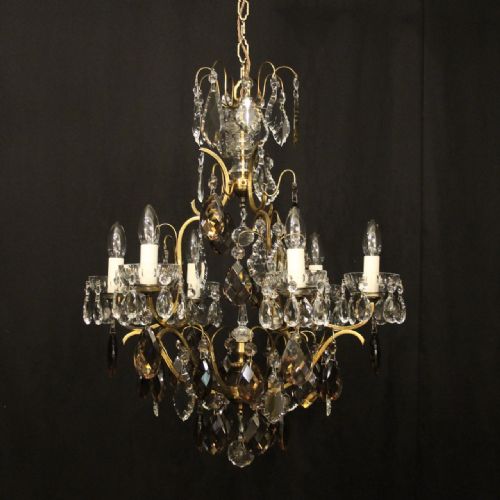
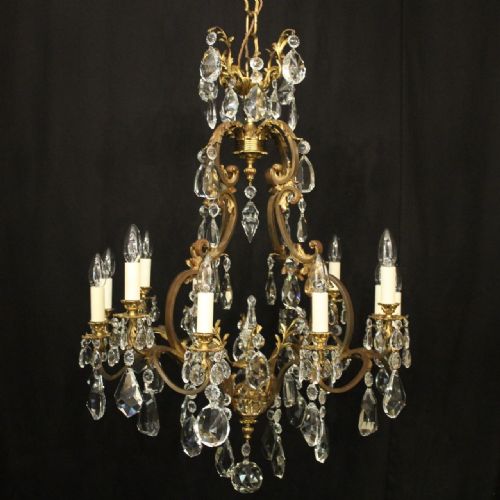
A classic crystal drop chandelier brings brilliant refraction and formal presence to a room, drawing the eye upwards with cascading prisms.
Classic Crystal Drop Chandelier
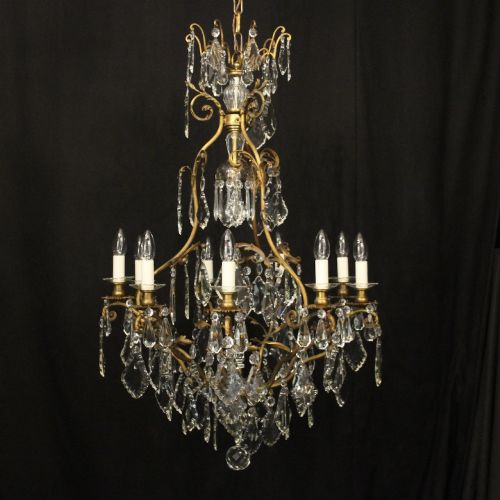
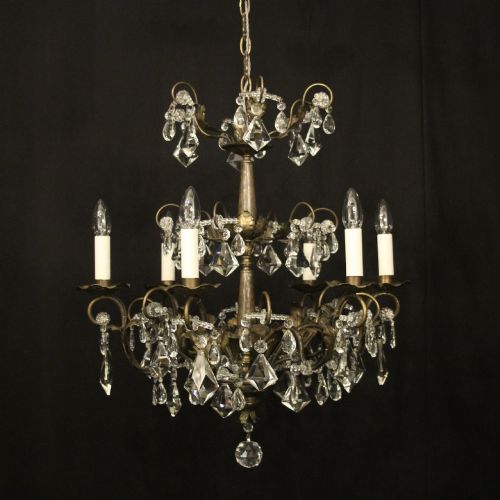
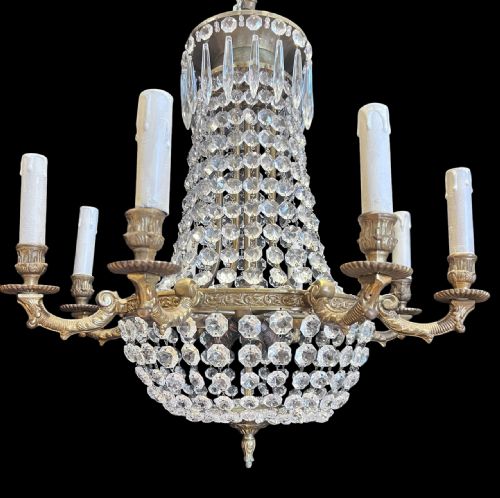
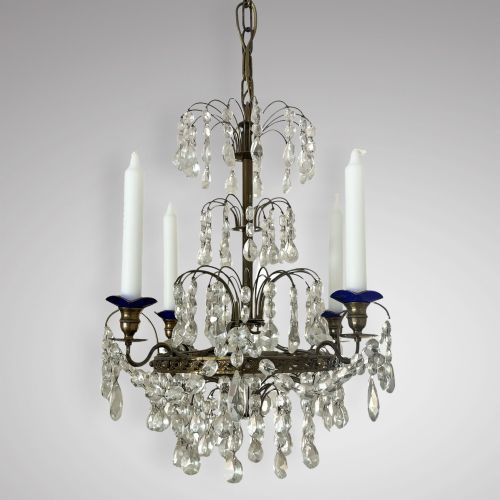
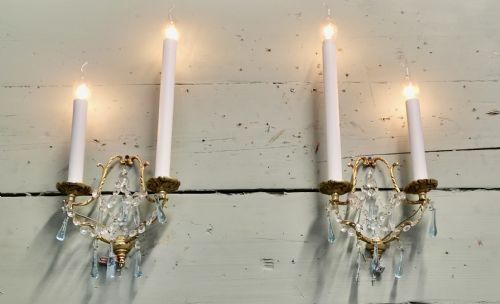
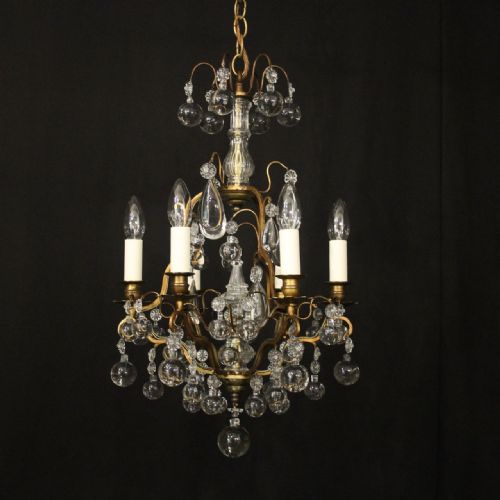
A classic crystal drop chandelier involves suspended glass or crystal elements arranged across multi-tiered frames, wall sconces, or ceiling lighting. Buyers encounter pieces spanning from the eighteenth century through the Edwardian era and into the 1920s and 1930s.
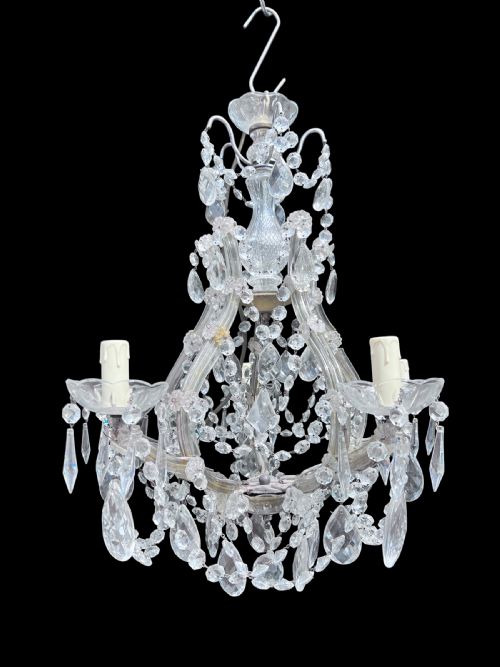
The prevailing examples on this page lean heavily towards French and Italian aesthetics, notably French Empire, Maria Theresa, and Rococo styles. These range from substantial twelve-light fixtures down to compact bag tent configurations and wall-mounted variations.
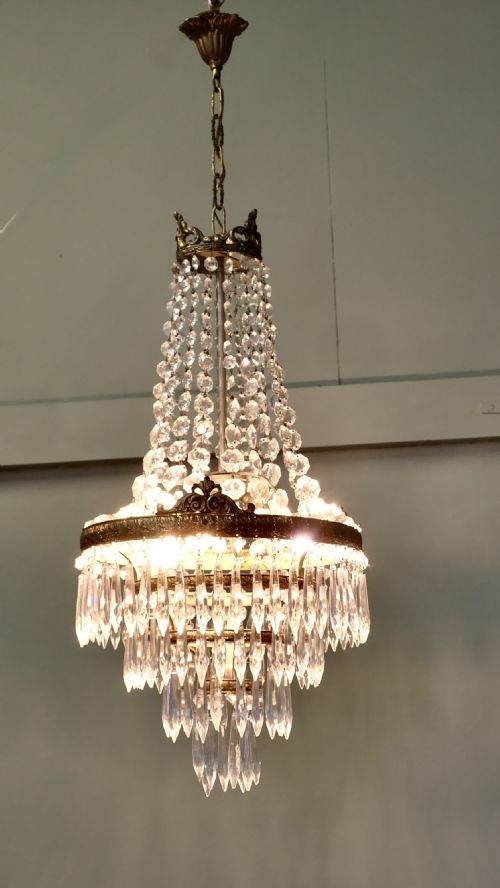
Origins stretch across specific European design traditions including Swedish Gustavian, Bohemian, and French chateau influences. Forms encompass tiered structures, tent and waterfall profiles, and simpler multi-branch candle or lamp configurations.
Materials and construction
Metal frameworks provide the structural skeleton, utilising brass, gilt metal, bronze, and silvered metal to support the heavy glass load. These metals are often gilded or cast with decorative detailing before the glass elements are wired or pinned into place.
Cut glass, crystal glass, and amethyst crystal form the dangling drops, bead strings, and central stems that define the visual output. Artisans shaped these components by hand, combining moulded glass plates with hand-cut drops designed to catch and scatter light.
The listings feature brass, bronze, and gilt metal frames dressed with cut glass, amethyst crystal, and standard crystal glass.
Distinctions in grade
The refinement of the metal casting and the depth of the gilding set superior frames apart from simpler commercial iterations. Heavier bronze or brass structures with intricate chased details indicate a higher standard of manufacture than plain stamped metal.
Clarity and cutting precision in the glass drops dictate the brilliance of the fixture. High-grade crystal exhibits sharp facets and substantial weight, whereas lower tiers employ simpler moulded glass that diffuses light with less prismatic fire.
The Classic Crystal Drop Chandelier Glossary
- Tent and waterfall
- A lighting configuration where upper glass beads form a tent shape over lower cascading drops. This arrangement creates a dense, layered curtain of glass.
- Bag tent
- A specific compact form featuring a gathering of crystal drops shaped like a small purse or bag beneath the frame. It was often utilised in smaller rooms or corridors.
- Maria Theresa
- A distinct chandelier style characterised by flat metal armbands covered in glass plaques and rosettes. Originating in honour of the Austrian empress, these pieces display a dense profusion of drops.
- Gilt metal
- A base metal treated with a thin layer of gold leaf or gilt paint to simulate solid gold. This technique provided opulent visual warmth at a more accessible cost.
- Cut glass
- Glass that has been hand-ground and polished with wheel-cut facets to enhance light refraction. The resulting sharp edges distinguish it from smooth moulded glass.
Classic Crystal Drop Chandelier: Frequently Asked Questions
How do I clean a crystal chandelier?
Cleaning requires a specialist glass cleaner and a soft cloth applied by hand to each individual drop. Many owners spray the fixture while protecting the metal and electrical components below.
Care must be taken not to twist the delicate wire pins holding the crystals in place. Regular dusting helps maintain the prismatic sparkle between deeper cleans.
Can these chandeliers be rewired for modern homes?
Most antique lighting is adapted by electricians to meet contemporary safety standards and voltage requirements. Original sockets and wiring are frequently replaced while preserving the exterior metalwork.
Professional rewiring ensures the heavy brass or bronze frame is securely anchored to the ceiling. This process does not alter the historical glass or structural configuration.
What rooms suit a bag tent chandelier?
Compact bag tent fixtures suit rooms with lower ceiling heights where larger multi-tiered chandeliers would hang too low. Their flattened profile provides focused downward illumination without dominating the space.
They frequently appear in hallways, bedrooms, or smaller reception rooms. The dense gathering of drops still delivers significant light refraction in a confined footprint.
How do I identify a Maria Theresa chandelier?
A Maria Theresa chandelier is recognised by its flat metal arms completely overlaid with shaped glass strips and decorative rosettes. The underlying bronze or brass frame remains largely hidden beneath this glass dressing.
These fixtures often feature coloured crystal accents interwoven among clear drops. They reflect a distinct Central European design tradition separate from French Empire or Rococo styles.
Are wall sconces wired the same way as ceiling lights?
Wall sconces follow standard electrical installation procedures for wall-mounted lighting fixtures. They require a secure junction box behind the backplate to support the weight of the metal and crystal branches.
Like their larger ceiling counterparts, older sconces require professional inspection of the internal wiring. This guarantees safe operation when mounted in pairs or groups.