



Classic Country Art
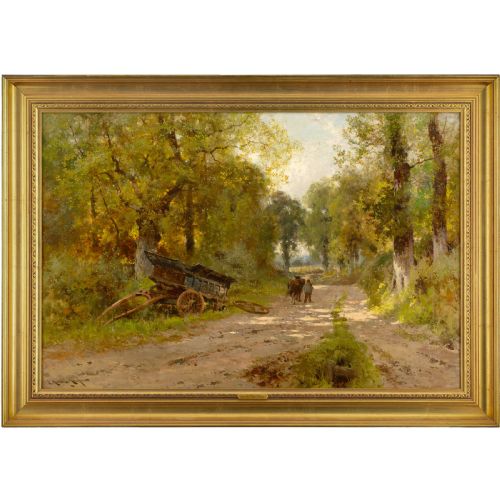
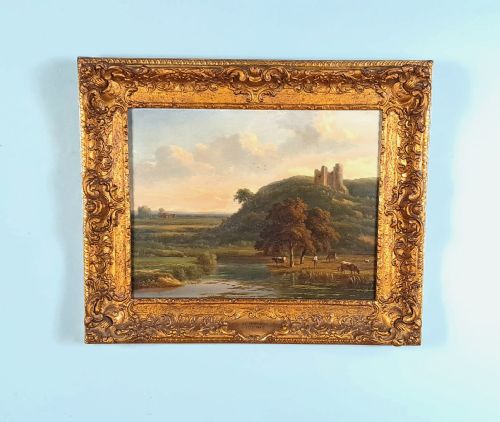
Classic country art encompasses nineteenth-century pastoral oil paintings, rustic watercolours, and framed prints capturing rural life.
Classic Country Art
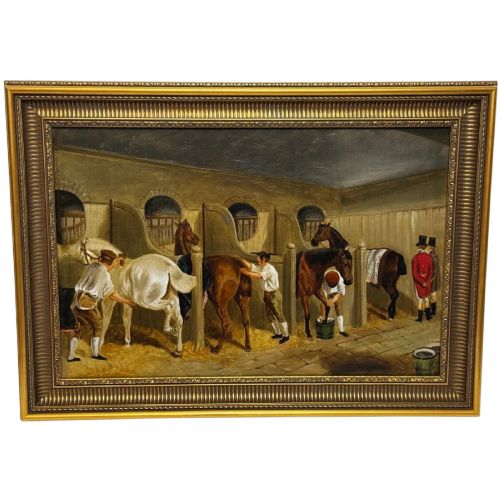
Classic country art brings nineteenth-century pastoral scenes, rural interiors, and sporting subjects directly into domestic rooms. These works capture village taverns, farmyards, and landscapes through the brush of Victorian and Edwardian painters.
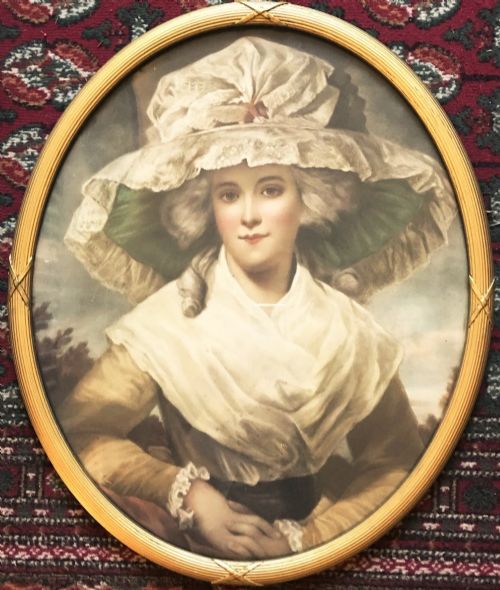
Buyers will most frequently encounter framed oil paintings on canvas and board alongside nineteenth-century engravings and watercolours. The subjects range from quiet domestic interiors and agricultural harvests to equestrian and hunting scenes set across British and European countryside.
Materials and technique
Painters utilised oil on canvas or wood panels, applying pigments to build up layered landscapes and figurative compositions. Engravings on paper offered a detailed method of reproducing hunting scenes and portraits for wider domestic display.
Framing typically involved carved wood, giltwood, and moulded gesso to house these oil paintings and watercolours securely. These traditional surrounds range from simple wooden profiles to ornate gilded ornamentation.
Classic Country Art Retail Price Guide 2026
Typical asking prices for classic country art among the pieces listed under this phrase on Sellingantiques today, from the lower quarter to the upper quarter. They describe what is for sale here now, not the wider market.
Listings feature nineteenth-century oil paintings on canvas and wood alongside paper engravings and watercolours.
Evaluating quality
Quality rests upon the skill of the brushwork and the sureness of the composition, distinguishing accomplished academic output from hurried studio copies. The handling of light and atmospheric depth in landscape and interior subjects dictates the standing of a piece.
The preservation of the original canvas, pigment stability, and the integrity of the period frame influence the overall character. Finer examples retain their original surface textures without intrusive overpainting.
The Classic Country Art Glossary
- Oil on canvas
- Pigments bound in drying oil applied to a woven fabric support stretched across a wooden frame. This method allowed artists to achieve rich colour saturation and subtle tonal gradations.
- Gesso
- A plaster-like mixture applied to wood frames to create a smooth surface for gilding. Skilled artisans moulded this material into decorative reliefs before applying gold leaf.
- Watercolour
- Pigments suspended in a water-soluble vehicle applied to paper. This medium produces translucent washes favoured for lighter rural sketches and botanical studies.
- Engraving
- An intaglio printing method where lines are cut into a metal plate with a sharp tool. Ink is held in these grooves and transferred under pressure to paper.
Classic Country Art: Frequently Asked Questions
What periods do these rural paintings cover?
The works span primarily from the nineteenth century into the early twentieth century, capturing Victorian and Edwardian artistic tastes.
Earlier examples from the eighteenth century appear alongside later revival pieces, reflecting enduring rural themes.
How should I hang these framed works?
Ensure paintings and engravings hang away from direct sunlight and damp walls to protect the canvas and paper.
Select a sturdy wall fixing suited to the weight of the traditional wood and gesso frames.
Are these works signed by the artists?
Many oil paintings and watercolours feature artist signatures or studio attributions recorded directly on the canvas or board.
Unsigned pieces are often attributed to specific regional schools based on style, technique, and subject matter.
What subjects are most common?
Landscapes, agricultural harvest scenes, and village tavern views dominate the available rural paintings.
Equestrian portraits, sporting dogs, and quiet country house interiors also feature prominently within the collection.