


Classic Column Desk Light
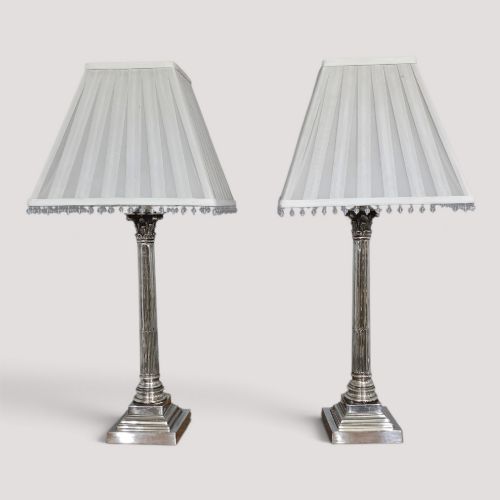
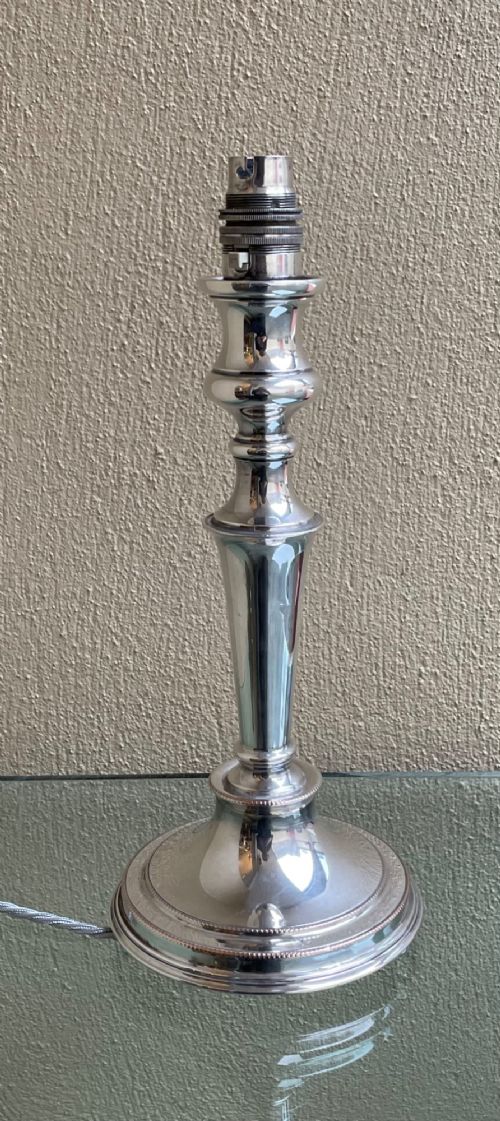
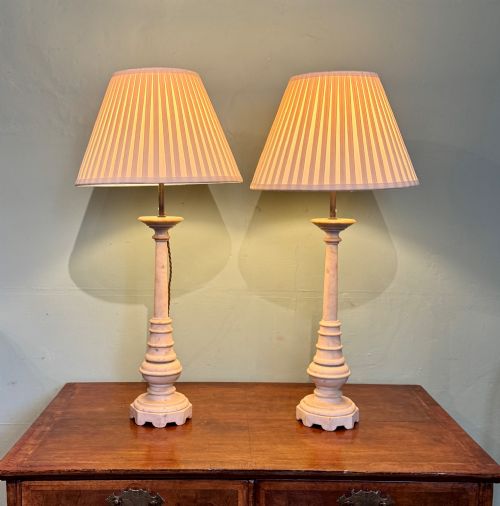
These classic column desk light pieces bring architectural dignity and steady task illumination to a study through heavy cast brass, marble, and silver plate.
Classic Column Desk Light
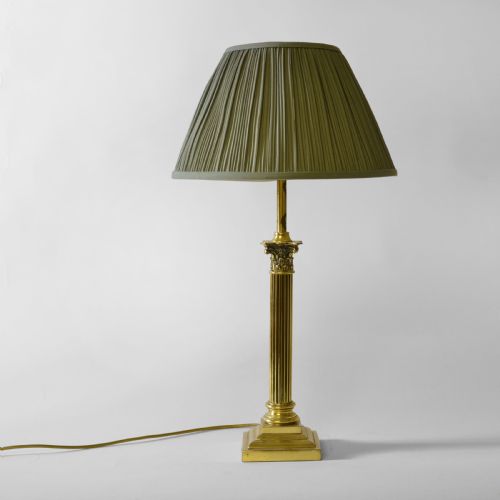
When you search for a classic column desk light, you encounter table lamps, converted oil lamps, and candlesticks that draw upon classical architectural orders. The versions you are most likely to meet on this page date from the nineteenth and early twentieth centuries, spanning the Victorian, Edwardian, and George V periods.
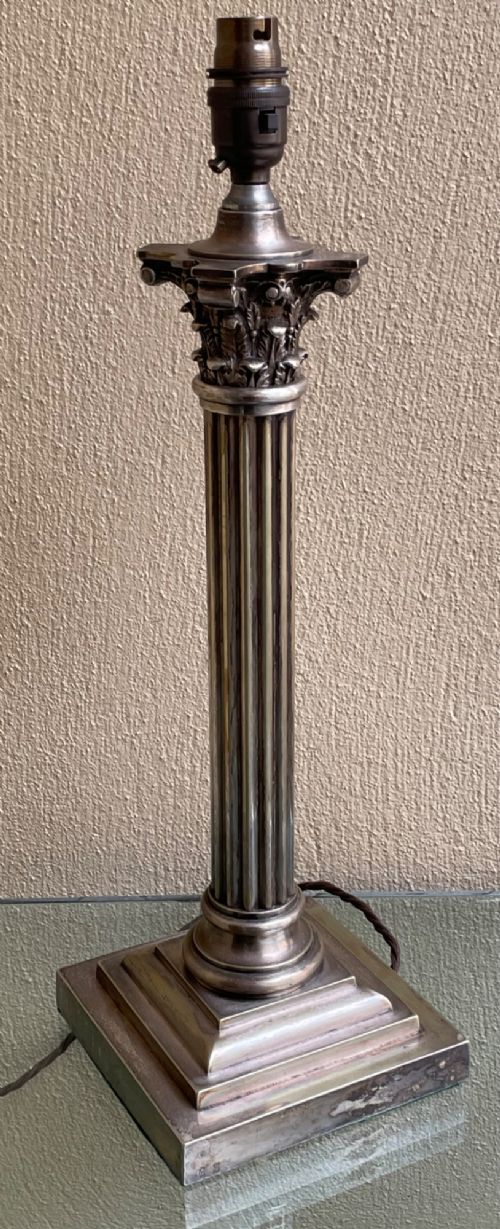
Makers often utilised traditional forms such as the Corinthian or obelisk column, mounting them on robust bases of brass, marble, or porcelain de Paris. These objects bridge the gap between utilitarian desk lighting and decorative sculpture, reflecting Neoclassical and Art Deco design revivals.
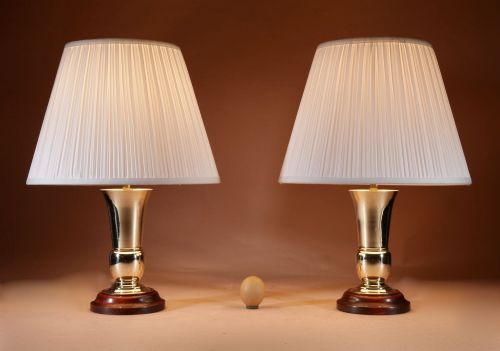
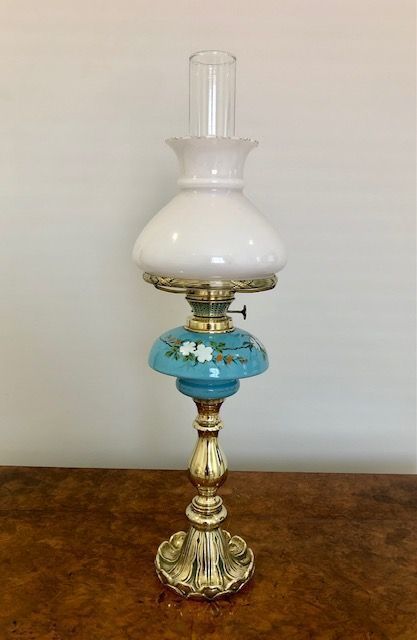
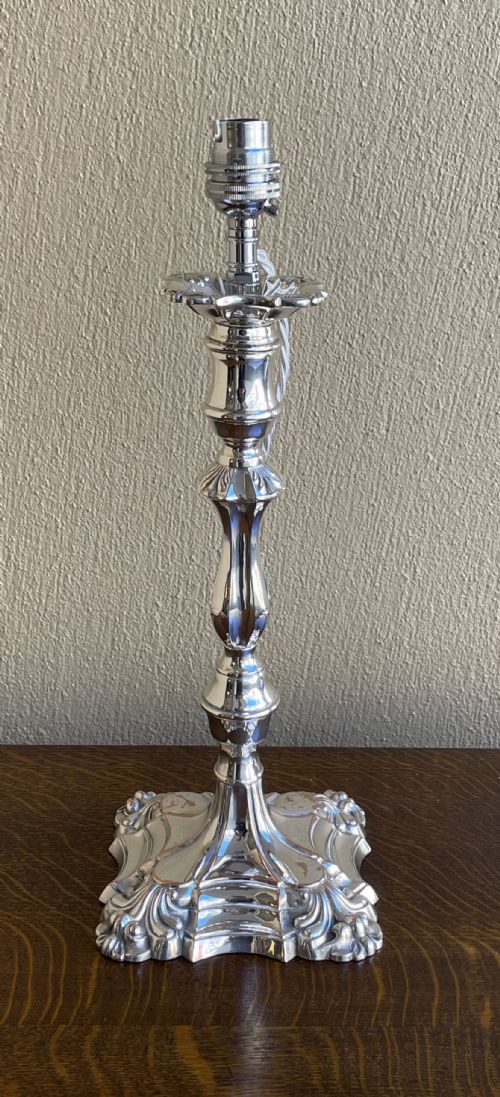
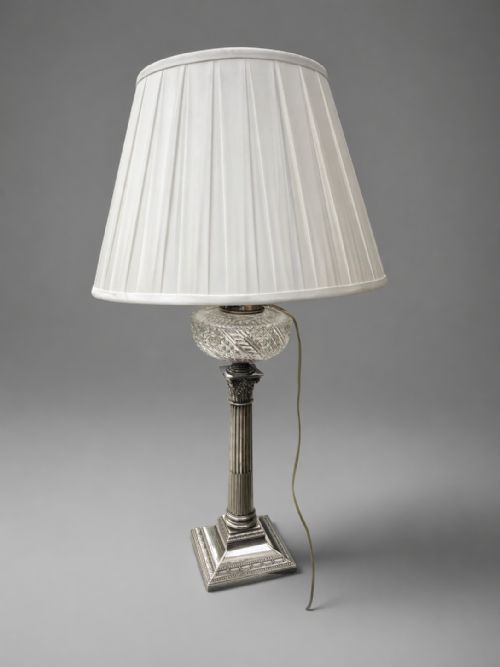
The selection here encompasses straightforward metal castings alongside more elaborate pieces featuring opaline glass, fabric shades, and silver plate. Each example serves the dual purpose of providing focused illumination and anchoring a room with period character.
How they were made
Foundry work forms the backbone of these pieces, utilising cast brass, bronze, and silver plate to build rigid, weighty shafts. Craftsmen turned and chased the metal components to create crisp fluting and detailed capital orders.
Where glass and ceramics enter the construction, opaline glass, white marble, and biscuit porcelain provide contrasting textures and solid counterweights. Metal mounts and collars secure these fragile elements to the main column structure.
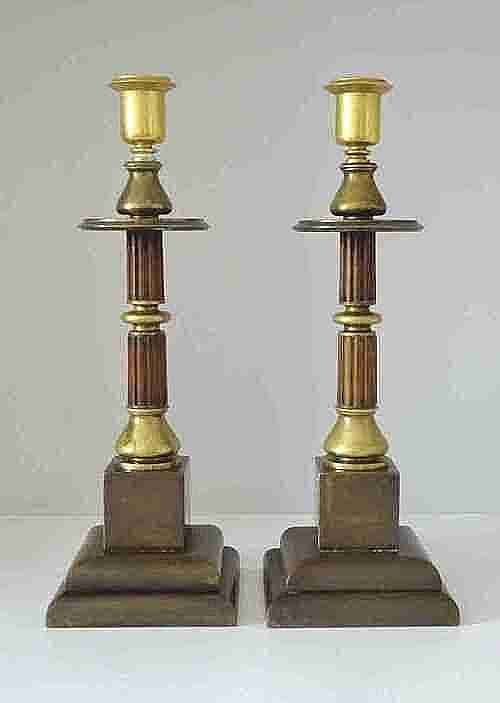
Several columns started their working lives burning oil or holding candles before retiring into the electric age.
What varies in quality
The division between ordinary and superior pieces rests upon the crispness of the casting and the thickness of the metal used in the column. Heavier gauges of solid brass and deeply chased acanthus leaves on a Corinthian capital signal a higher grade of manufacture.
Materials also dictate the tier of the object, with solid silver plate, genuine marble, and fine porcelain de Paris sitting above standard brass fabrications. The integrity of the original mounts and the weight of the base determine the overall stability and presence of the piece.
The Classic Column Desk Light Glossary
- Corinthian column
- A classical architectural support featuring an ornate capital decorated with rows of acanthus leaves. This motif appears frequently on nineteenth-century brass lamps.
- Opaline glass
- A dense, translucent milk glass popular in the Victorian era for diffusing light softly. It is often paired with gilt brass mounts.
- Silver plate
- A thin layer of silver fused to a base metal core such as copper or brass. It offers the appearance of solid silver while maintaining structural rigidity.
- Porcelain de Paris
- Hard-paste porcelain produced by various independent workshops in Paris during the eighteenth and nineteenth centuries. It provides a smooth, decorative plinth or body for desk lights.
- Obelisk
- A tall, four-sided, narrow tapering monument that ends in a pyramid-like shape at the top. Some Edwardian desk lamps adopt this geometric form in solid brass.
Classic Column Desk Light: Frequently Asked Questions
Are these lamps safe for modern desks?
Most antique lighting requires professional rewiring to meet current electrical standards before daily use. A qualified electrician can easily update the internal cord without altering the exterior brass or marble structure.
Once updated, these heavy columns provide stable, focused illumination that suits modern workspaces just as well as nineteenth-century reading rooms.
How can I tell a Victorian lamp from an Edwardian one?
Victorian examples often lean heavily into ornate Neoclassical revival styles with deep chasing and heavy bronze or brass castings. They frequently start life as oil lamps before later conversion to electricity.
Edwardian and George V pieces tend to introduce cleaner geometric lines, sometimes incorporating Art Deco motifs, lighter silver plate, or porcelain elements like biscuit and opaline.
Can I use standard lampshades with these columns?
Many of these pieces accept standard shade fitters, though the appropriate shade style depends on the specific column height and diameter. Slender obelisk and Corinthian designs pair best with proportionate fabric shades that do not overwhelm the metal base.
Some opaline glass versions require specific fitter sizes or galleries to secure the shade properly to the top of the lamp.