






Classic Candle Sticks
Classic candle sticks hold light with quiet dignity, bringing solid weight and genuine period character to a room.
Classic Candle Sticks
Classic candle sticks are lighting pieces designed to hold taper candles securely, featuring stems rising from stable bases. Collectors searching this phrase encounter examples ranging from simple domestic holders to grander table pieces.
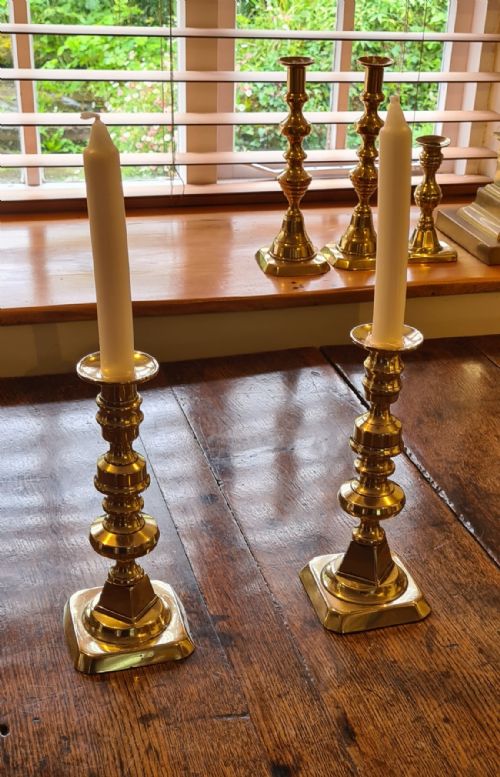
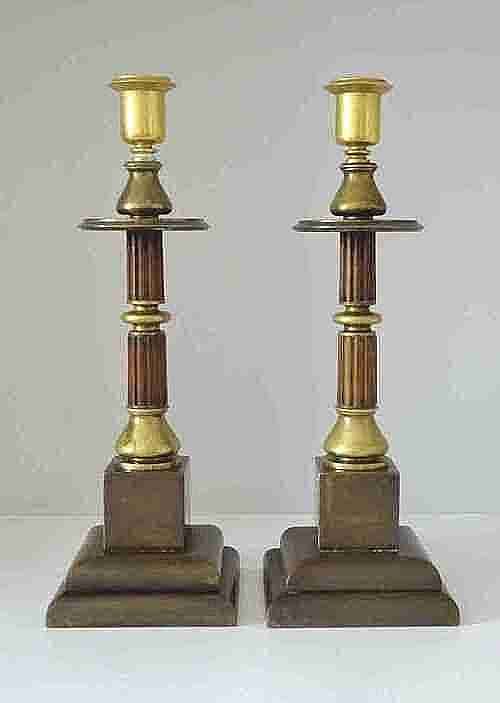
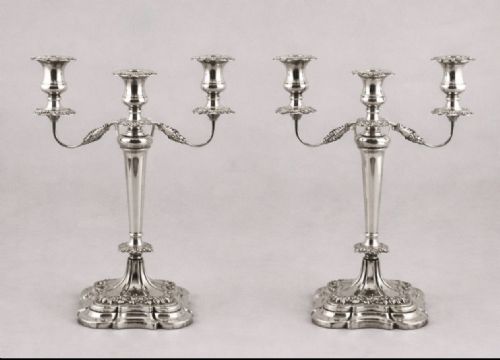
The selection on this page centres on sturdy metals and warm timbers rather than fragile ceramics. Brass dominates the offerings, alongside bronze, silver plate, sterling silver, copper, paktong and mahogany.
Forms stretch across multiple eras, including Georgian, 18th century, Edwardian, Victorian and mid-twentieth century designs. Buyers find both single items and matched pairs suitable for mantelpieces and dining tables.
Construction and materials
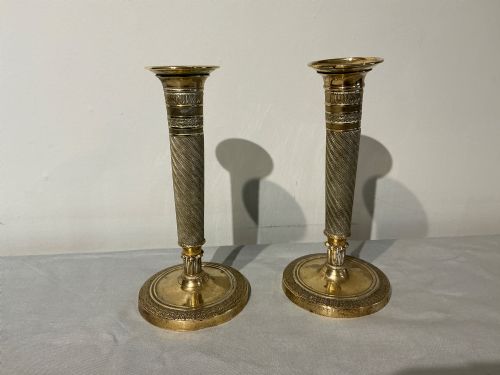
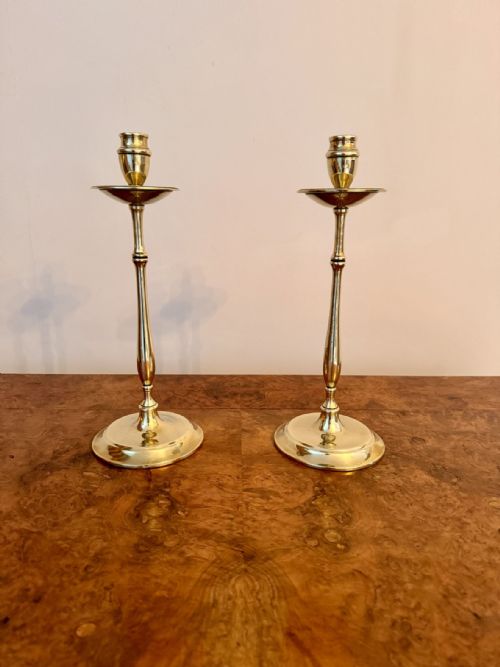
Metal examples often utilise traditional casting and seaming techniques to join the base, stem and sconce securely. Ejector mechanisms inside brass stems allow users to push up remaining wax remnants easily.
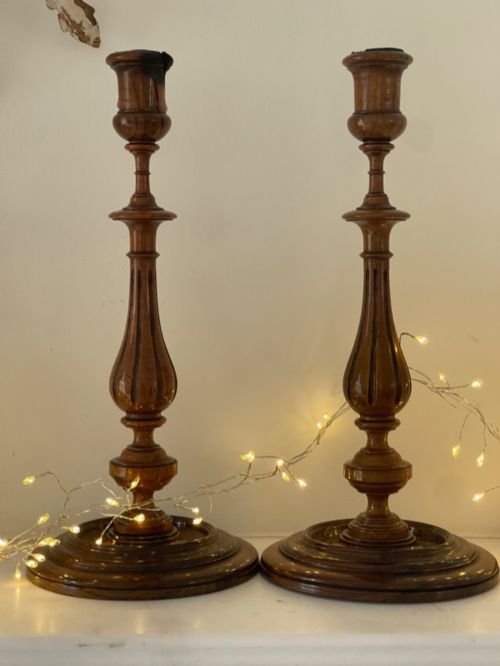
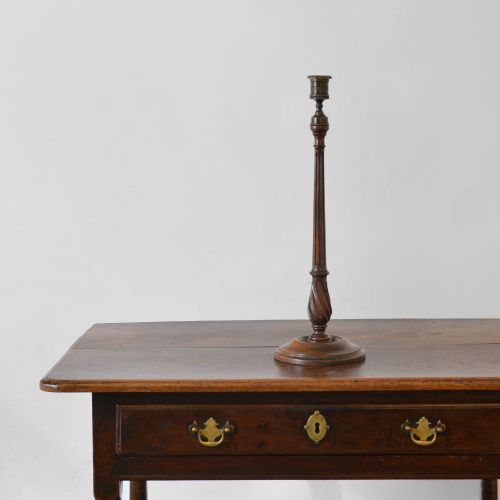
Turned mahogany pieces rely on skilled woodwork to shape the timber into tall, slender profiles. Paktong, an early zinc-copper-nickel alloy, provides a bright, silver-like finish without plating.
Classic Candle Sticks Retail Price Guide 2026
Typical asking prices for classic candle sticks among the pieces listed under this phrase on Sellingantiques today, from the lower quarter to the upper quarter. They describe what is for sale here now, not the wider market.
Clever internal ejector levers save owners from digging out stubborn wax stubs with a knife.
Assessing quality
Subtle differences in proportions and casting crispness separate ordinary examples from finer specimens. Heavier metals and well-balanced petal or square bases indicate superior craftsmanship and stability.
Original components, such as matching push-up mechanisms in brass pairs or intact silver plating, elevate the desirability of a piece. Cleanly turned mahogany grain and precise joinery distinguish better woodwork.
The Classic Candle Sticks Glossary
- Ejector
- A built-in internal mechanism found in brass candlesticks that pushes out the candle stump. This clever addition makes cleaning out old wax much simpler.
- Paktong
- A Chinese alloy of copper, nickel and zinc imported to Europe during the eighteenth century. It mimics the appearance of silver while offering robust durability.
- Sconce
- The upper cup or nozzle of a candlestick designed to catch dripping wax and hold the candle upright. Its depth ensures the light stays secure during use.
- Petal base
- A scalloped foot design resembling unfolding flower petals, popular on Georgian brass candlesticks. This shaping adds ornamental weight to the base.
Classic Candle Sticks: Frequently Asked Questions
How do I clean brass candlesticks?
Use a soft cloth and mild soapy water to remove surface dust without disturbing the aged patina. Avoid harsh chemical polishes that strip away the character built over centuries.
Dry the metal thoroughly after cleaning to prevent water spots. Gentle care preserves the historical finish of the piece.
What is paktong metal?
Paktong is a historic alloy containing copper, nickel and zinc, valued for its bright, silvery appearance. It was frequently used to create high-end lighting in the eighteenth century.
Its resistance to tarnishing made it a favored alternative to sterling silver. Today, paktong pieces are prized for their distinct metal tone.
How do I date an antique candlestick?
Examine the base style, manufacturing method and metal composition for clues to the period. Georgian pieces often feature heavy casting, petal bases or seamed construction.
Later Victorian and Edwardian examples introduce different alloy mixes and stylistic revivals. Comparing proportions helps determine the likely era of manufacture.