





Classic Candle Stands
Classic candle stands bring warmth to a room, taking the form of brass candlesticks, mahogany tables and silver-plated lamps spanning several centuries.
Classic Candle Stands
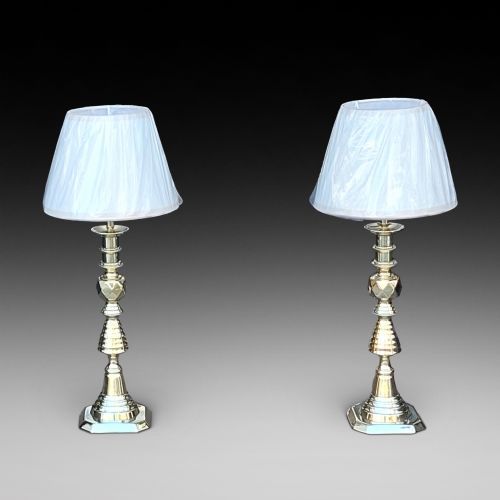
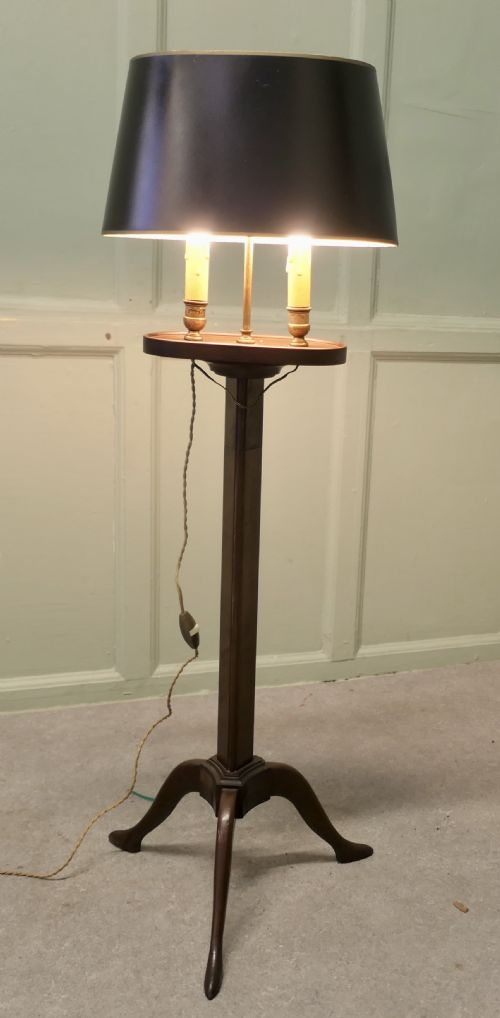
Classic candle stands encompass tall floor lamps, bouillotte lamps, occasional tables, and traditional candlesticks designed to support lighting in domestic spaces. The selection ranges from eighteenth-century specimens to Edwardian and Victorian creations.
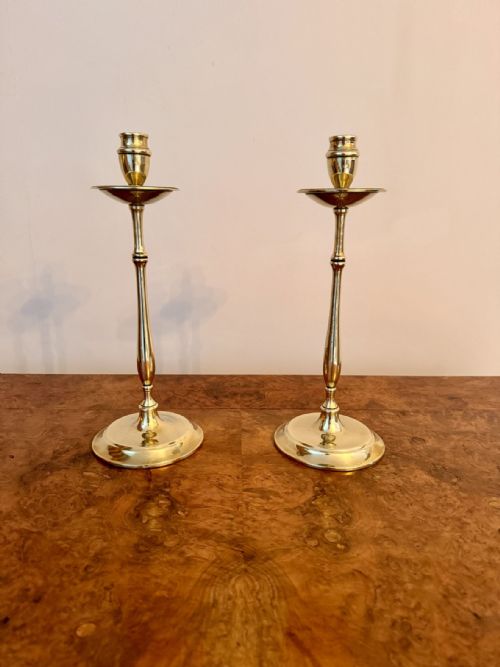
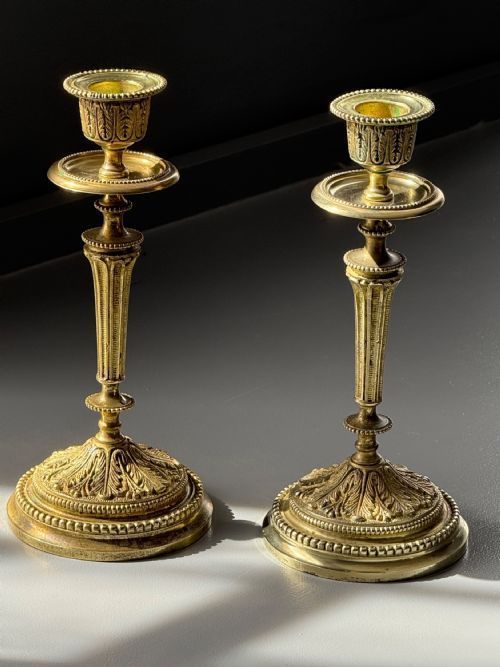
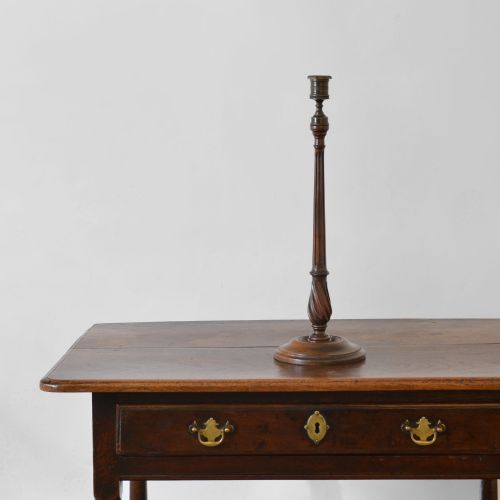
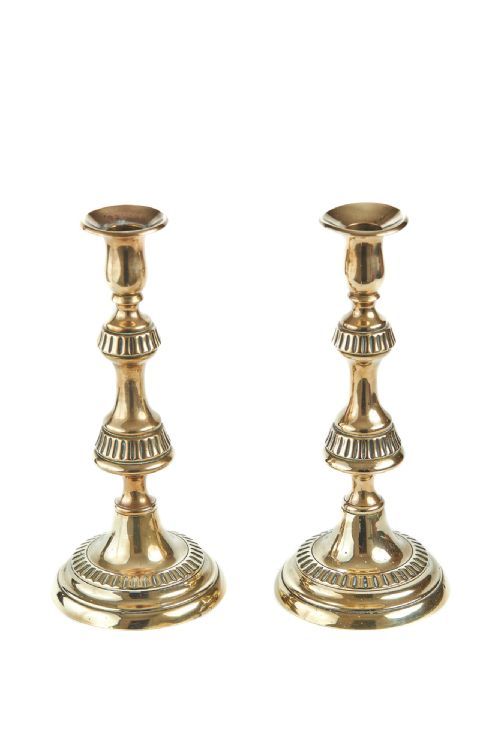
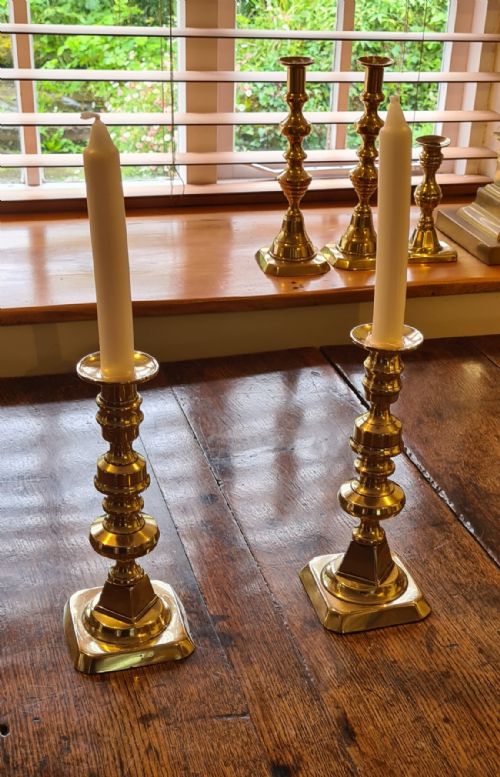
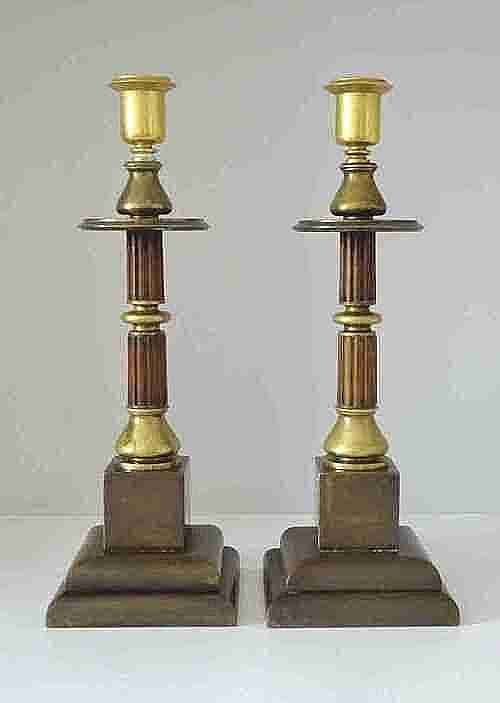
The most common form met on this page is the pair of brass candlesticks, appearing across multiple eras including Georgian, Victorian, and Edwardian periods. These domestic objects often feature seamed construction, ejector mechanisms, or decorative twist columns.
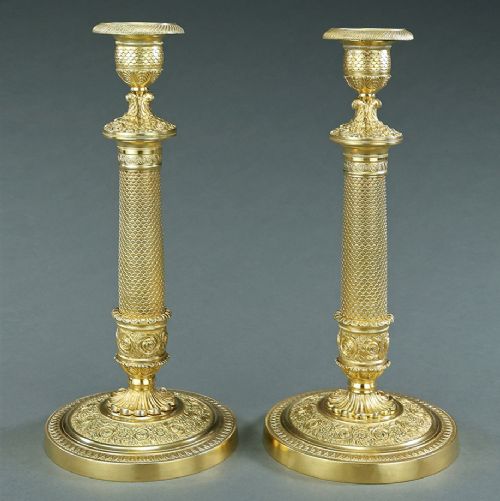
Alongside upright candlesticks, the evidence includes mahogany tripod tables and occasional furniture adapted for lamps, alongside continental silver-plated and gilt bronze candelabras in Louis XVI and French Empire styles.
Materials and construction
Brass dominates the construction of these items, shaped through casting, turning, and seaming techniques during the eighteenth, nineteenth, and early twentieth centuries. Makers utilised metals such as bronze, ormolu, paktong, and sterling silver alongside solid mahogany and walnut timbers.
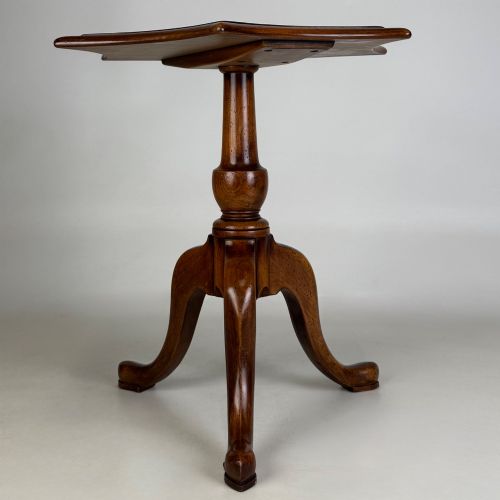
Wooden items employ joinery techniques suited for tripod tables, featuring snap-top mechanisms and star-shaped tops. Metal components demonstrate turning on lathes and assembly from multiple cast sections.
Classic Candle Stands Retail Price Guide 2026
Typical asking prices for classic candle stands among the pieces listed under this phrase on Sellingantiques today, from the lower quarter to the upper quarter. They describe what is for sale here now, not the wider market.
Listings span periods from 1750 through the Georgian, Victorian, Edwardian, and Regency eras, utilising materials including mahogany, walnut, brass, bronze, and silver.
Factors of quality
The distinction between ordinary and superior examples lies in the weight of the metal, the crispness of cast ornamentation, and the preservation of original surfaces. Heavy gauge brass and finely chased gilt bronze represent higher standards of production.
Proportion and structural integrity separate standard utility pieces from finer examples, particularly in turned wooden shafts and tripod bases where balanced turning and stable joints matter.
The Classic Candle Stands Glossary
- Ejector candlestick
- A candlestick fitted with an internal mechanism to push out the remaining candle stump. This device appears frequently in nineteenth-century brass examples.
- Paktong
- A copper-nickel-zinc alloy resembling silver, utilised in eighteenth-century metalware for candlesticks and decorative items. It offers a bright finish similar to sterling silver.
- Bouillotte lamp
- An adjustable lighting fixture featuring a central column with multiple arms and a shade. These items originated in France for card games.
- Tripod table
- A small occasional table supported by three legs radiating from a central pillar. These pieces often incorporate mahogany or walnut timber.
- Ormolu
- Gilded bronze ornamentation applied to furniture and lighting fixtures during the eighteenth and nineteenth centuries. The technique involves mercury gilding.
Classic Candle Stands: Frequently Asked Questions
How do I date a brass candlestick?
Dating relies upon manufacturing methods, base shapes, and sleeve construction. Early pieces often show seamed construction and petal bases.
Later Victorian and Edwardian examples transition to machine-threaded components and heavier solid castings.
What is an ejector mechanism?
An ejector mechanism uses an internal sliding stem operated by a small side thumbpiece to raise and remove old candle wax.
This practical addition saved time during daily household maintenance in the eighteenth and nineteenth centuries.
Are these items made of solid brass?
The listings include solid brass, seamed brass construction, and weighted bases designed for stability. Metal thickness varies according to the period of manufacture.
Earlier eighteenth-century items often employ distinct metal alloys such as paktong alongside traditional brass.
How do I use tripod table stands?
Tripod tables serve as occasional furniture, side tables, or plant stands in traditional and modern interiors. Some examples feature snap-top mechanisms for storage.
Their compact footprints make them suitable for placing beside seating areas.