



Classic Button Sofa
A classic button sofa brings deep tufted comfort and traditional character to a room, led by the enduring appeal of leather Chesterfields.
Classic Button Sofa
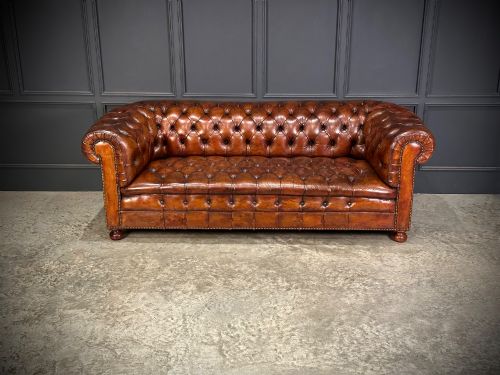
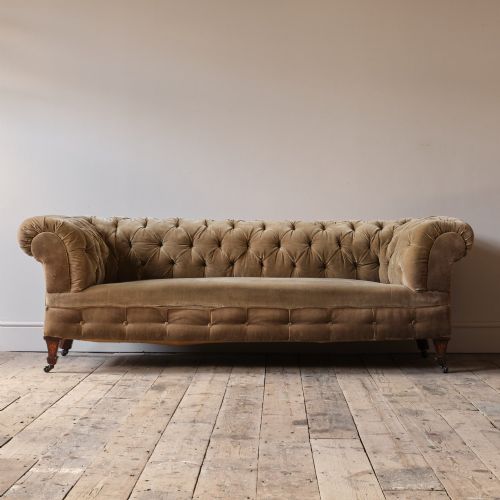
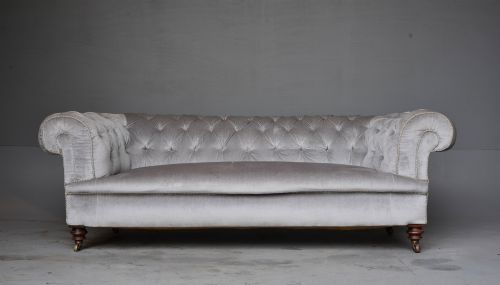
When you search for a classic button sofa, you encounter deep tufting, rolled arms, and substantial seating built for reception rooms and studies. These forms span Victorian origins through to the early twentieth century, taking the shape of traditional Chesterheads, settees, and lounge suites.
The versions most frequently met on this page are nineteenth-century and 1930s leather Chesterfields alongside buttonback pieces from the Edwardian period. They appear in rich colourways including whiskey brown, aubergine, and British racing green, reflecting both original hides and later restorations.
Beyond standard two and three-seater sofas, the listings include occasional French provincial couches and matching three-piece suites complete with armchairs. Each object retains the characteristic low back and sprung construction that defines the traditional English seating tradition.
Materials and construction
The underlying frames utilise hardwood and mahogany timber, providing a rigid structural skeleton capable of supporting heavy daily use. Metal coil springing and traditional horsehair stuffing deliver the resilient support inside the seat and back.
Upholstery relies heavily on hand-dyed leather secured by individual brass buttons forming the deep tufted pattern. Selected examples incorporate specialised hides such as Alpha Romeo leather during later upholstery work.
Classic Button Sofa Retail Price Guide 2026
Typical asking prices for classic button sofa among the pieces listed under this phrase on Sellingantiques today, from the lower quarter to the upper quarter. They describe what is for sale here now, not the wider market.
Listings feature Victorian and 1930s periods, using leather, velvet, mahogany, and brass.
Assessing the range
Quality separates through the integrity of the internal stuffing and the condition of the leather hide. Pieces retaining original horsehair filling and period leathers present a more authentic character than those with modern synthetic replacements.
The precision of the deep buttoning and the robustness of the hardwood frame dictate the enduring stability of the sofa. Maker attribution, such as work by Robert Strahan and Co or Howard and Sons, elevates an example above anonymous workshop output.
Robert Strahan and Co·Howard and Sons
The Classic Button Sofa Glossary
- Chesterfield
- A traditional sofa style characterised by low rolled arms and deep button tufting across the back and seat. It remains a cornerstone of British seating design.
- Buttonback
- Upholstery technique where buttons are pulled deep into the padding to create a diamond pattern and secure the internal stuffing. This method ensures the padding stays evenly distributed.
- Horsehair
- Traditional stuffing material gathered from the manes and tails of horses, valued for its resilience and breathability. It provides long-lasting support within antique upholstery.
- Coil springing
- A network of steel springs tied together within the frame to distribute weight evenly across the seat base. This technique emerged to enhance comfort in nineteenth-century seating.
Classic Button Sofa: Frequently Asked Questions
How do I care for antique leather?
Antique leather requires regular dusting with a soft cloth and occasional treatment with appropriate leather balms to prevent drying. Avoiding direct sunlight and heat sources preserves the natural oils in nineteenth-century hides.
Hand-dyed leathers, particularly those with restored finishes, benefit from gentle handling to maintain their distinct patination and colour depth over years of use.
Are these sofas comfortable for daily lounging?
These sofas provide firm, supportive seating due to traditional coil springing and dense horsehair stuffing. The upright backs and scroll arms encourage a structured posture rather than deep sinking.
Over decades of use, the internal suspension adapts to create a supportive seat that remains practical for everyday living rooms and studies.
How do I date a buttoned sofa?
Dating relies on examining the frame timber, the style of the feet, and the materials used in the internal stuffing. Victorian examples typically feature mahogany frames and traditional hand-tied coil springs.
Later pieces from the 1930s often incorporate distinct hand-dyed finishes and altered proportions influenced by Art Deco or traditional English club chair designs.