



Classic Brown Side Table
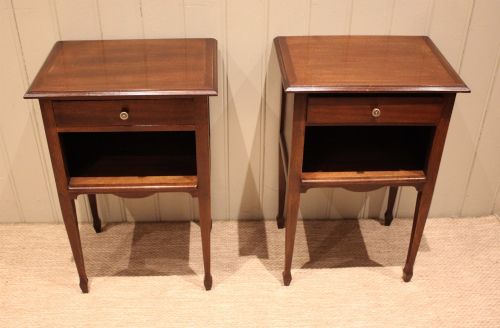
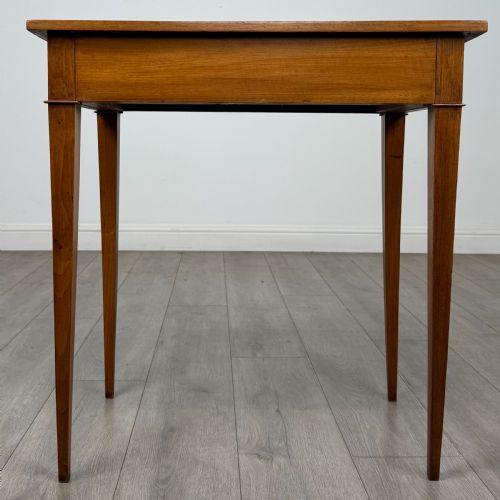
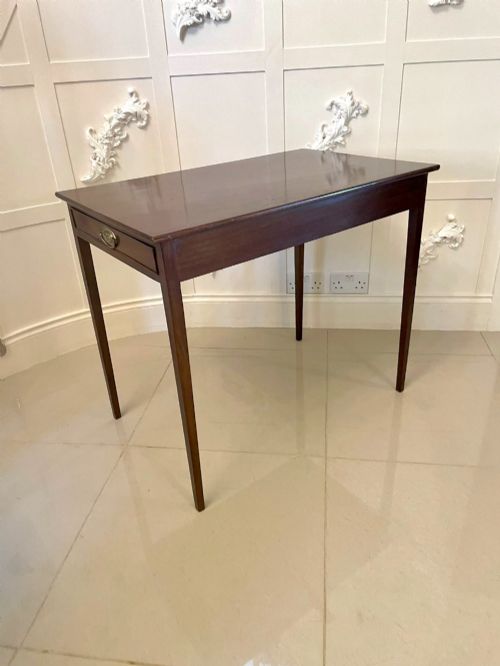
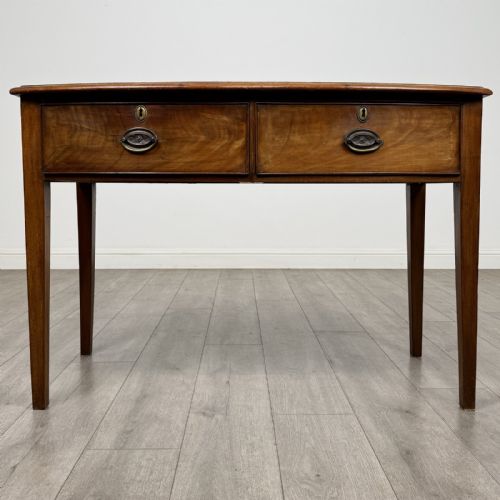
These classic brown side table pieces bring dark timber warmth and practical surface space into a room, offering the exact proportions needed beside a chair or sofa.
Classic Brown Side Table
When you search for a classic brown side table, you encounter a varied selection of dark wood furniture spanning multiple centuries. These pieces appear in forms such as occasional tables, lamp tables, bedside tables, and nests of tables.
What varies in quality
The standard of a piece rests upon the crispness of its timber carving, the depth of its polished finish, and the selection of figured wood grain. Superior examples display thoughtful proportions and harmonious inlay work.
Construction methods also distinguish finer items, noting how tightly joints fit and how smoothly drawers or drop leaves operate. The integrity of the original timber surface dictates the character of the piece.
Classic Brown Side Table Retail Price Guide 2026
Typical asking prices for classic brown side table among the pieces listed under this phrase on Sellingantiques today, from the lower quarter to the upper quarter. They describe what is for sale here now, not the wider market.
Many a Victorian card player relied on a sturdy snap-top table to vanish the evidence when the evening ended.
Epstein and Co
The Classic Brown Side Table Glossary
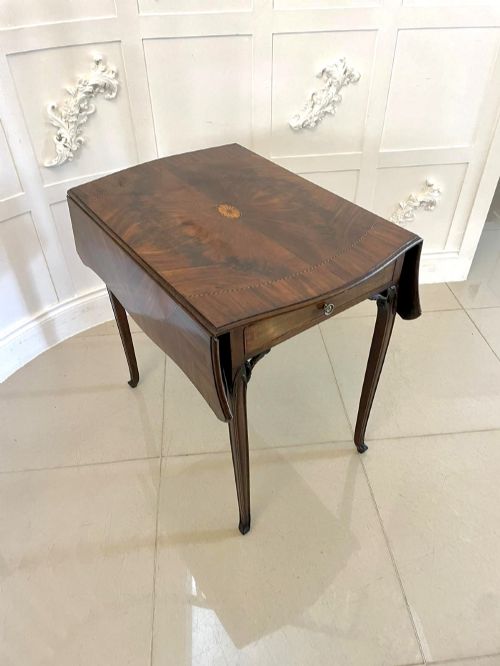
- Pembroke table
- A small table with hinged flaps on either side that can be raised or lowered to adjust the surface area. These often include a single drawer.
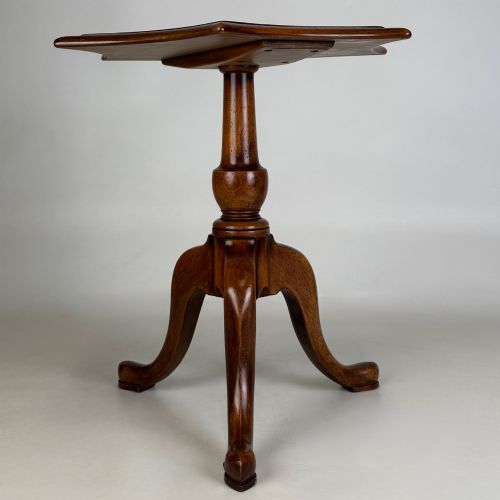
- Tripod table
- A small occasional table supported by a central pillar resting on three legs. They frequently feature tilt-tops.
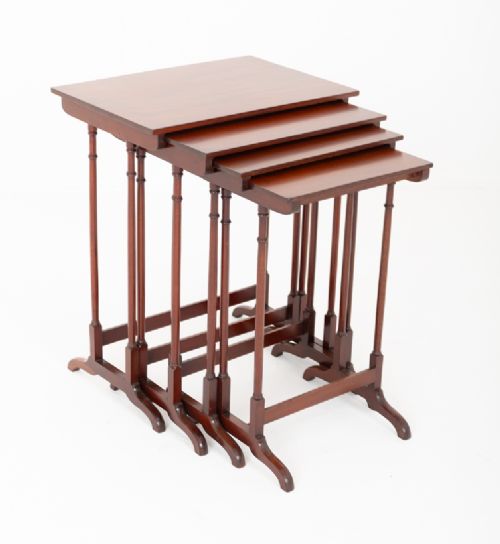
- Nest of tables
- A set of graduated tables designed to fit neatly beneath one another when not in use. They appeared frequently in Edwardian and later periods.
- Console table
- A table designed to be fixed against a wall, sometimes supported by front legs or brackets. They often appear in pairs within formal rooms.
- Gateleg table
- A table with hinged leaves supported by legs that swing out like a gate. This form allows the table to expand significantly from a compact footprint.
Classic Brown Side Table: Frequently Asked Questions
Where should I place a side table?
These tables fit naturally beside seating areas to hold lamps, drinks, or books within easy reach. They also function well against hallway walls or as bedside surfaces.
Their compact footprints allow them to slip into awkward corners where larger furniture cannot go.
How do I identify a Georgian side table?
Georgian pieces typically display straightforward mahogany construction with attention to timber grain and proportion. Look for details such as tapered legs or subtle inlay work.
Earlier examples often show hand-cut joinery and solid timber construction characteristic of the eighteenth century.
What is a Pembroke table used for?
A Pembroke table provides a flexible surface through its drop leaves, which lift up when extra space is needed. Historically utilised for writing or light dining, they fit easily beside a sofa.
Lowering the flaps reduces the table footprint significantly for tighter spaces.
How do I care for mahogany furniture?
Keep wooden surfaces away from direct heat sources and strong sunlight to prevent the timber from drying out or fading. Regular dusting with a soft cloth maintains the polished finish.
Occasional application of appropriate wax nourishes the grain without building up heavy residues.