




Classic Brown Cabinet
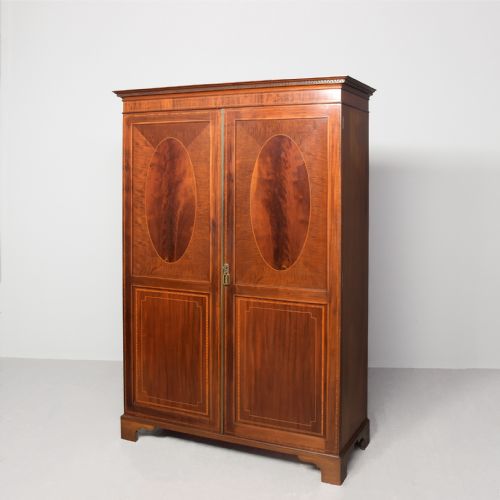
A classic brown cabinet brings rich timber tones and enduring practicality to a room, offering storage built from figures like mahogany and satinwood.
Classic Brown Cabinet
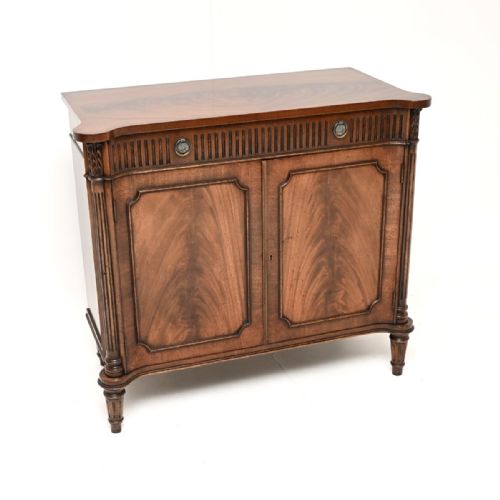
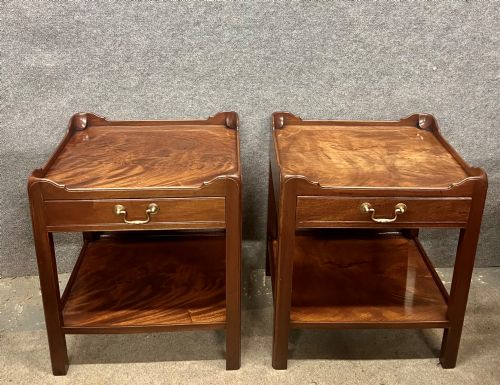
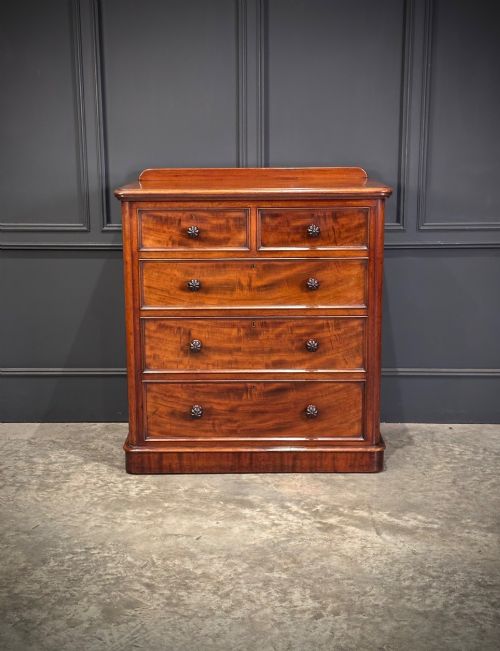
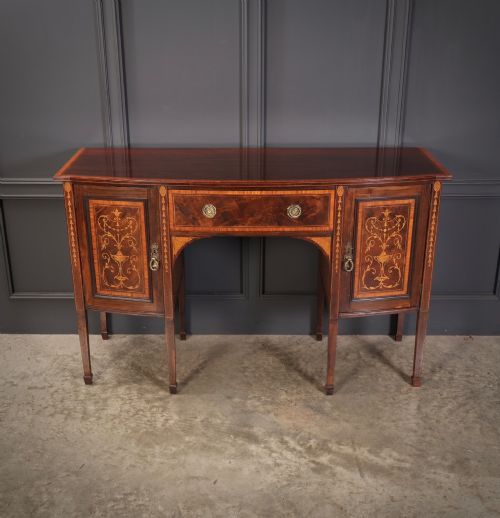
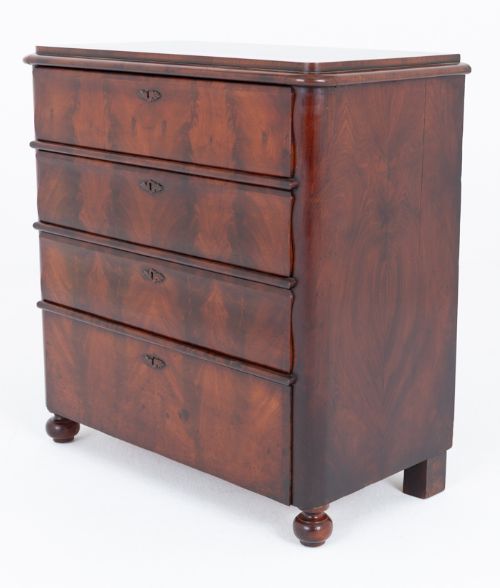
A classic brown cabinet encompasses a variety of timber storage forms spanning several centuries, ranging from compact bedside units to expansive sideboards. Buyers searching for a classic brown cabinet will most frequently encounter nineteenth-century mahogany chests of drawers, bedside cabinets, and sideboards.
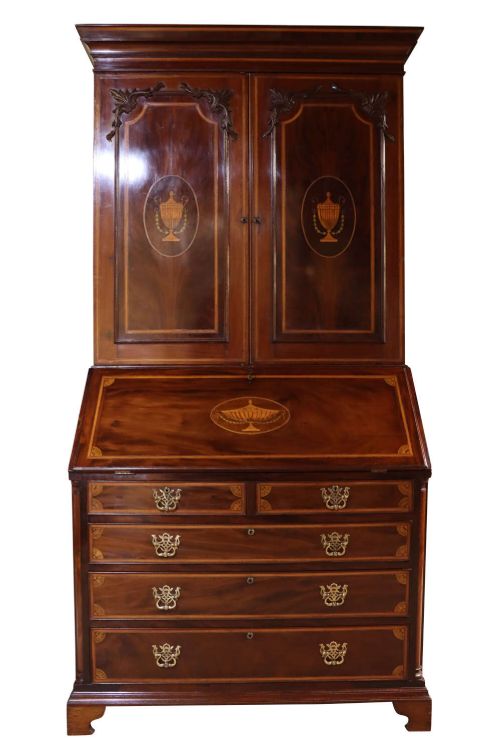
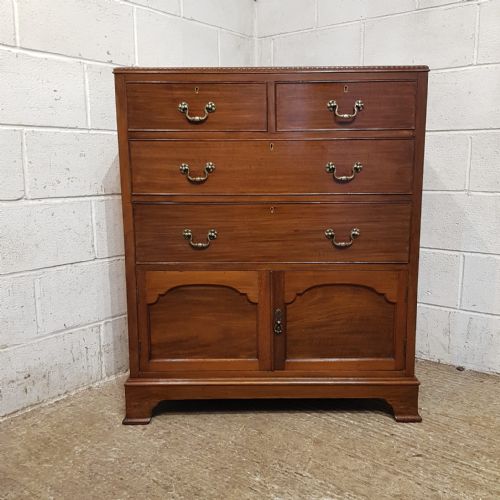
The selection ranges across distinct periods including the Georgian, Regency, Victorian, and Edwardian eras, alongside later revivals. Practical forms such as wardrobes, bureau bookcases, and tallboys appear frequently alongside smaller pedestal side cabinets and pot cupboards.
Each piece demonstrates the enduring appeal of dark wood furniture, utilising traditional joinery and rich grain patterns to create functional storage. These items serve both as practical household furniture and as examples of historical cabinet-making traditions.
Materials and construction
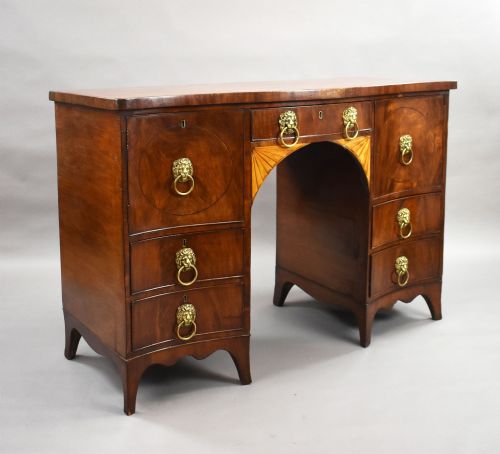
Mahogany serves as the primary timber across the majority of pieces, frequently enhanced by flame mahogany veneer, satinwood, and boxwood inlay. Brass handles and glass panels appear as standard secondary materials, adding functional contrast to the dark timber surfaces.
Makers employed traditional construction techniques including fine boxwood stringing, marquetry inlay, and precise wood inlays to decorate drawer fronts and cabinet doors. Timbers were selected for their natural figure, with polished finishes highlighting the deep brown hues of the wood.
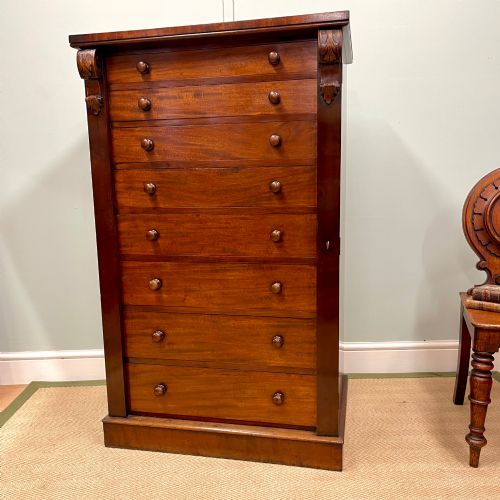
Specialist multi-drawer cabinets designed for Victorian collectors still surface with forty separate compartments intact.
Factors of quality
Quality in a classic brown cabinet rests upon the selection of timber figures, such as flame mahogany or figured pitch pine, and the precision of any inlay work. Finer examples display meticulous attention to detail in the matching of veneer grains across drawer fronts and cabinet doors.
The integrity of the original brass hardware and the crispness of boxwood or satinwood stringing distinguish superior workshops from standard production. Construction methods, visible in the dovetailing of drawers and the stability of carcases, further separate standard pieces from exceptional ones.
Brady·J.T.Crockett
The Classic Brown Cabinet Glossary
- Mahogany
- A durable, reddish-brown tropical hardwood favoured by cabinet-makers for its rich grain and stability. It forms the structural and decorative core of most brown furniture.
- Flame mahogany veneer
- A thin slice of timber cut from the point where branches join the main trunk, creating a distinctive flame-like pattern. This veneer was applied to prominent surfaces for visual impact.
- Tallboy
- A tall chest of drawers consisting of one chest stacked upon another, offering high storage capacity within a compact floor footprint. They became popular during the eighteenth century.
- Bureau bookcase
- A dual-purpose item combining a sloping desk flap for writing with shelving enclosed by doors above. These pieces combine workspace and display storage.
- Bow front
- A convex curved cabinet or chest front that projects outward in a smooth arc. This shape gained popularity during the late eighteenth and early nineteenth centuries.
Classic Brown Cabinet: Frequently Asked Questions
Where should I place a bedside cabinet?
A bedside cabinet works well beside a bed to hold a lamp, book, and small personal items within easy reach. Their compact proportions also suit small corners or spaces acting as lamp tables.
Matching pairs provide symmetrical storage on either side of a bed, while single pieces function as standalone accent tables in living areas.
How do I maintain mahogany furniture?
Keep mahogany furniture away from direct sunlight and heat sources to prevent the wood from drying out and the polish from fading. Regular dusting with a soft, dry cloth maintains the surface finish.
Apply a traditional wax polish occasionally to nourish the timber and preserve the deep brown sheen of the grain.
What is a Wellington chest?
A Wellington chest is a tall, narrow set of drawers secured by a hinged locking side flap that fastens with a key. This design originated in the nineteenth century to secure valuable documents or clothing.
They offer substantial drawer space while occupying minimal floor area, making them practical for smaller rooms.