

Classic Brass Chandelier Light
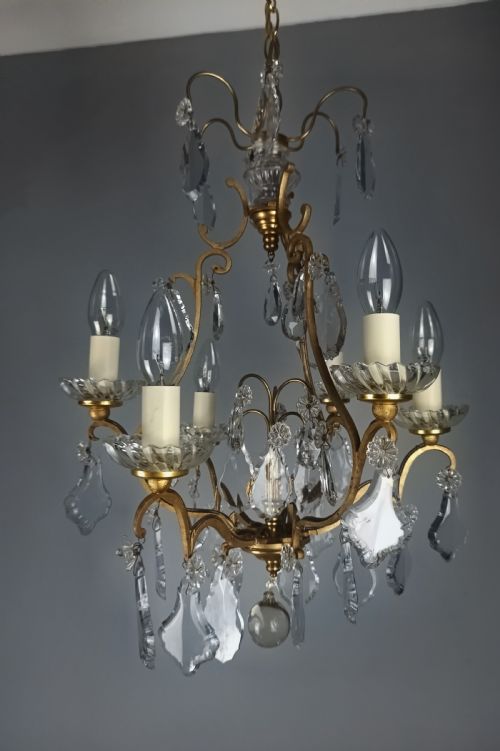
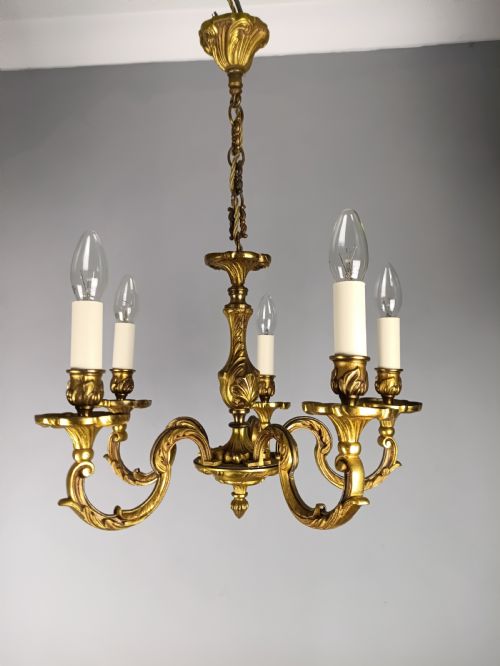
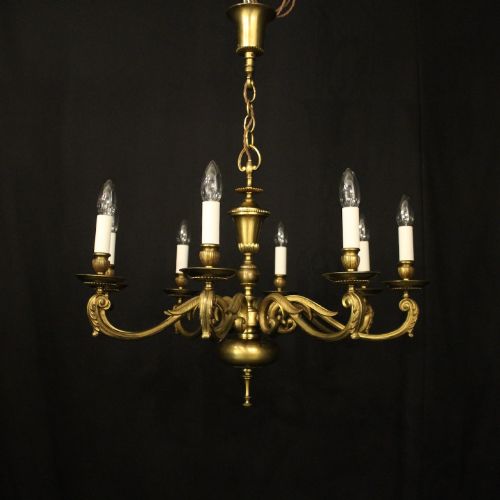
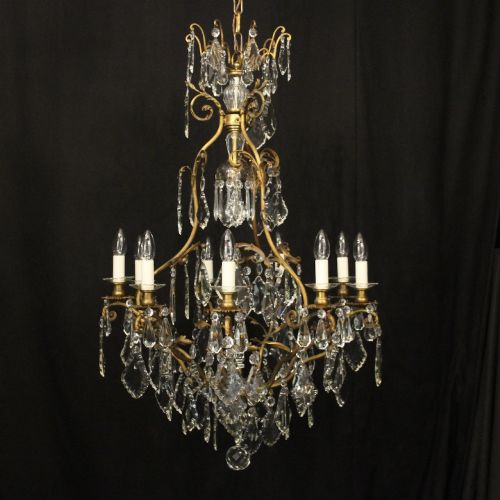
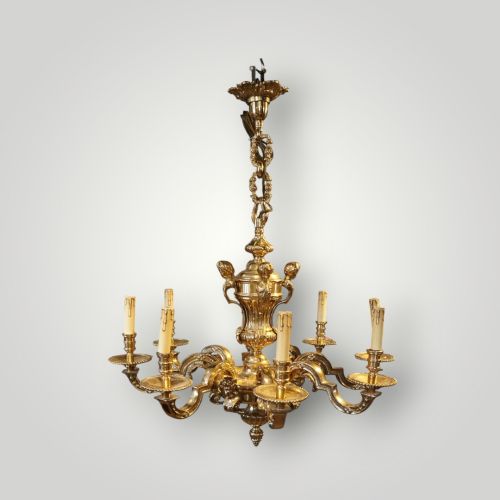
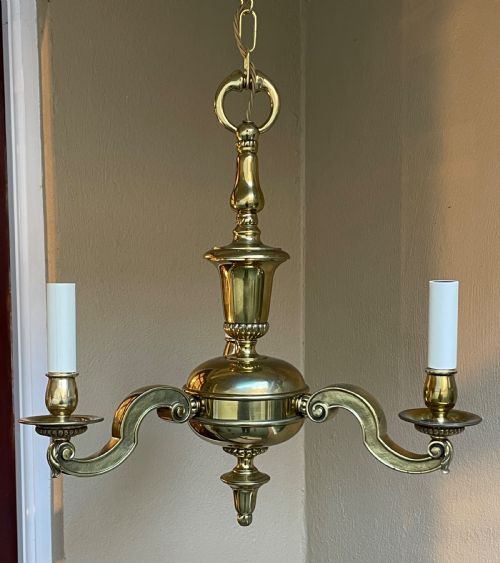
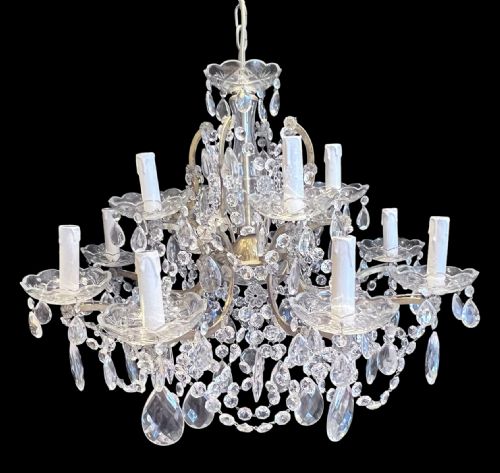
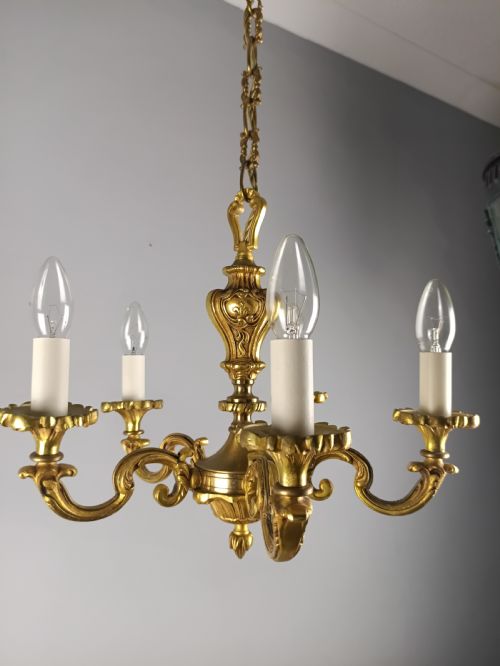
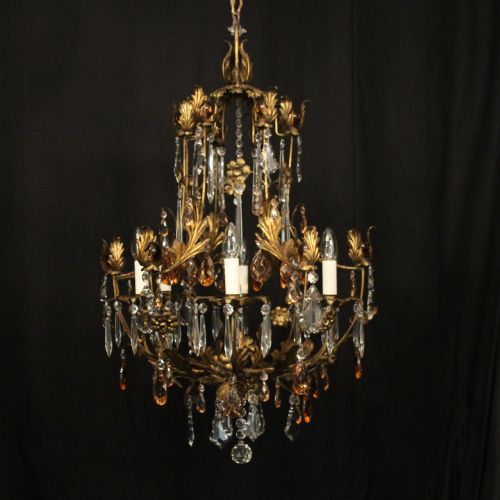
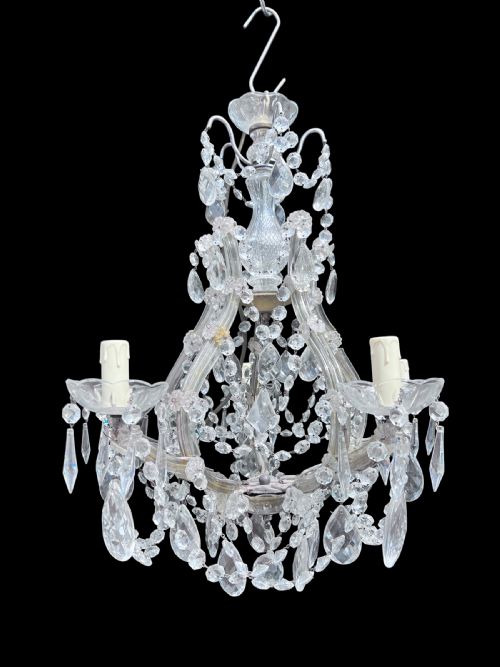
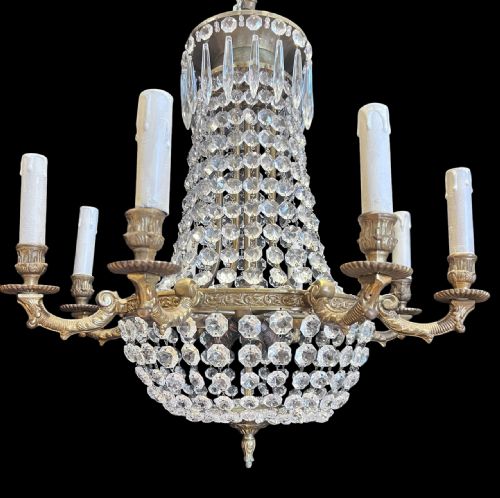
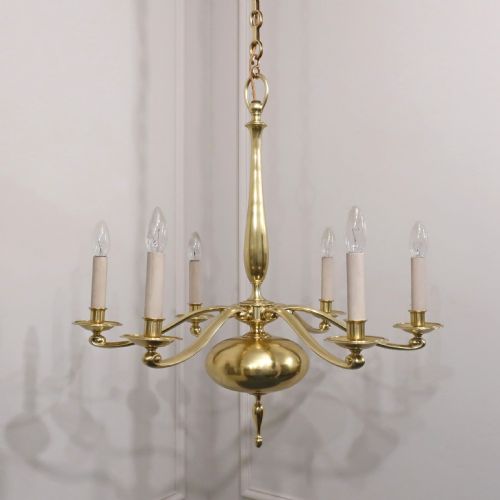
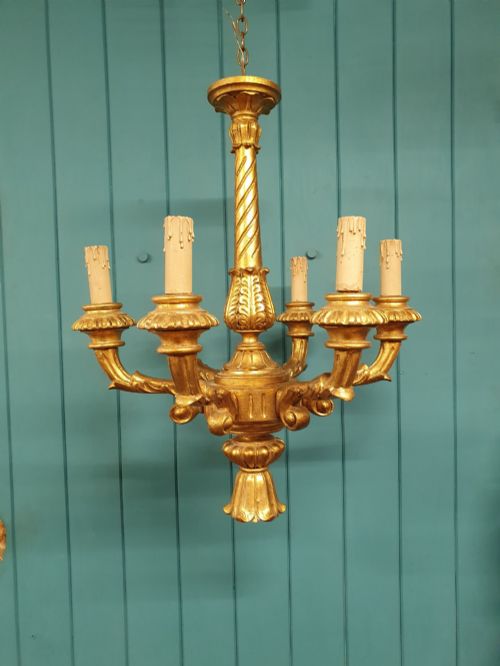
A classic brass chandelier light brings formal overhead illumination to a room through cast metal branches, glass drops and candle-form holders.
Classic Brass Chandelier Light
A classic brass chandelier light provides hanging illumination from a central ceiling fixture, relying on multiple arms and branches to project light across a space. These pieces emerge chiefly from the nineteenth and early twentieth centuries, spanning Edwardian designs alongside continental interpretations from France, Italy and the Netherlands.
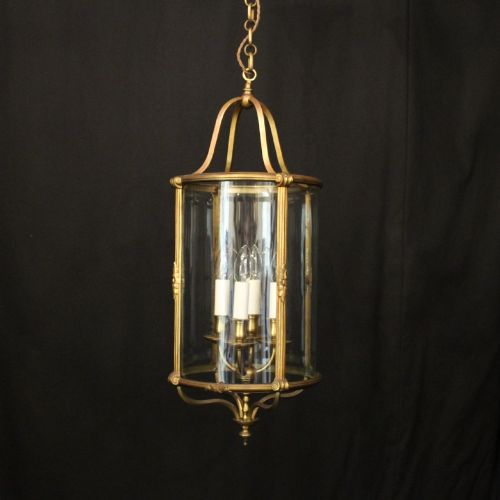
Buyers encounter various configurations ranging from compact three-branch forms to large twelve-light fixtures, with French styles dominating the selection alongside Maria Theresa and Empire arrangements. The grouping includes pendant lights, hall lanterns and wall sconces that share the characteristic metalwork framework.
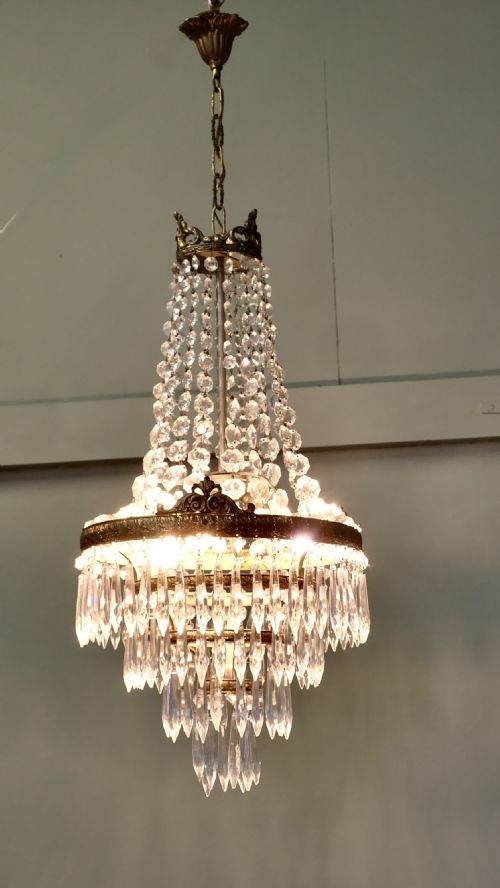
The materials combine structural brass or bronze with glass and crystal elements, creating reflective surfaces that disperse light. Many examples incorporate cut glass drops, beads and central cage frames that define the traditional silhouette.
Distinctions in quality and execution
The standard of a classic brass chandelier light depends upon the crispness of the metal casting and the depth of the subsequent chasing. Finer examples display sharply defined ornamentation on the bronze or brass arms, whereas simpler pieces rely on basic cast components with minimal hand-finishing.
Glass quality distinguishes superior fixtures through the clarity and precision-cut facets of the crystal drops and tent sections. Uniformity in the gilt application and the structural integrity of the internal wiring framework further separate workshop standards.
The Classic Brass Chandelier Light Glossary
- Chandelier
- A branched, suspended lighting fixture designed to hold multiple light sources or candles. It forms the primary overhead decorative light in traditional interiors.
- Gilt Bronze
- Bronze metal treated with a thin layer of gold or gold-coloured alloy to create a rich, uniform surface. This finish protects the underlying metal while offering a bright decorative sheen.
- Tent and Waterfall
- A specific configuration of crystal drops arranged in an upper conical tent shape that cascades down into a wider waterfall fringe. It maximises light refraction across the body of the fixture.
- Bobeche
- A small saucer-like dish fitted beneath the candle nozzle to catch dripping wax. It frequently supports hanging crystal prisms in classical chandelier designs.
Classic Brass Chandelier Light: Frequently Asked Questions
How do I clean a brass and crystal chandelier?
Maintenance involves dusting the metal framework carefully with a soft cloth and wiping glass drops with a mild cleaning solution. Individual crystal pendants can be removed and washed by hand when thorough restoration is required.
Harsh chemical polishes should be avoided on gilt or plated brass surfaces to prevent wearing away the historic finish. Regular light dusting keeps the metal and crystal reflective without risking damage to the wiring or pinned drops.
What ceiling height do I need for these lights?
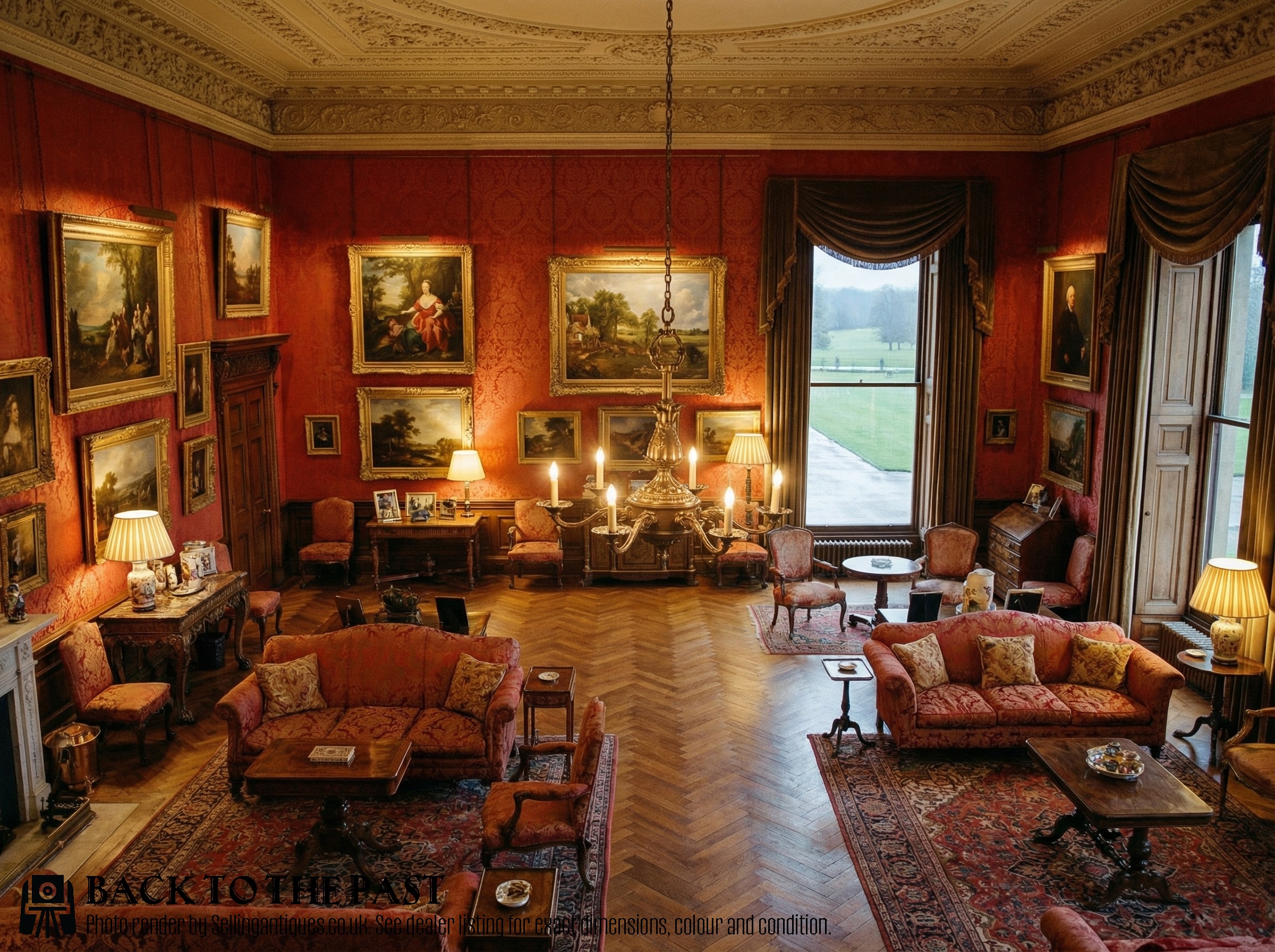
These fixtures require adequate vertical clearance so that the lowest point hangs well above head height in a room. Standard living spaces with normal ceilings typically accommodate compact or medium-sized multi-light versions.
Larger installations with extended drop chains suit high-ceilinged reception rooms, stairwells or entrance halls where the downward scale remains in proportion to the space.
Are antique chandeliers wired for modern electricity?
Most period hanging lights have been adapted over time to accept modern electrical internal wiring and standard bulb holders. Rewiring ensures the fixture meets current safety standards while preserving the historic exterior appearance.
Buyers should inspect the internal channels and lampholders to confirm whether professional rewiring is needed before ceiling installation.
How do I identify French Empire style chandeliers?
French Empire style fixtures typically incorporate classical architectural motifs, boat-shaped frames and symmetrical arrangements of cut glass drops. They often feature central corona rings and heavy use of gilt bronze ornamentation.
These designs reflect Napoleonic-era aesthetics, balancing rigorous geometric structure with lavish crystal waterfall arrays and decorative cast metal mounts.