



Classic Botanical Artwork
Classic botanical artwork brings the colour and quiet structure of the natural world into a room, offering enduring visual balance.
Classic Botanical Artwork
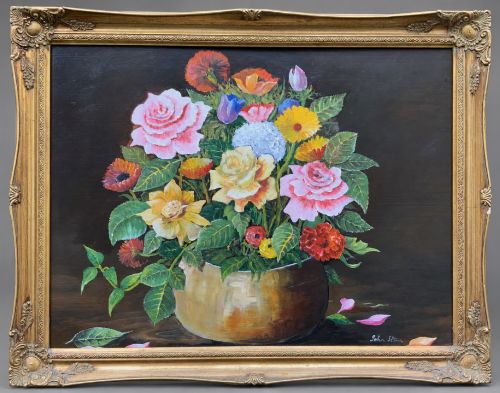
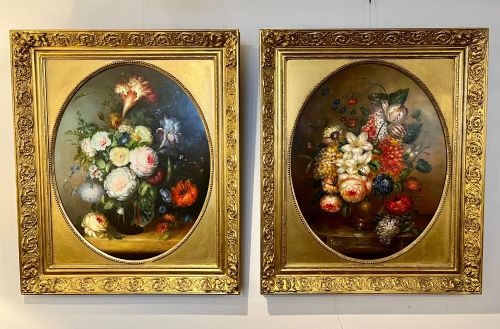
Classic botanical artwork spans centuries of painted floral and fruit studies, capturing detailed natural forms on canvas and board. When browsing this selection, buyers frequently encounter oil paintings from the eighteenth, nineteenth, and twentieth centuries rendered in traditional still life and Dutch school styles.
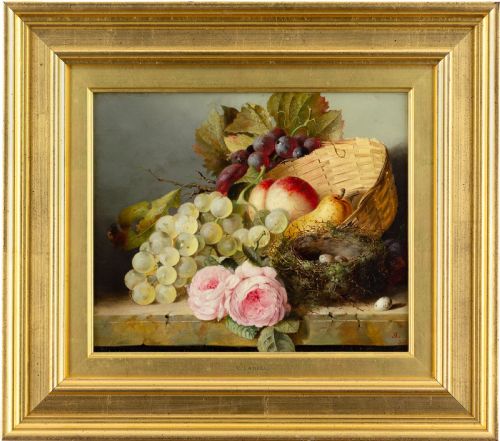
The pieces range from intimate studies of roses and spring flowers in vases to rich compositions featuring fruit, wicker baskets, and birds' nests. These works draw heavily upon English country house aesthetics and Dutch golden age traditions, suiting both traditional and eclectic interiors.
Materials and methods
These works are executed in oil paint upon canvas, board, and wood supports, employing traditional layering techniques to build depth and luminosity. The application of oil allows for subtle tonal gradations in petals, fruit, and foliage.
Framing plays a significant role in presentation, with many examples housed in period gilded wood and giltwood frames that complement the rich palettes of the paintings.
Classic Botanical Artwork Retail Price Guide 2026
Typical asking prices for classic botanical artwork among the pieces listed under this phrase on Sellingantiques today, from the lower quarter to the upper quarter. They describe what is for sale here now, not the wider market.
Frames range from simple wood mouldings to ornate gilded wood and giltwood designs from various periods.
What distinguishes finer pieces
Quality rests in the precision of the brushwork and the naturalism of the composition, where light falls convincingly across fruit, petals, and drapery. Superior examples demonstrate a confident handling of space and texture that brings the subject matter to life.
The harmony between the painting and its original or period giltwood frame contributes substantially to the overall integrity of the piece.
Edward Ladell·Terence Loudon·Margaret Evangeline Wilson·William Jones of Bath·Oliver Clare·George Lance·Jules Felix Ragot·James and William Ward
The Classic Botanical Artwork Glossary
- Oil painting
- A work created using pigments bound with a medium of drying oil, typically linseed, applied to canvas or wood.
- Dutch school
- A regional painting style known for meticulous detail, deep shadows, and realistic depictions of everyday objects and flora.
- Still life
- An artwork depicting inanimate subject matter, typically commonplace objects such as fruit, flowers, and tableware.
- Giltwood
- Wood that has been coated with gold leaf or a gold-coloured metallic finish, commonly used for traditional picture frames.
Classic Botanical Artwork: Frequently Asked Questions
Where should I hang these paintings?
These works suit dining rooms, libraries, or drawing rooms where traditional furnishings complement the rich natural subjects. Their balanced compositions work well as focal points above mantelpieces or sideboard units.
Ensure the placement avoids direct sunlight to protect the oil pigments and giltwood frames over time.
How do I care for an oil painting?
Keep the artwork away from extreme temperature fluctuations and high humidity, which can affect both canvas and wood supports. Dust the surface and frame gently with a dry, soft brush when necessary.
Avoid using liquid cleaners or chemical agents on the painted surface or the gilded frame.
What periods are represented here?
The selection includes works from the eighteenth, nineteenth, and twentieth centuries, spanning the Georgian and Victorian eras into post-war traditional periods.
Each period brings distinct framing choices and painting techniques reflecting the prevailing artistic styles of the time.
Are these works painted on canvas?
The pieces utilise a variety of supports including traditional canvas, wooden boards, and panel formats. Oil paint is the primary medium across all these varied supports.
Specific backing materials often correlate with the period and the particular school of painting.