



Classic Botanical Art
Classic botanical art captures the enduring appeal of flora and fauna in oils, giltwood, and bronze across several centuries.
Classic Botanical Art
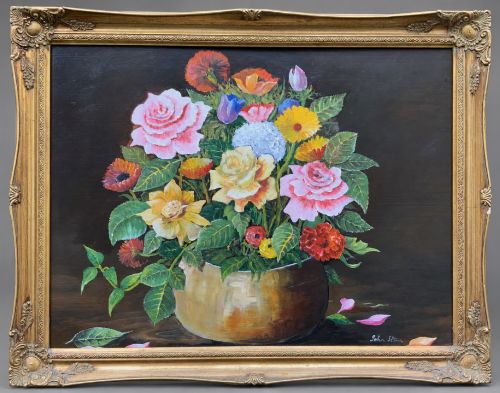
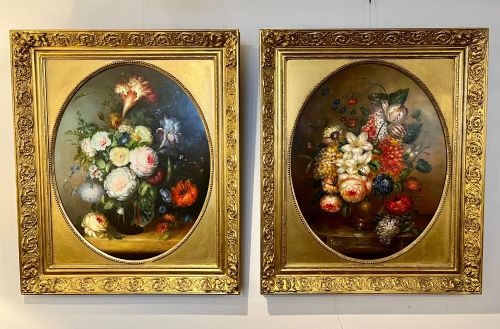
Classic botanical art encompasses detailed oil paintings and fine art works focusing on flowers, fruit, and natural subjects. When searching for classic botanical art, collectors encounter pieces ranging from eighteenth-century canvases to mid-twentieth-century studies.
The selections span distinct historical periods including the Victorian era, Art Nouveau, and Dutch Golden Age styles. Oil on canvas and oil on board dominate the offerings, often set within gilded wood frames.
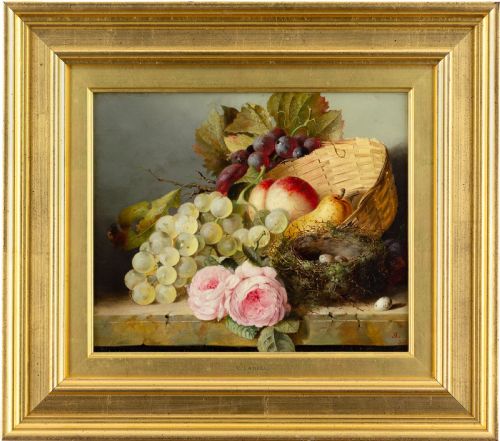
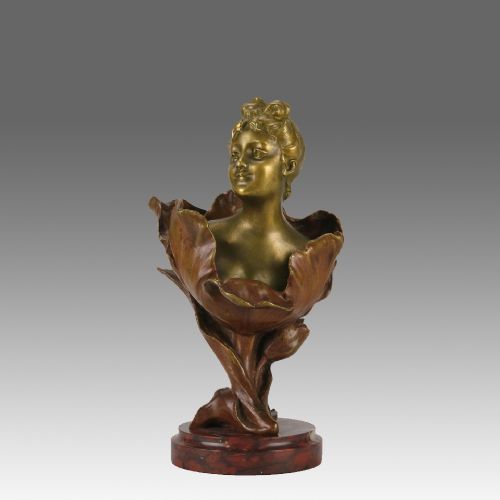
Subjects stretch from simple vase arrangements of spring flowers to complex still life compositions featuring fruit, birds' nests, and exotic birds. Bronze sculptures also appear, representing floral themes through figures like the Fée des Fleurs.
Materials and Techniques
Makers utilised oil paint on stretched canvas or prepared wooden boards to achieve depth and texture in floral and fruit depictions. Fine brushwork renders petals, leaves, and surfaces with precision.
Frames frequently consist of gilded wood or giltwood, complementing the rich tones of the oil paintings. Bronze casting techniques are employed for sculptural interpretations of botanical motifs.
Classic Botanical Art Retail Price Guide 2026
Typical asking prices for classic botanical art among the pieces listed under this phrase on Sellingantiques today, from the lower quarter to the upper quarter. They describe what is for sale here now, not the wider market.
Listings feature oil paintings and bronzes spanning from the eighteenth century to the mid-twentieth century, utilising canvas, wood, and gilded frames.
Assessing Quality
Quality rests in the handling of light, shadow, and botanical accuracy by the artist. Finer works display meticulous attention to texture in fruit skins, plumage, and delicate petals.
The integrity of the original oil paint layer and the craftsmanship of the accompanying giltwood frame influence the overall standard of the piece.
Edward Ladell·Henri Godet·Terence Loudon·Margaret Evangeline Wilson·William Jones of Bath·Oliver Clare·George Lance·Jules Felix Ragot·James and William Ward
The Classic Botanical Art Glossary
- Oil on Canvas
- Pigment mixed with drying oil applied to a woven fabric support. This serves as the primary medium for many traditional paintings.
- Giltwood
- Wood carved and covered with a thin layer of gold leaf or gold paint. Frames of this material frequently encase period paintings.
- Still Life
- A work of art depicting mostly inanimate subject matter, typically commonplace objects which may be either natural or man-made. Floral and fruit arrangements form a major category within this genre.
- Dutch School
- A style of painting originating from the Netherlands characterised by realistic detail and dramatic lighting. This aesthetic heavily influences many traditional floral compositions.
Classic Botanical Art: Frequently Asked Questions
What defines classic botanical art?
Classic botanical art comprises traditional paintings and sculptures depicting flowers, fruit, and natural elements with precise detail. These works draw upon historical traditions such as Dutch still life painting and Victorian naturalism.
Artists use oil paints to capture the textures of petals, leaves, and surfaces, often mounting the finished canvases in ornate giltwood frames.
How do I care for an oil painting?
Oil paintings require stable indoor environments away from direct sunlight and dramatic temperature fluctuations. Keep the canvas clean by gently dusting the surface with a soft, dry brush.
Avoid using water or chemical cleaners on the paint surface or the gilded frame to preserve the materials.
What periods do these pieces span?
The available pieces stretch from the eighteenth century through the nineteenth and twentieth centuries. Examples include Georgian works, Victorian studies, and post-war traditional paintings.
Each period brings distinct framing styles and handling of oil paint to the botanical subject matter.
Are bronze sculptures considered botanical art?
Bronze sculptures can fall under botanical art when their primary subject incorporates floral or plant motifs. Works like figurative busts intertwined with flowers bridge the gap between sculpture and natural illustration.
These pieces utilise cast bronze, sometimes paired with gilt finishes to highlight specific details.