



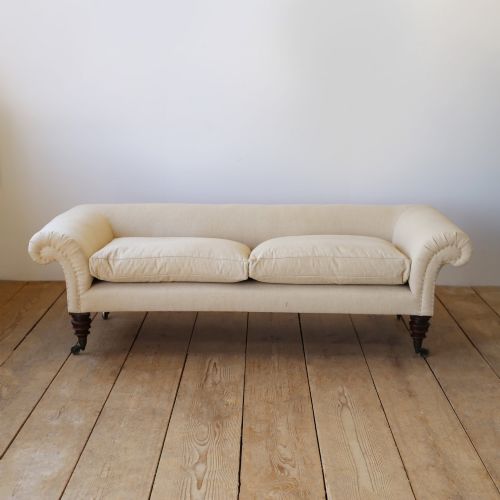


Classic Bench
A classic bench anchors a room or garden with enduring form, offering both a place of rest and a defined focal point.
Classic Bench
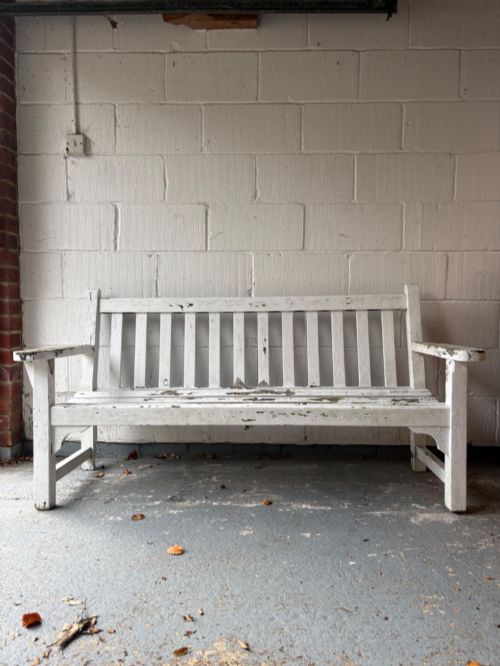
When you search for a classic bench, you encounter a varied selection of seating designed for both interior rooms and outdoor spaces. The pieces range from garden seats to indoor window seats and settees.
You are most likely to meet wooden garden benches dated around nineteen thirty, alongside nineteenth-century upholstered seating and giltwood sofas. These objects encompass classical revival styles and simpler garden forms.
The assortment spans diverse origins, including English country examples and Italian pieces. Each object serves a distinct architectural or domestic function within its designated setting.
How they were made
Makers utilised durable timbers such as teak and mahogany for structural integrity, often weathering the wood for outdoor exposure. Brass details and giltwood finishes appear on more formal interior seating.
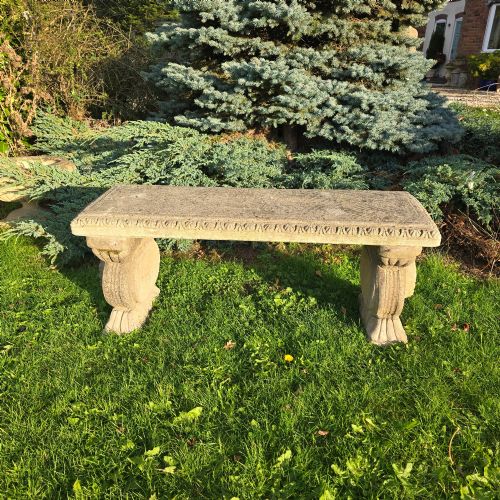
Upholstered forms incorporate linen and fabric over supportive frames, whilst garden pieces utilise cast stone for heavy permanence. Construction methods reflect the specific demands of each period, from nineteenth-century joinery to twentieth-century garden production.
Classic Bench Retail Price Guide 2026
Typical asking prices for classic bench among the pieces listed under this phrase on Sellingantiques today, from the lower quarter to the upper quarter. They describe what is for sale here now, not the wider market.
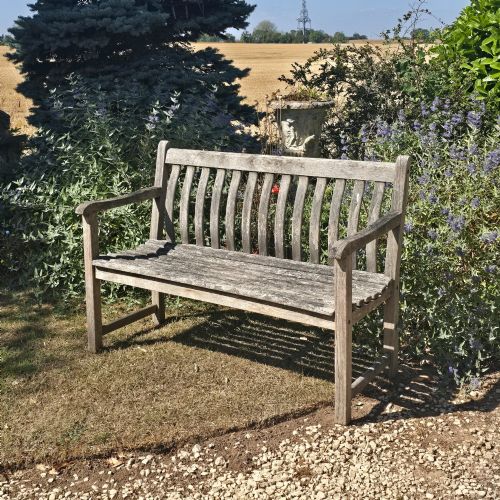
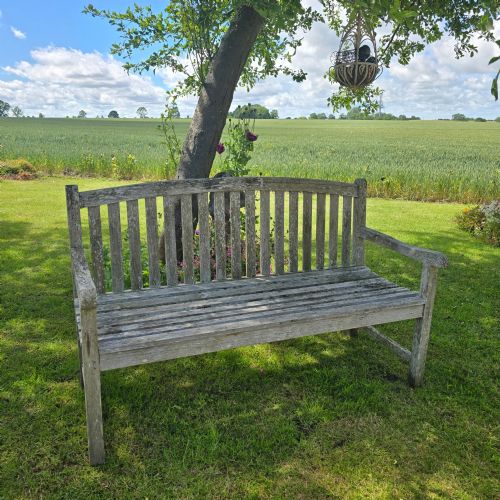
Several garden benches have spent enough decades outdoors to develop a deeply silvered patina.
What varies in quality
Quality reveals itself in the integrity of the timber and the depth of the carved detail on frames and legs. Superior examples show careful proportion and harmonious integration of materials, whether giltwood or weathered teak.
The distinction between ordinary and exceptional lies in the preservation of original surfaces and the precision of the construction. Finer seating exhibits accomplished tailoring in fabric elements and robust joinery in structural members.
The Classic Bench Glossary
- Giltwood
- Wood carved and surfaced with a thin layer of gold leaf. This finish appears frequently on formal nineteenth-century sofas and settees.
- Teak
- A dense, durable hardwood resistant to moisture, chosen extensively for garden benches. It ages to a silvered patina when exposed to the elements.
- Regency
- An English design period spanning the early nineteenth century characterised by classical motifs and elegant proportions. Window seats from this era often feature cabriole legs.
- X framed
- A structural configuration where two members cross in the shape of an X to support a seat. This method provides stability and visual interest on piano stools.
- Neoclassical
- A style drawing inspiration from the classical art and architecture of ancient Greece and Rome. Italian settees from the nineteenth century frequently display these balanced proportions.
Classic Bench: Frequently Asked Questions
Where should a garden bench go?
Position a garden bench along a primary sightline in the garden, perhaps against a hedge or beneath a mature tree, to create a natural destination.
Ensure the ground beneath is level so the timber or cast stone rests securely without rocking.
How do I care for teak?
Teak naturally weathers to a silvered grey when left outdoors, requiring minimal intervention to maintain its structural strength.
Wash the surface occasionally with mild soapy water to remove accumulated dirt, avoiding harsh chemical treatments.
What is a window seat?
A window seat is a narrow form of indoor seating designed specifically to fit within the architectural recess of a window.
These pieces provide a comfortable spot to sit while taking advantage of natural light and outside views.
How do I identify a nineteenth-century piece?
Examine the construction joints, timber patination, and stylistic motifs to determine the likely period of manufacture.
Nineteenth-century seating often displays hand-carved details and traditional joinery methods distinct from modern production.