

Classic Bedroom Drawers
Classic bedroom drawers anchor a sleeping space with enduring utility, offering timber construction and compartmentalised storage handed down across centuries.
Classic Bedroom Drawers
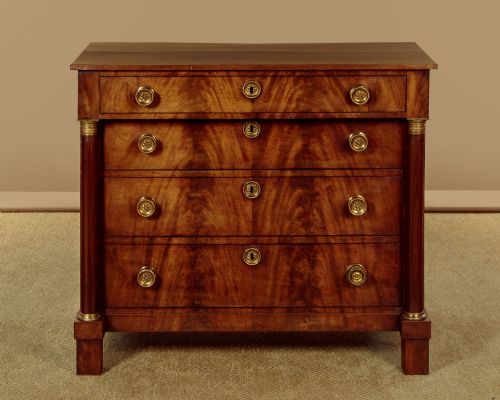
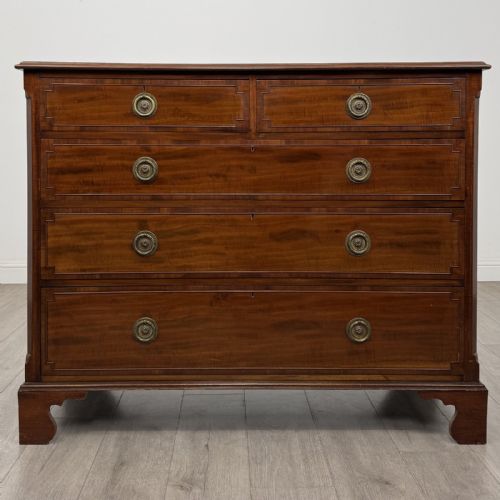
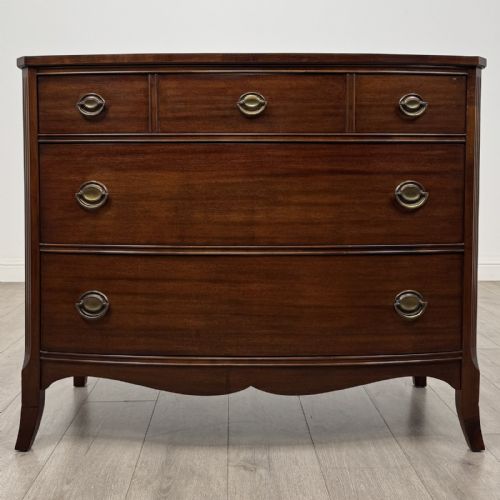
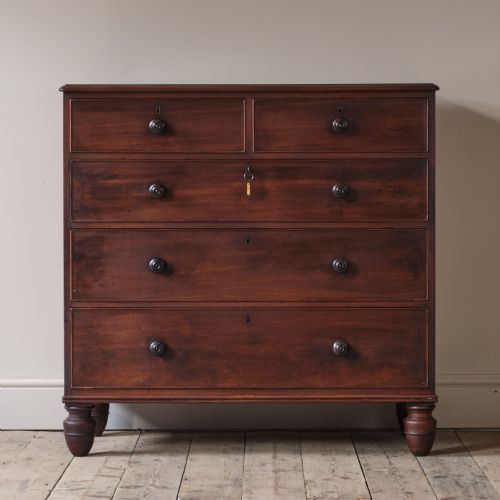
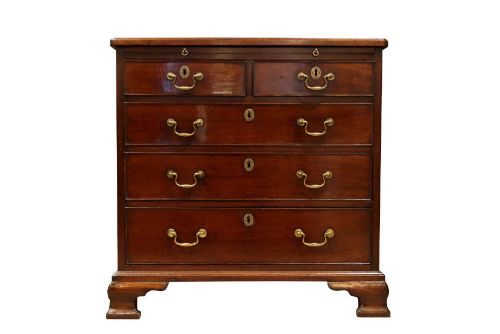
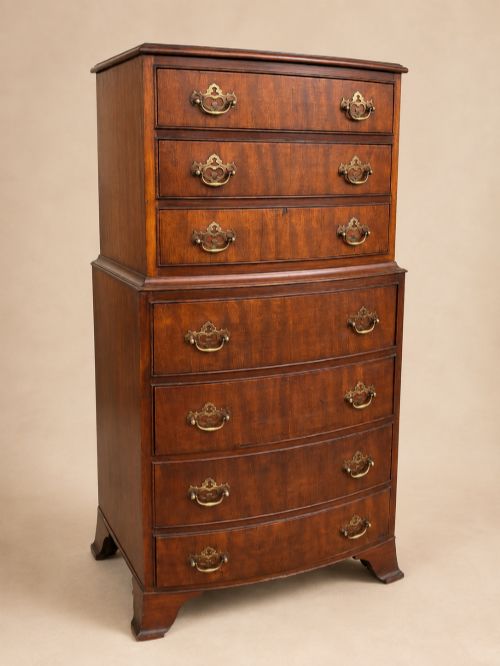
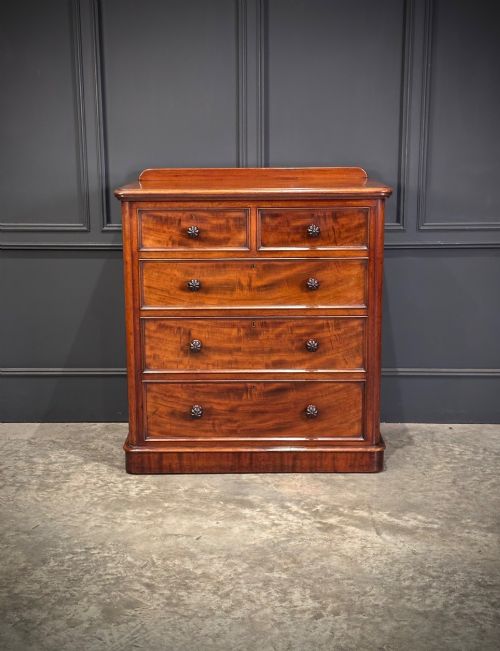
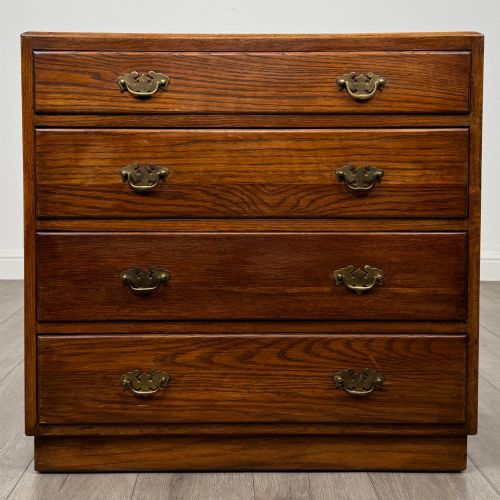
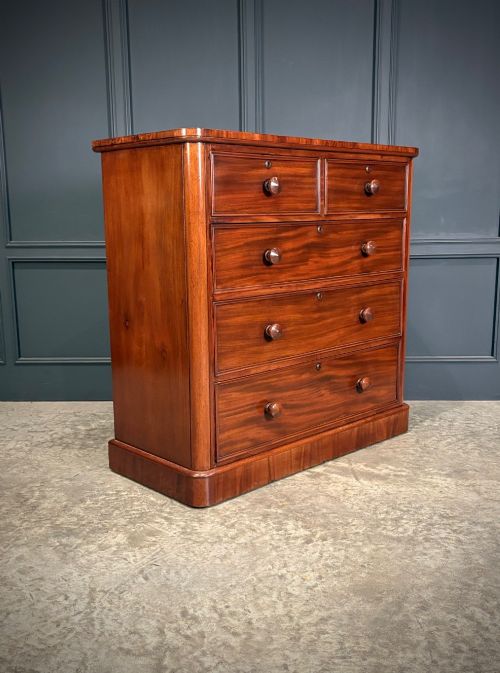
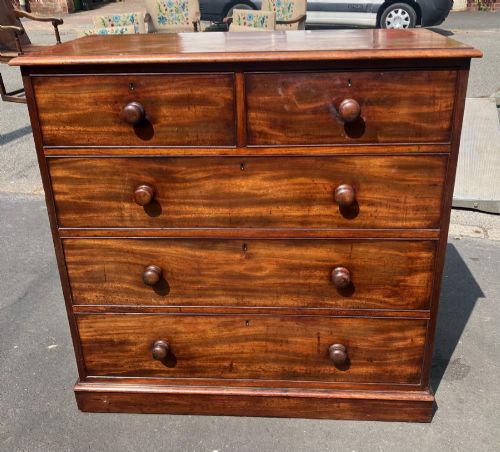
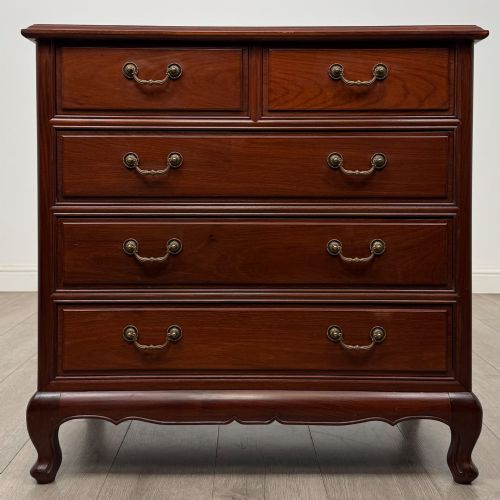
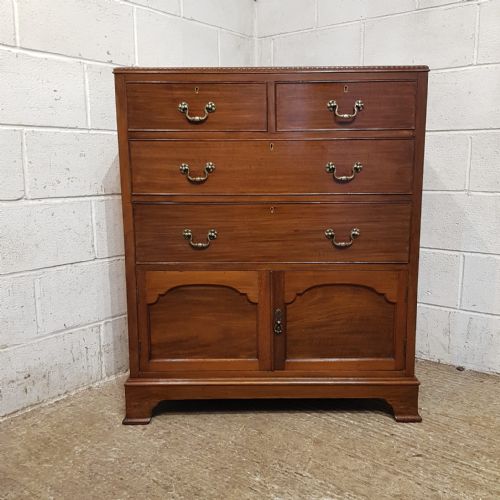
Classic bedroom drawers primarily take the shape of chests of drawers, bow fronts, tallboys, and bedside tables originating from Georgian, Victorian, and Edwardian eras. These pieces provide practical storage through varied drawer configurations, often featuring two smaller drawers over three larger ones.
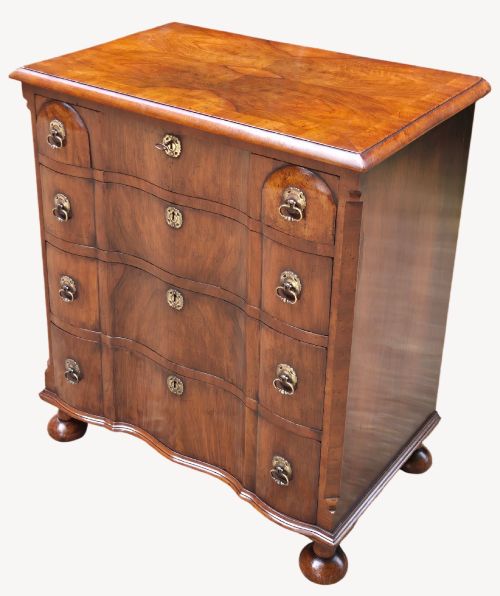
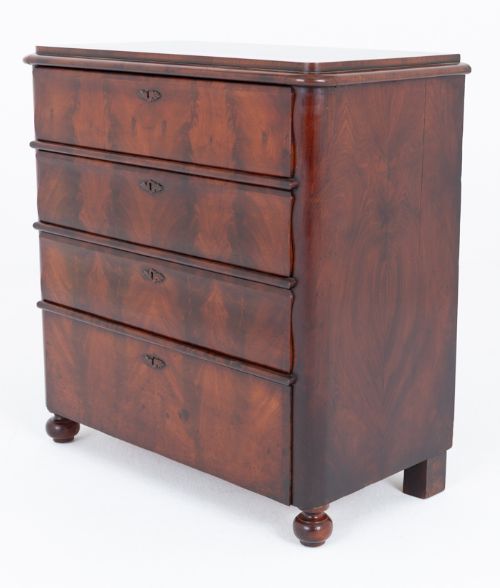
The selection ranges from compact bedside cabinets and Georgian revival pieces to substantial chest on chest models and marble-topped commodes. Mahogany predominates among the surviving examples, alongside oak, walnut, pine, and birch.
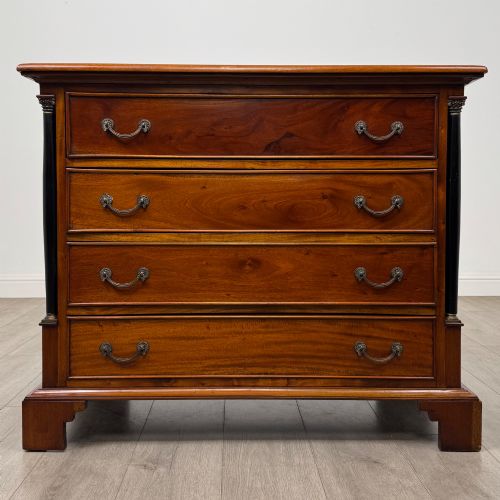
Origins span English workshops as well as continental traditions such as Biedermeier, French Empire, Directoire, and Swedish design. Buyers encounter both formal formal commodes and vernacular pine chests suited to traditional domestic interiors.
Materials and Construction
Cabinet makers relied heavily on solid mahogany and flame mahogany veneers applied over secondary timbers, often pairing these with decorative brass handles and brass hardware. Oak and pine served structural roles for drawer linings and carcases, whilst walnut and flame birch provided distinctive figured surfaces.
Joinery methods included hand-cut dovetails for drawer construction and tongue and groove boarding for backs and interiors. Specialised elements such as brushing slides, raised galleries, bracket feet, and inset grey marble tops reflect the technical repertoire of period workshops.
Classic Bedroom Drawers Retail Price Guide 2026
Typical asking prices for classic bedroom drawers among the pieces listed under this phrase on Sellingantiques today, from the lower quarter to the upper quarter. They describe what is for sale here now, not the wider market.
Several chests still retain secret compartments hidden behind decorative moulding for storing clandestine love letters.
Quality and Distinction
Distinction in these pieces rests on the choice of timber, particularly the figuration of flame mahogany veneers and the warmth of the underlying grain. Finer examples display meticulous grain matching across drawer fronts and crisp execution of mouldings and bracket feet.
The integrity of original brass hardware, smooth drawer action within solid linings, and the survival of untouched patination separate standard regional pieces from high-workshop production. Construction depth, such as secondary oak framing versus softer pine, dictates structural longevity.
T G Seddon·C Hindley
The Classic Bedroom Drawers Glossary
- Bow Front
- A convex curved cabinet front that projects outward at the centre. This shape gained popularity during the Georgian and Regency periods to soften the rectangular geometry of storage furniture.
- Brushing Slide
- A pull-out shelf integrated above the top drawers of a chest. It served as a temporary writing surface or clothes-brushing platform.
- Tallboy
- A tall chest of drawers made by stacking one chest upon another or building a single high carcase. They maximised vertical storage space in period bedrooms.
- Commode
- A low cabinet or chest of drawers containing multiple working drawers. The term often describes continental European examples featuring marble tops.
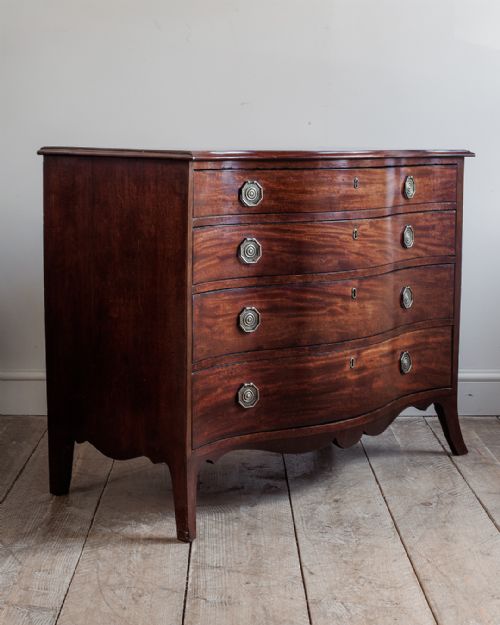
- Serpentine Front
- A cabinet front featuring an undulating contour that curves inward at the centre and outward at the ends. It demands advanced woodworking skill to execute properly.
- Flame Mahogany
- Timber cut from the fork of the mahogany tree where branches join the trunk. This produces a dramatic, flamed grain pattern utilised on high-end drawer fronts.
Classic Bedroom Drawers: Frequently Asked Questions
What is a brushing slide?
A brushing slide is a pull-out wooden shelf integrated directly above the top drawer of a chest. It provided a convenient surface for brushing garments or writing brief notes.
Cabinet makers concealed this element behind the upper moulding so it remained invisible when closed.
How do I date a chest of drawers?
Dating relies on examining construction methods, timber choices, handle styles, and foot design. Georgian pieces often feature bracket feet and hand-cut dovetails, while Victorian examples utilise heavier mahogany and machine-assisted joints.
Secondary woods inside the drawers also offer clues regarding regional origin and period practice.
Where were commodes used?
Commodes served primarily as decorative and functional storage items within formal bedrooms and dressing rooms. Continental examples often featured marble tops suited to holding washbasins or display items.
English variations functioned mainly for linen and clothing storage.
What is a tallboy?
A tallboy is an elevated chest of drawers designed to provide substantial vertical storage without occupying excessive floor space. They frequently combine a larger base chest with a slightly narrower upper section.
This form was particularly favoured throughout the eighteenth and nineteenth centuries.