

Classic Bedroom Chest
A classic bedroom chest is a sturdy timber storage piece that grounds a room while holding daily linens and clothes.
Classic Bedroom Chest
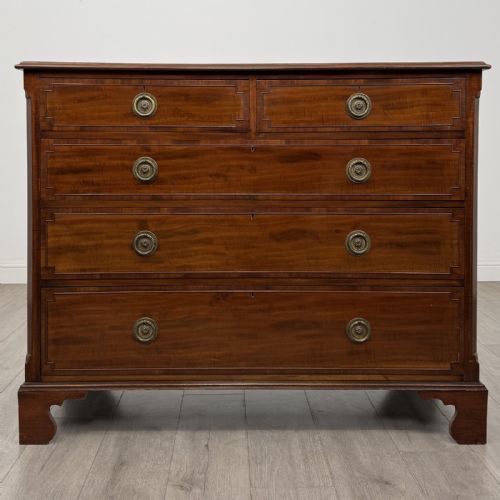
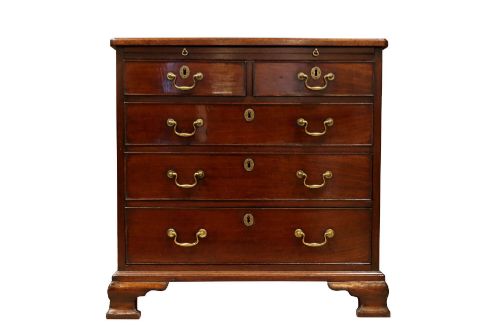
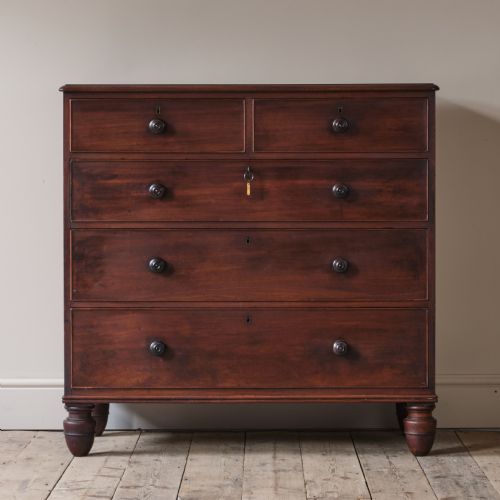
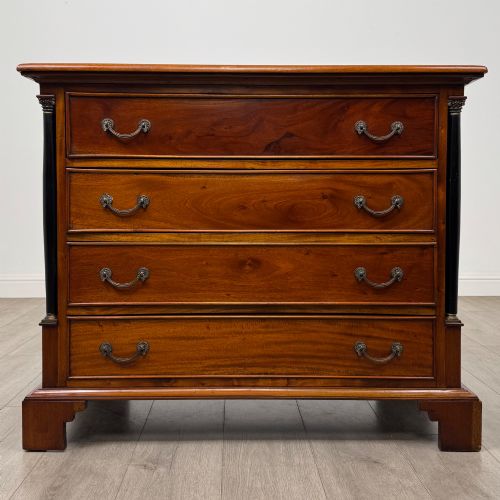
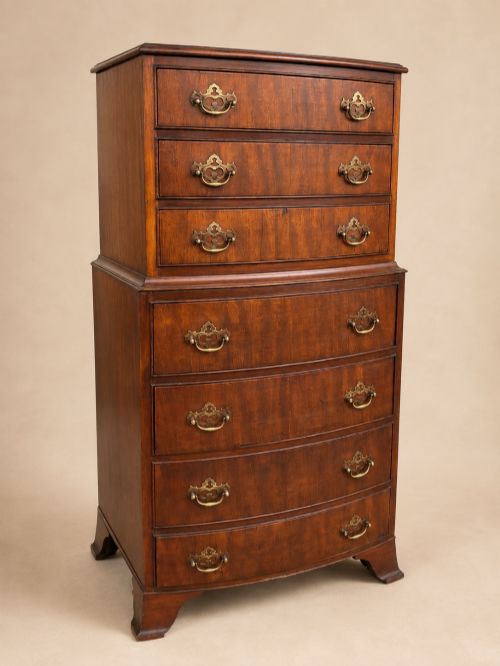
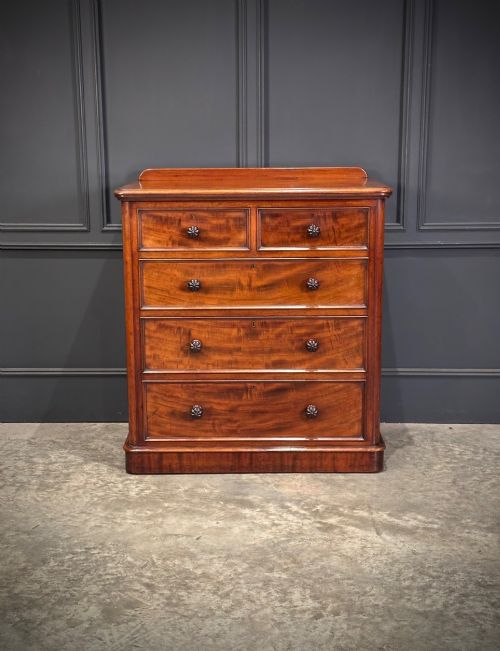
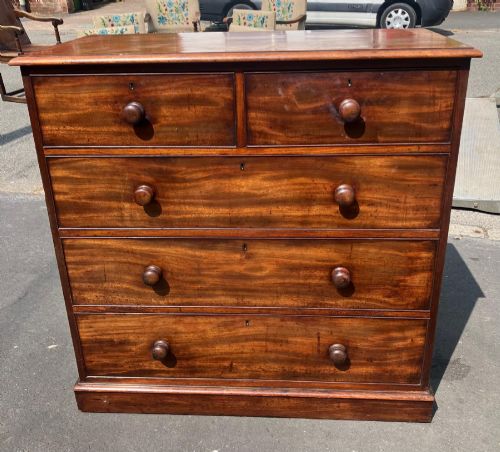
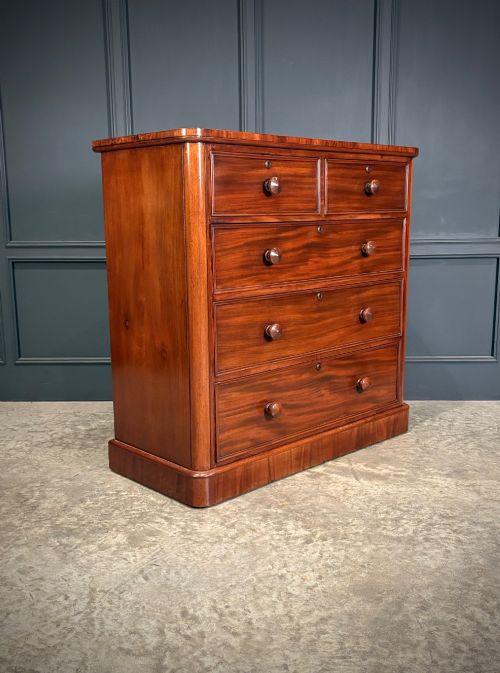
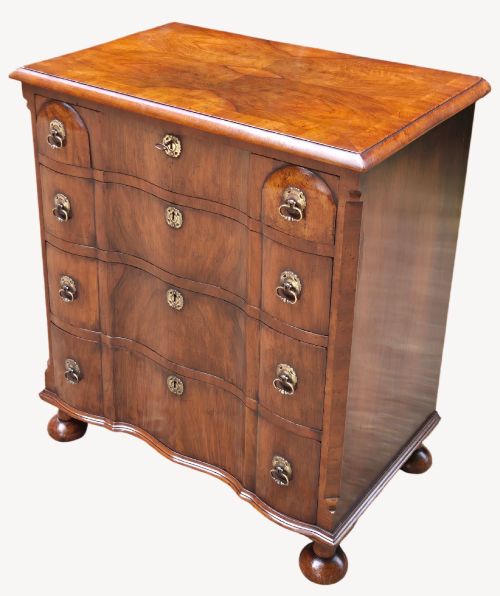
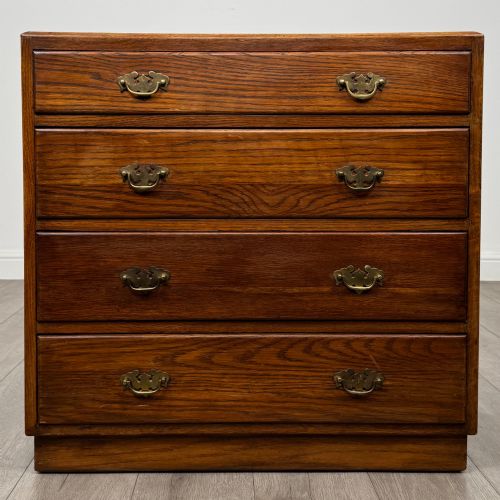
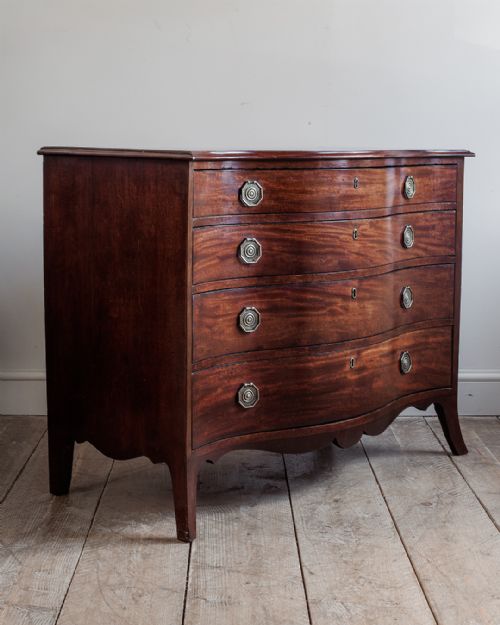
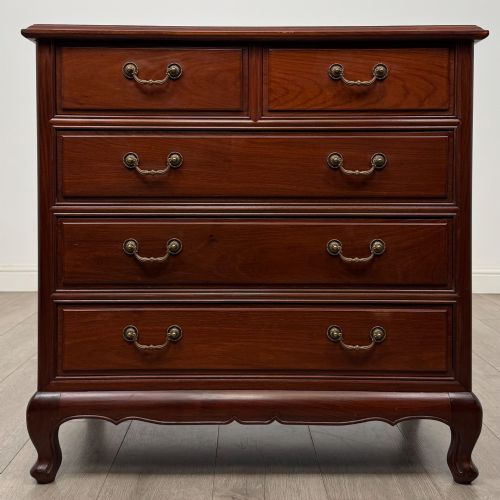
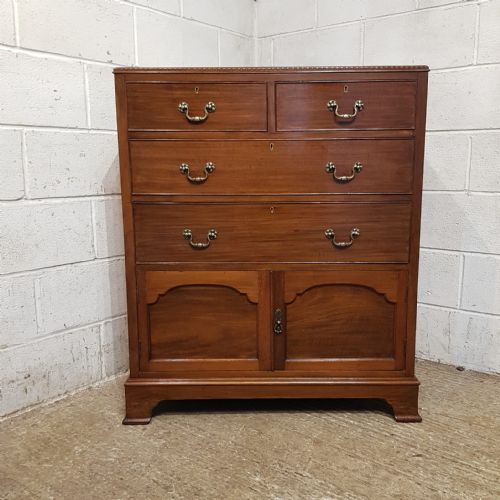
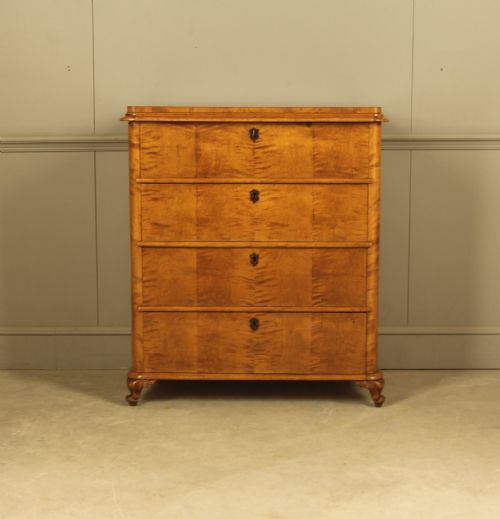
A classic bedroom chest primarily takes the form of a chest of drawers, built to offer practical bedside or bedroom storage through stacked tiers of drawers. You will frequently encounter mahogany examples dating from the Georgian and Victorian periods, often featuring bow fronts or bracket feet.
Materials and construction methods
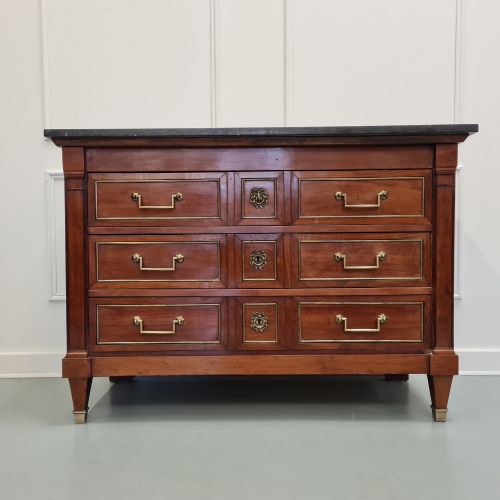
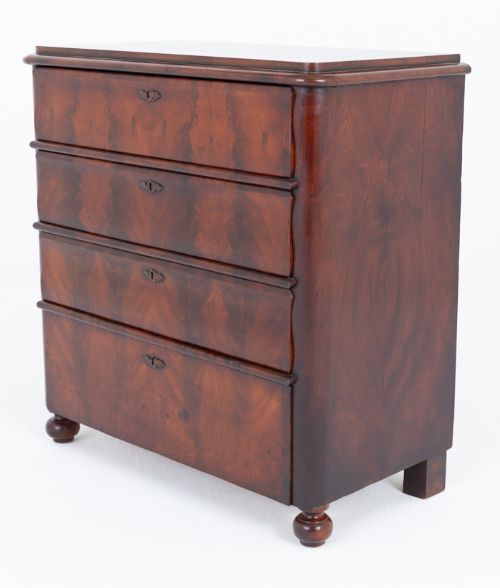
Cabinet makers relied heavily on solid hardwoods like mahogany, walnut, and oak, frequently applying flame mahogany veneer to drawer fronts for heightened visual depth. Secondary structural elements often utilised pine, while decorative accents incorporated brass handles, bone details, and occasional marble tops.
Construction relied on traditional joinery techniques, seen in bracket feet, raised galleries, and tongue and groove paneling. Surface finishes typically involved wax or polished timber treatments that preserved the natural grain of the wood over centuries of use.
Classic Bedroom Chest Retail Price Guide 2026
Typical asking prices for classic bedroom chest among the pieces listed under this phrase on Sellingantiques today, from the lower quarter to the upper quarter. They describe what is for sale here now, not the wider market.
Listings feature 18th-century, Georgian, and Victorian periods, utilising mahogany, walnut, pine, and marble.
Evaluating quality and execution
Quality rests in the crispness of the timber selection, such as the distinct figuring found in flame mahogany or walnut, and the precision of inlaid details. Superior pieces display harmonious proportions, particularly in bow-front and serpentine forms where curved timber demands exceptional skill.
Hardware and secondary woods also separate standard workshop output from finer productions, evident in heavy brass drop handles and well-fitted drawer linings. Retaining original structural components like bracket feet or brushing slides elevates the integrity of the piece.
T G Seddon·C Hindley
The Classic Bedroom Chest Glossary
- Bow front
- A cabinet front that curves outward in a convex shape. This style gained immense popularity during the Georgian and Regency periods.
- Brushing slide
- A pull-out shelf integrated into the upper section of a chest. It served as a temporary writing surface or clothes-folding tray.
- Serpentine front
- A furniture front characterised by a wavy contour, featuring a convex centre flanked by concave curves. It requires advanced woodworking skill to execute properly.
- Tallboy
- A tall chest of drawers made by stacking one chest on top of another. They maximise vertical storage space in modest bedroom footprints.
- Bracket foot
- A foot shape formed by two pieces of wood joined at a right angle, resembling a architectural bracket. They support many 18th- and 19th-century case pieces.
Classic Bedroom Chest: Frequently Asked Questions
How do I spot a Georgian chest?
Look for dense mahogany timbers, hand-cut dovetail joints on the drawer sides, and traditional bracket feet or ogee feet. These pieces often exhibit quieter proportions and understated brass hardware compared to later Victorian iterations.
Examine the backboards and drawer linings for signs of age, such as tool marks and oxidised pine or oak. True Georgian pieces generally rely on pegged joinery rather than modern screws.
What is a brushing slide used for?
A brushing slide is a pull-out wooden shelf positioned just beneath the top surface of a chest. Historically, gentlemen utilised this ledge to brush garments or fold shirts without having to bend down to the lower drawers.
In modern living, these slides provide a convenient temporary surface for laying out daily accessories or holding a small tray.
How do I care for a mahogany chest?
Keep antique mahogany furniture away from direct sunlight and heat sources to prevent the timber and veneer from drying out or splitting. Maintain a stable indoor climate to protect the polish and wood.
Apply a traditional beeswax polish sparingly and buff with a soft cloth to nourish the grain. Avoid chemical sprays that can strip historic finishes over time.
What is the difference between a commode and a chest?
The term commode typically denotes a low, decorative cabinet or chest of drawers influenced by continental European, particularly French, design aesthetics. They frequently feature luxury elements like marble tops or marquetry.
A standard chest of drawers focuses primarily on utilitarian storage with simpler British regional profiles. However, 19th-century makers often used both terms interchangeably.