
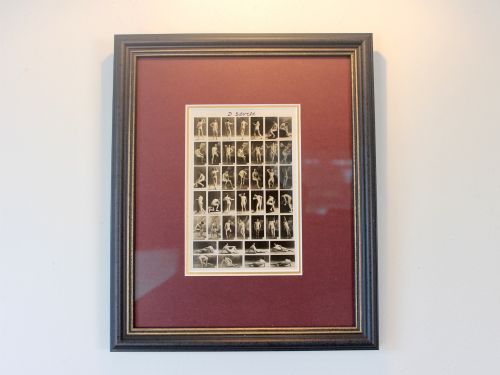


Classic Art Print
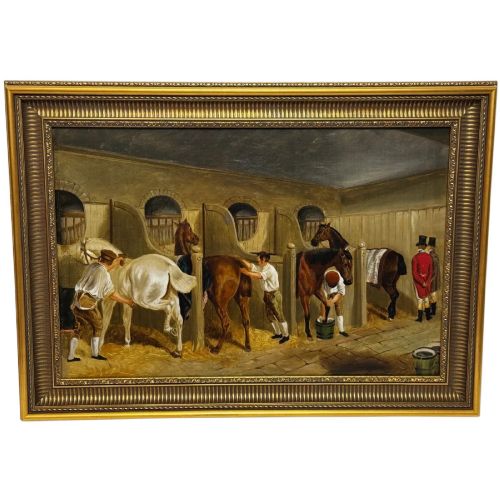
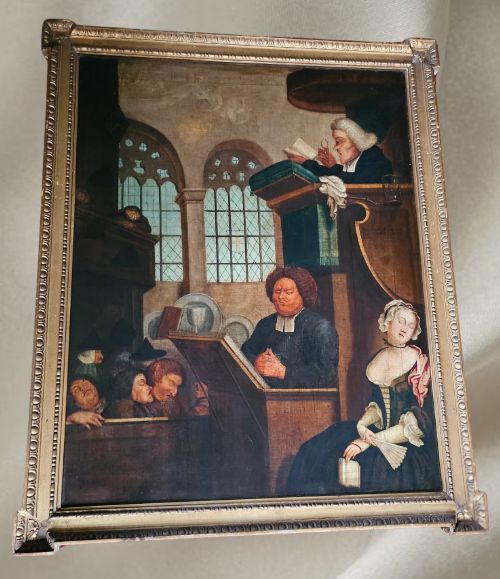
Classic art print encompasses framed prints, engravings, and oil paintings from the eighteenth century to the mid-twentieth century, offering period wall decor.
Classic Art Print
A classic art print covers a broad spectrum of historical wall art, ranging from eighteenth-century French engravings to mid-twentieth-century posters and photography. Buyers seek these pieces to bring authentic period character and traditional subject matter into domestic interiors.
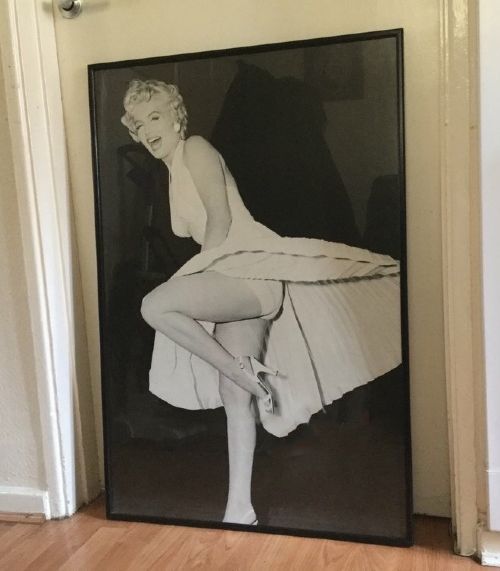
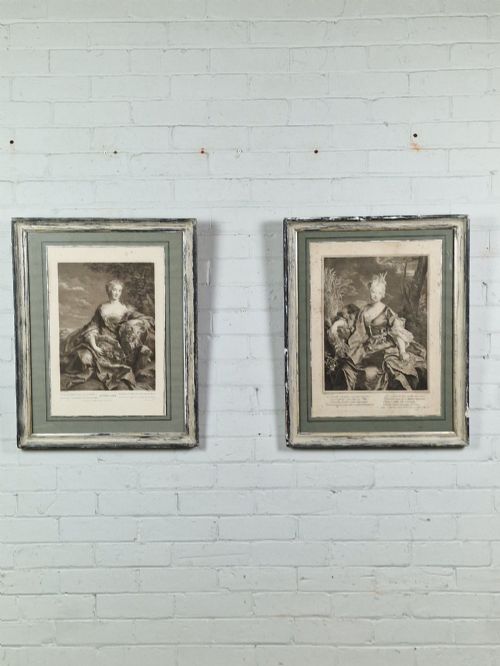
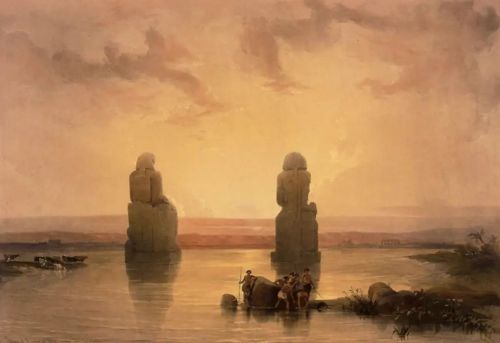
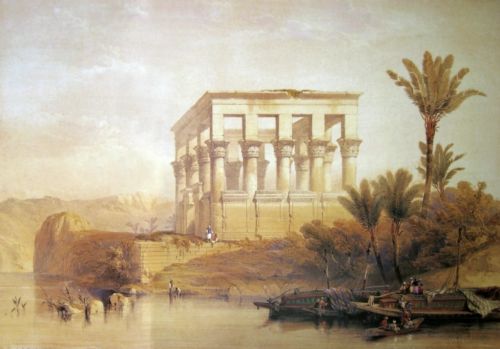
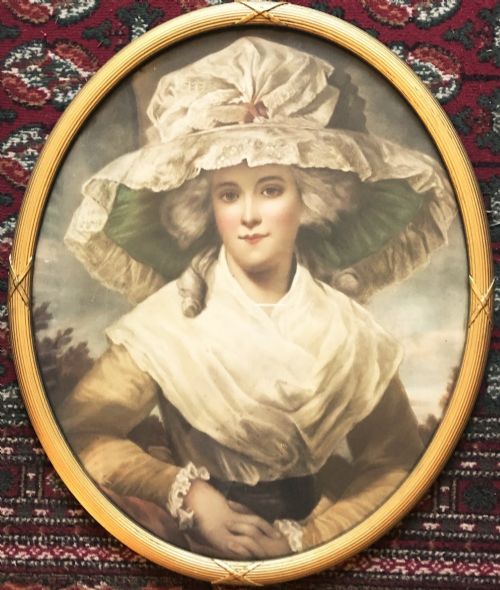
The selection on this page leans heavily toward nineteenth-century engravings and framed prints, alongside early twentieth-century etchings and vintage film posters. Forms vary from small oval portraits to large framed oil paintings on canvas and board.
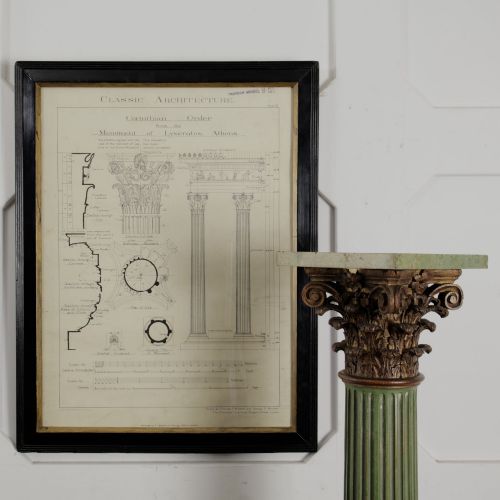
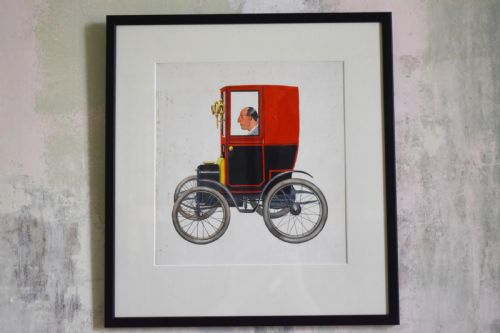
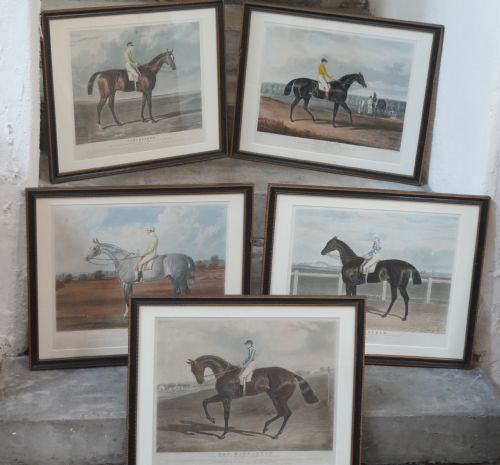
Origins span British, French, and broader European publishing traditions, reflecting sporting scenes, architectural plates, portraits, and literary subjects. Each piece records the prevailing aesthetic of its decade, from Victorian sentimentality to Art Deco graphic design.
Materials and construction methods
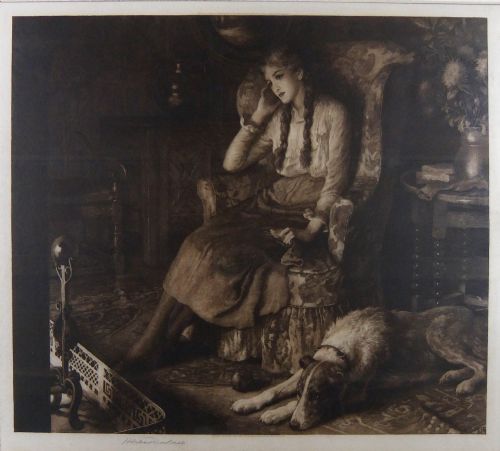
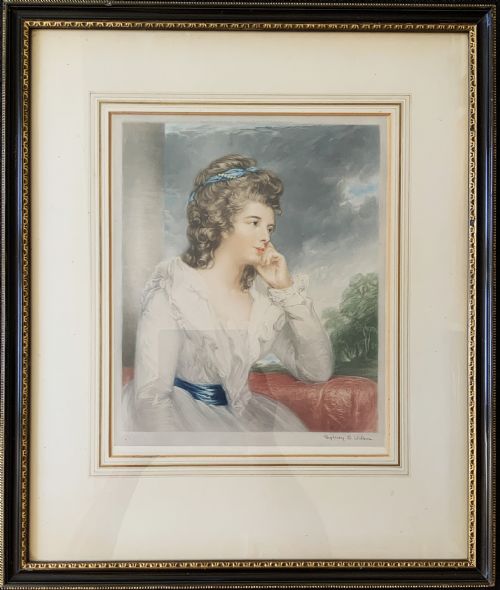
Paper and ink form the basis of the printed works, utilising traditional engraving, etching, and mezzotint techniques applied by hand or press. These works are frequently paired with glass protection and wooden or gilt wood frames.
Canvas and board serve as supports for oil paintings and watercolours, employing mediums like oil paint and gold leaf. Original frames often utilise carved and gilded wood appropriate to the period of the artwork.
Listings feature paper, glass, wood, ink, oil on canvas, gilt wood, canvas, and gold leaf across multiple centuries.
Distinctions in quality and execution
Quality rests upon the crispness of the impression in engravings and etchings, where sharper lines denote superior plate condition and careful pulling. In oil paintings, the dexterity of brushwork and depth of pigment dictate the visual success of the composition.
Framing integrity significantly alters the overall presentation, with period-appropriate gilt wood and sound glazing holding higher esteem than modern replacements. The direct association with recognised artists or master engravers elevates the standing of individual pieces.
Herbert Dicksee·David Roberts·Sydney Wilson·Gustave Doré·Adolphe Pannemaker·Hendricus Joseph Dillens·Sir Thomas Lawrence·Terence Loudon·Arthur Hacker·James Dobie·W Dendy Sadler·C de Falens·Franz Reder Broili·Margaret Evangeline Wilson·Landseer·Tom M Hemy·J F Herring
The Classic Art Print Glossary
- Engraving
- A printmaking process where an artist cuts lines into a metal plate to hold ink. This technique produces fine, precise details suited to historical illustrations.
- Etching
- A method where acid bites lines into a metal plate covered with a protective ground. The resulting lines possess a characteristic freedom and fluidity.
- Mezzotint
- A tonal printmaking process that achieves subtle gradations of light and shade. It was widely used for reproducing oil paintings during the eighteenth and nineteenth centuries.
- Artist proof
- An impression of a print taken before the final edition is produced, typically retained by the artist for personal review. These carry particular weight among collectors.
- Gilt wood
- Wood coated with a thin layer of gold leaf or metallic paint. It is commonly found on traditional frames from the Victorian and earlier periods.
Classic Art Print: Frequently Asked Questions
How do I identify an original etching from a reproduction print?
Examine the surface under magnification to check for a plate mark, which is the indentation left by the metal plate pressing into the damp paper.
Original etchings display slightly raised ink lines and subtle paper depression, whereas modern reproductions show a flat dot matrix or uniform lithographic surface.
What is the best way to hang and light framed engravings?
Hang paper works away from direct sunlight to prevent the fading of ink and yellowing of the paper support over time.
Utilise low-voltage LED picture lights or indirect ambient lighting to illuminate the gilt frames and delicate paper details safely.
How do I care for antique oil paintings on canvas?
Keep paintings in rooms with stable humidity and temperature levels to prevent the canvas from slackening and the paint layer from cracking.
Dust the surface gently with a soft, dry brush and avoid using chemical cleaners or damp cloths on the oil pigment.
Can I replace the glass on a vintage framed print?
Original glass should be retained whenever possible, particularly if it shows the slight ripples and bubbles characteristic of older manufacturing methods.
If replacement is necessary for conservation, opt for UV-filtering museum glass to protect the paper underneath from light damage.