

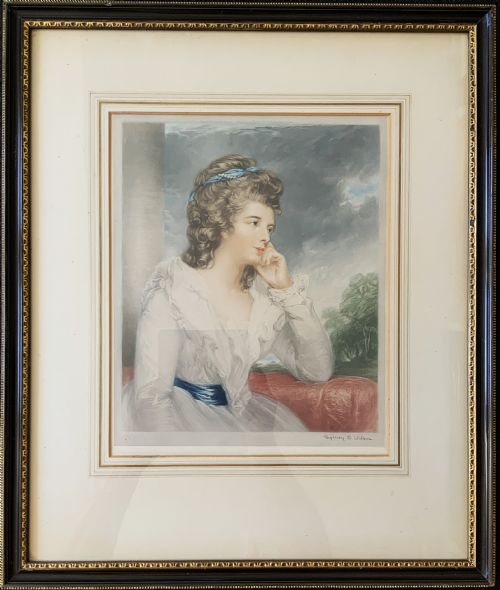
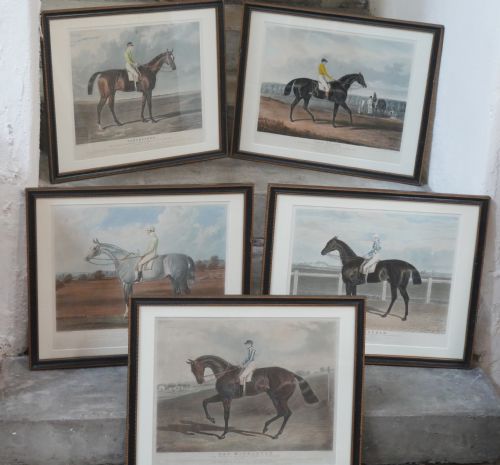


Classic Art Engraving
These classic art engraving pieces bring historic printmaking into modern spaces, offering buyers genuine periods like the eighteenth century and Victorian eras through detailed works on paper.
Classic Art Engraving
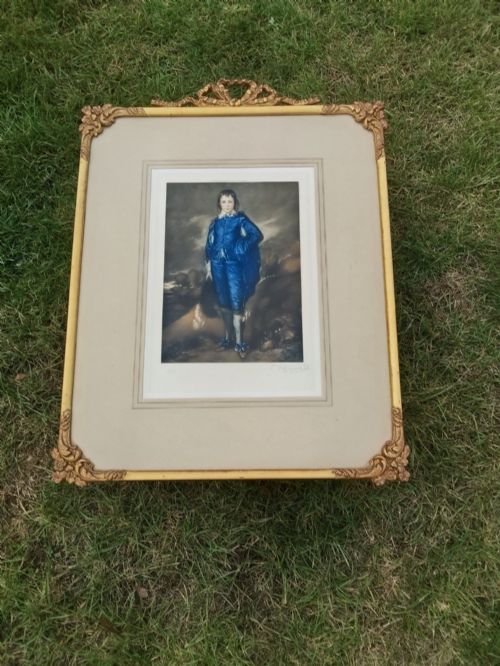
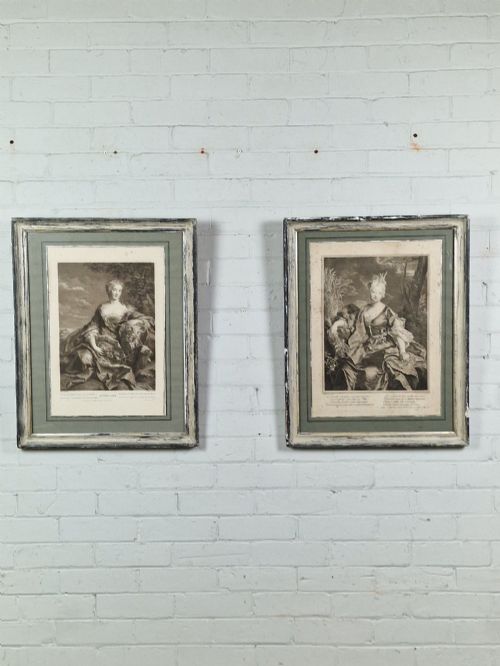
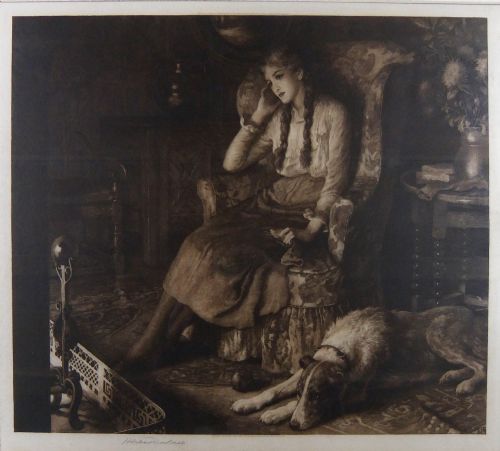
A classic art engraving captures historical scenes, portraits, and landscapes through intricate printmaking techniques spanning multiple centuries. These works include antique French landscapes, equestrian sets, and literary subjects produced across the eighteenth and nineteenth centuries.
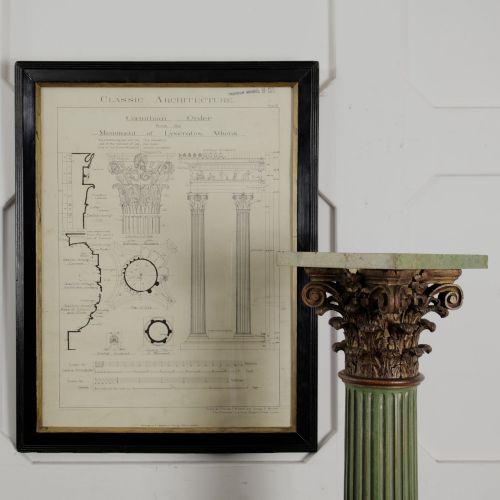
Buyers will encounter framed prints, individual plates, and artist proofs alongside unexpected forms like silver-plated cocktail shakers and platinum wedding bands. The paper works remain the most prominent format on this page, reflecting traditional print methods from distinct historical periods.
The selection ranges from early French Rococo compositions to Edwardian sporting subjects and Art Deco pieces. Each object preserves the visual culture of its specific era through skilled execution on paper or metal.
Materials and construction
Paper serves as the primary ground for these printed works, paired with ink to capture fine lines and tonal depth. Frames often incorporate wood and glass to protect the delicate surfaces.
Metal items utilise silver plate and gold leaf alongside oak framing, showing how engraving techniques extended beyond paper into functional objects and jewellery. The combination of traditional ink printing and protective framing defines the physical nature of these pieces.
Classic Art Engraving Retail Price Guide 2026
Typical asking prices for classic art engraving among the pieces listed under this phrase on Sellingantiques today, from the lower quarter to the upper quarter. They describe what is for sale here now, not the wider market.
Golf enthusiasts can study a stymied match while mixing a drink from a cocktail shaker bearing engraved recipes.
Factors of quality
Quality rests upon the crispness of the impression and the skill of the original draughtsman and the subsequent engraver. Clear plate marks and well-preserved paper without excessive discolouration elevate a work.
The sophistication of the composition, whether an elaborate hunting scene or a detailed portrait, distinguishes finer examples. Furthermore, the quality of contemporary framing and the clarity of artist signatures or proofs contribute to the standing of each piece.
Herbert Dicksee·Sydney Wilson·Gustave Dore·Adolphe Pannemaker·James Dobie·W Dendy Sadler·C de Falens·Tom M Hemy·J F Herring
The Classic Art Engraving Glossary
- Engraving
- A printmaking process where an artist cuts a design into a hard surface, traditionally a metal plate, using a burin. The resulting grooves hold the ink that transfers to paper under pressure.
- Etching
- A method where acid bites lines into a metal plate covered with a protective ground. This technique allows for fluid, expressive lines compared to direct engraving.
- Mezzotint
- A tonal printmaking method that works from dark to light by roughening the metal plate to hold ink. It produces rich, velvety gradients well suited for portraits.
- Artist Proof
- An impression printed for the artist's own use, typically outside the regular edition. These carry particular weight for collectors seeking early or exceptional pulls.
- Plate Mark
- The indented impression left on the paper by the edge of the printing plate during the press run. Its presence confirms a genuine intaglio print.
Classic Art Engraving: Frequently Asked Questions
What is a classic art engraving?
A classic art engraving is a printed work created by incising a design onto a plate, which transfers ink onto paper. These pieces capture historical subjects, portraits, and scenes from centuries past.
They represent traditional craftsmanship and offer a direct connection to historical printmaking methods used by artists and master engravers.
How do I care for antique prints?
Antique prints on paper require protection from direct sunlight to prevent fading and discolouration over time. Keeping them in stable humidity conditions prevents paper degradation and mould growth.
Displaying them behind quality glass in secure frames helps shield the delicate ink and paper from environmental dust and moisture.
How are different periods identified?
Periods are identified through stylistic cues such as Regency elegance, Victorian narrative detail, or Art Deco geometry. Details in clothing, architecture, and framing materials also point to specific eras like the nineteenth century.
Signatures, publisher inscriptions, and plate characteristics often provide further evidence of a piece's chronological origin.
Are these works original prints?
Many listings feature original etchings, mezzotints, and engravings pulled from plates during their respective historical periods. These are distinct from modern photographic reproductions because they use traditional intaglio printing techniques.
Examining the surface with a loupe reveals the characteristic ink transfer and paper indentation of authentic period printmaking.