

Classic Table
A classic antique table brings centuries of domestic craft into a room, offering functional surfaces built from enduring timbers.
Classic Table
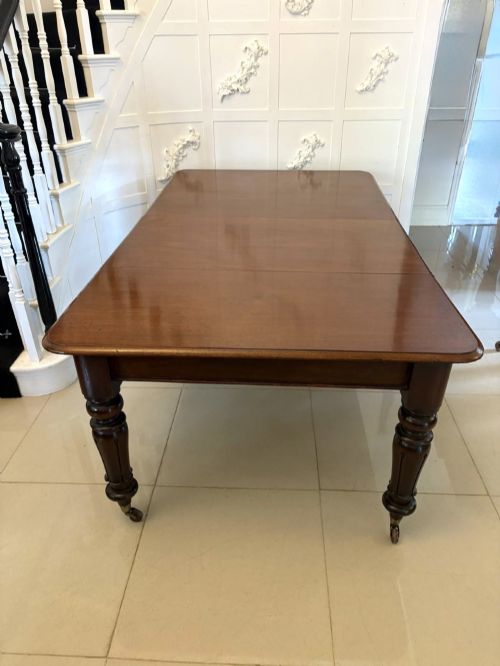
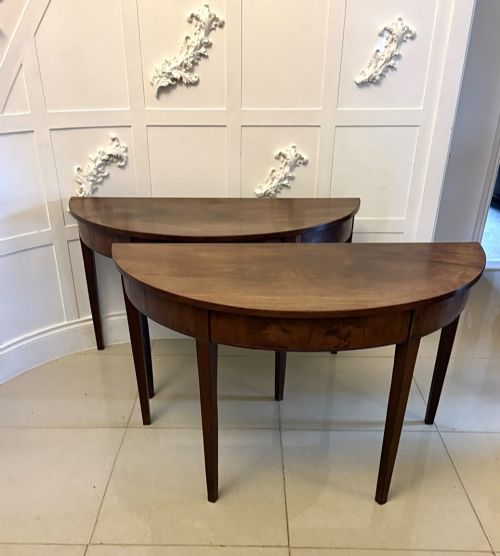
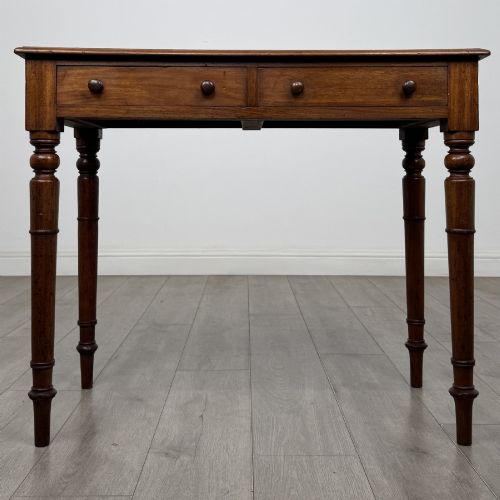
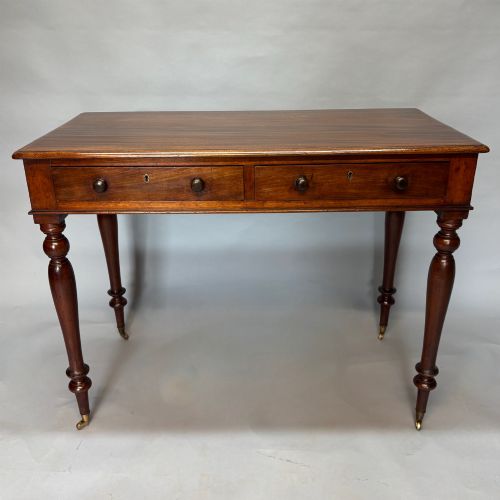
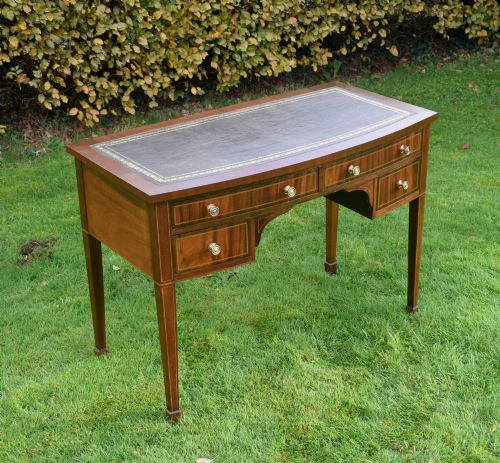
When searching for a classic antique table, buyers encounter diverse forms ranging from dining tables and side tables to desks and bedside cabinets. The selection spans centuries of design, including Georgian, Regency, Victorian, and Edwardian periods.
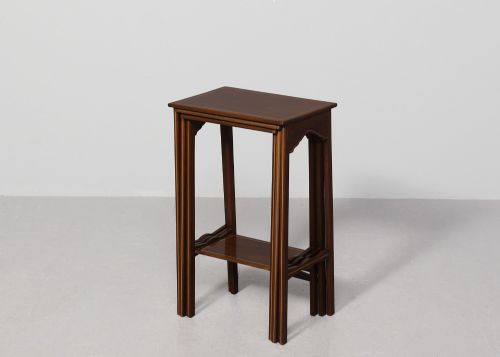
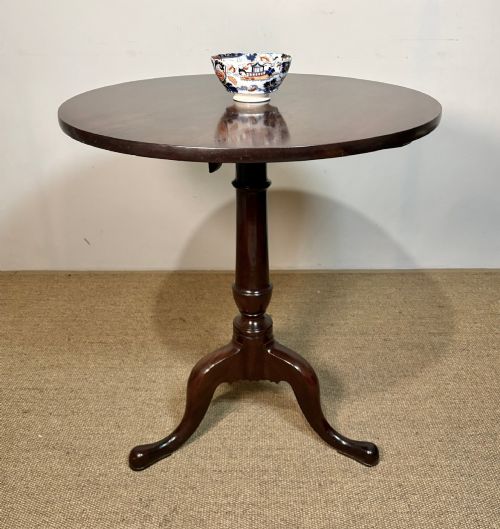
Mahogany dominates the offerings, alongside walnut and various mixed woods. Pieces vary from simple tripod and nest tables to elaborate pedestal desks and twin-pillar dining tables.
Many listings incorporate revival styles such as Georgian Style and Regency Revival, reflecting later periods reproducing earlier aesthetic standards.
Materials and construction methods
Makers utilised solid timbers like mahogany and walnut, frequently selecting wood for its grain pattern and stability in domestic settings. Inlaid details, hidden drawers, and carved pillars demonstrate traditional cabinet-making techniques.
Surface treatments and hardware incorporate brass fittings, leather inserts, and marble tops to enhance utility and visual weight. Structural joints rely on period joinery methods appropriate to the specific decade of production.
Classic Table Retail Price Guide 2026
Typical asking prices for classic table among the pieces listed under this phrase on Sellingantiques today, from the lower quarter to the upper quarter. They describe what is for sale here now, not the wider market.
Several side tables conceal hidden drawers, offering secret compartments for storing letters and small valuables away from prying eyes.
Distinctions in construction and design
Quality separates simple utility items from pieces showing superior timber selection and refined cabinet work, such as butterfly inlay on Pembroke tables or intricately carved pedestals on desks.
The integrity of secondary woods, the execution of drawer linings, and the crispness of carved details dictate the overall standard of a piece across the 18th, 19th, and early 20th centuries.
Maple and Co·Royal Worcester·Pierre Collinet
The Classic Table Glossary
- Pembroke table
- A small occasional table with hinged drop leaves on either side, often featuring a single drawer.
- Partners desk
- A large double-sided desk designed for two people to work opposite one another, frequently featuring leather writing surfaces and banks of drawers.
- Tripod table
- A small round table supported by a central pillar on three spreading feet.
- Twin-pillar dining table
- A large table supported by two distinct pedestals, often designed to accept removable leaves for extension.
Classic Table: Frequently Asked Questions
What is a partners desk used for?
Partners desks were originally built for professional offices or libraries to allow two individuals to work face-to-face.
They feature cupboards and drawers accessible from both sides beneath a large leather-lined top.
How do I care for a mahogany table?
Keep wooden surfaces away from direct sunlight and heat sources to prevent the timber from drying out or splitting.
Apply traditional wax polishes sparingly and buff with a soft cloth to maintain the finish.
Are nest of tables a later invention?
Nests of tables appear in various forms across the late 19th and early 20th centuries as flexible living room furniture.
They provide multiple surfaces that stack together neatly when floor space is required.