



Classic Couch
These are a classic antique couch, substantial seating pieces shaped by centuries of English and continental design that anchor a room with enduring character.
Classic Couch
A classic antique couch brings traditional presence to a room, drawing on centuries of craftsmanship across various domestic settings. When searching for this phrase, buyers encounter substantial seating pieces designed for comfort and formal reception alike.
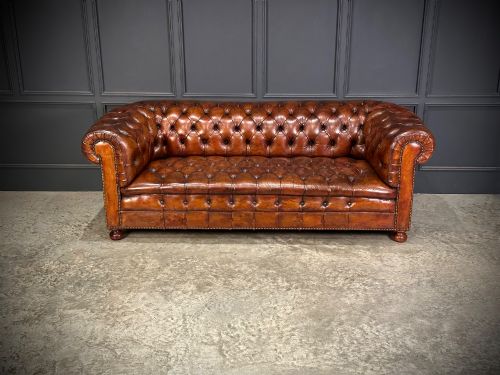
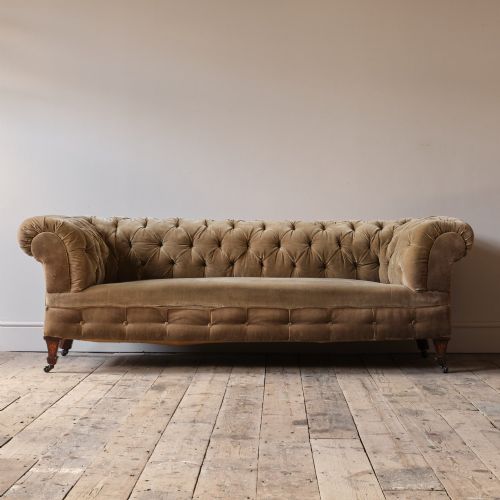
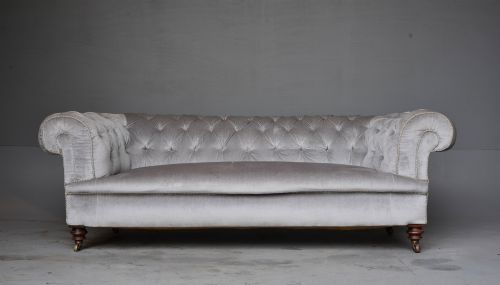
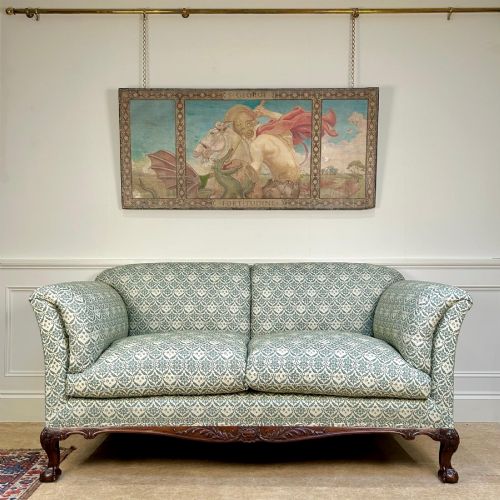
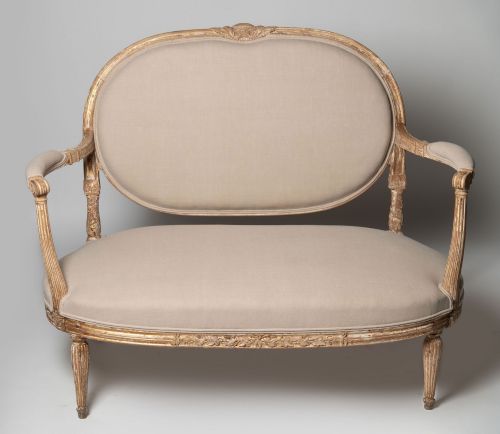
The selection on this page centres primarily on nineteenth century examples, including Victorian Chesterfields alongside Edwardian and 1930s variations. Pieces range from country house settees to French giltwood and walnut forms.
Makers such as Howard & Sons and Robert Strahan & Co appear among the listings, alongside country house and French styles. Buyers also find camel back shapes and deep buttoned leather finishes spanning multiple eras.
How they were made
Construction relies upon traditional timber frames built from hardwood and mahogany, providing structural integrity for heavy use. Coil springing and horsehair stuffing offer interior support that maintains shape over generations.
Upholstery materials include hand dyed leather, linen, fabric, and gold damask, secured with traditional deep buttoning techniques. Brass accents and giltwood carving appear on specific continental and revival pieces.
Frames incorporate exposed wood details in walnut or mahogany, while leather surfaces receive hand finishing to achieve varied tones. Joinery methods reflect the specific period of manufacture, from nineteenth century framing to early twentieth century coiled upholstery.
Classic Couch Retail Price Guide 2026
Typical asking prices for classic couch among the pieces listed under this phrase on Sellingantiques today, from the lower quarter to the upper quarter. They describe what is for sale here now, not the wider market.
Listings feature pieces spanning the nineteenth century, Victorian era, Edwardian period, and the 1930s, constructed in mahogany, walnut, brass, leather, linen, and hardwood.
What varies in quality
Quality rests upon the integrity of the internal frame and the retention of original stuffing methods like horsehair and coil springs. Finer examples exhibit superior joinery and hand selected timber that withstands decades of structural pressure.
The treatment of surface materials marks a distinct tier in craftsmanship, from expertly hand dyed leather to fine damask and fabric upholstery. Maker attribution, particularly pieces associated with workshops like Howard & Sons, elevates the standing of an individual couch.
Proportion and stylistic execution separate standard workshop output from exceptional design, seen in the balance of a camel back or the precision of deep buttoning. The harmony between frame carving, upholstery choice, and period characteristics defines the upper tier.
Howard & Sons·Robert Strahan & Co
The Classic Couch Glossary
- Chesterfield
- A traditional sofa characterised by deep buttoned upholstery and scrolled arms of equal height. This form relies on leather or fabric surfaces and prominent tufting.
- Knole sofa
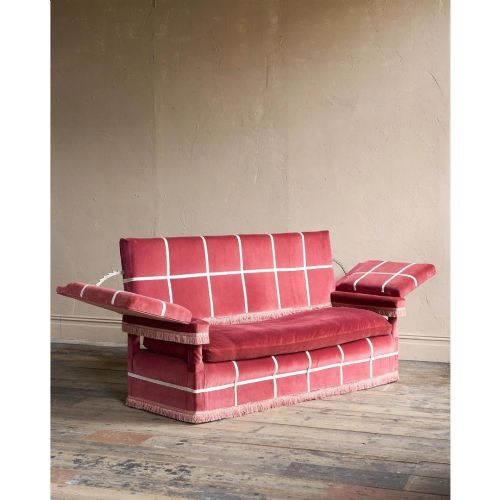
- An early upholstered seating form featuring adjustable hinged arms that can be raised or lowered. It typically uses heavy damask or textile coverings with visible wooden framing.
- Camel back
- A classic sofa design featuring a distinctive undulating curved top rail that resembles a camel's hump. This outline appeared frequently in eighteenth and nineteenth century seating.
- Horsehair gilled
- An internal stuffing method utilising natural horsehair to build firm, resilient cushioning. This material provides traditional support beneath leather or fabric top layers.
- Giltwood
- Timber treated with gold leaf or gold paint to create a decorative metallic surface. This finish appears primarily on French and revival frames.
Classic Couch: Frequently Asked Questions
What is a Knole sofa?
A Knole sofa is a traditional seating form distinguished by high, adjustable hinged arms tied with heavy braids and tassels. This design originates from seventeenth century English country houses and uses formal textiles like damask.
Modern interpretations and antique survivals retain the characteristic upright back and folding side panels. They function as dramatic focal points in traditional interior schemes.
How should I care for antique leather?
Antique leather requires gentle cleaning and regular conditioning to preserve the natural fibres and hand dyed finish. Avoid placing leather couches in direct sunlight or near heat sources to prevent drying and cracking.
Allowing the material to breathe and addressing spills promptly maintains the historical patina. Professional restoration should be consulted for significant structural or surface repairs.
What defines a country house sofa?
A country house sofa prioritises deep comfort and generous proportions, often upholstered in worn leather, linen, or faded fabrics. These pieces reflect decades of domestic use within English estates.
Their appeal lies in comfortable seating depths and relaxed silhouettes that complement traditional living spaces. Construction typically involves robust hardwood framing and traditional stuffing materials.