




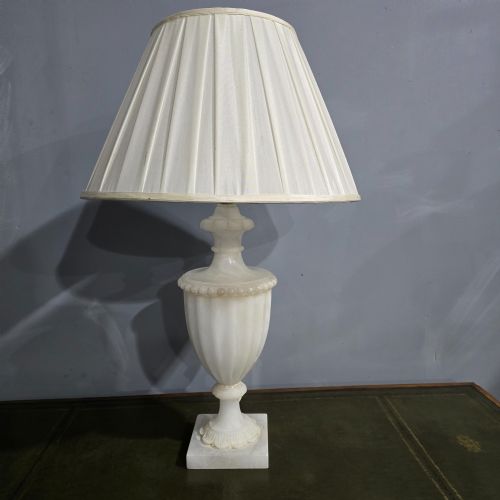


Classic Accent Lamp
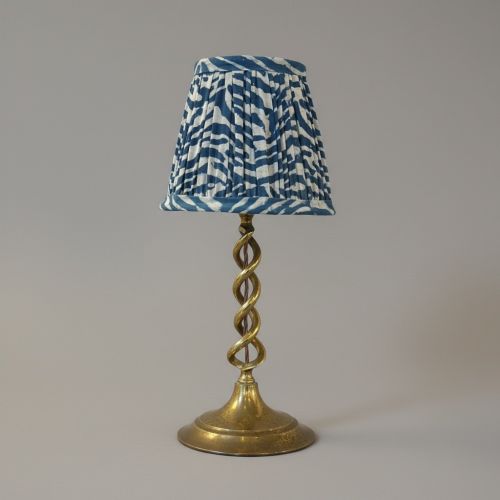
These classic accent lamp pieces bring focused illumination and period character to a room, offering both decorative presence and functional light.
Classic Accent Lamp
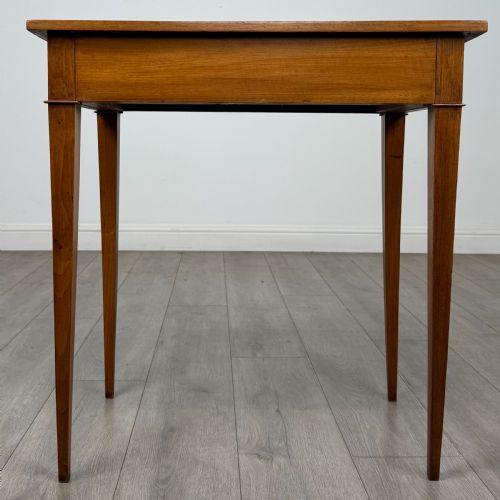
A classic accent lamp provides localized lighting while adding distinct period style to interiors through varied forms and materials. When exploring this selection, buyers encounter table lamps alongside occasional and side tables that serve related functional roles in domestic spaces.
The pieces span multiple historical periods, notably the Edwardian era and the early twentieth century, alongside Victorian and Georgian examples. These items draw on traditional English, Neoclassical, Gothic, and French revival styles to create their characteristic silhouettes.
Materials and Construction
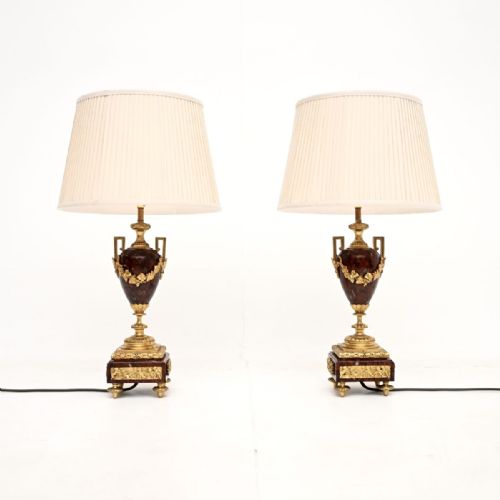
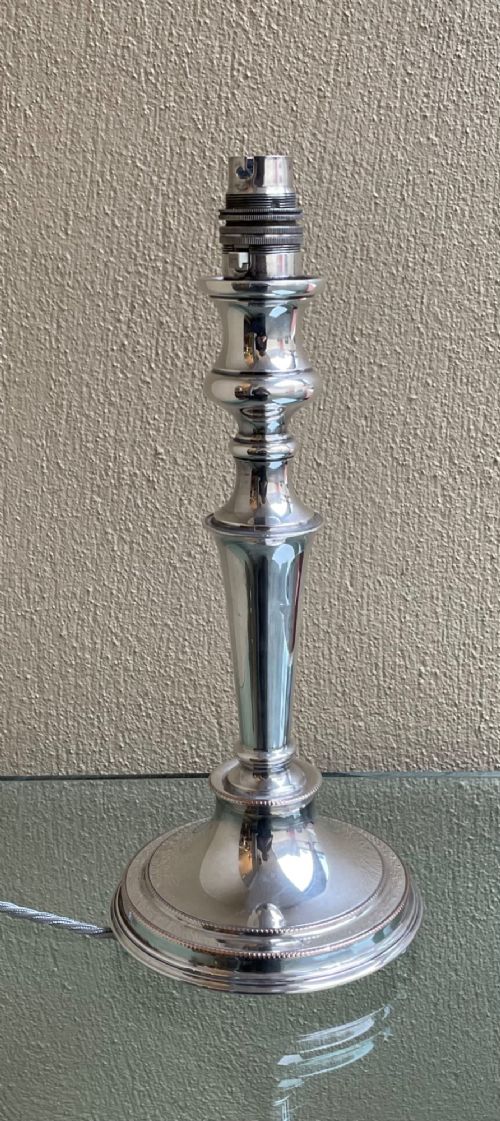
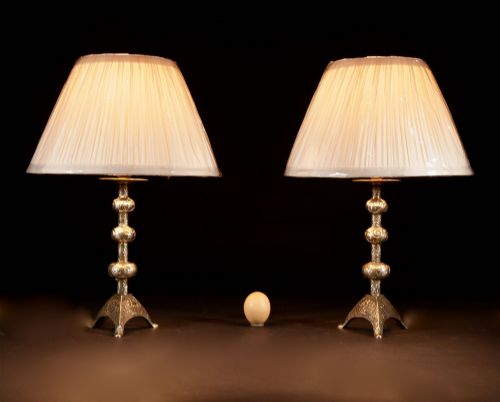
Makers utilised cast and solid brass, gilt bronze, and silver plating to construct durable metal bases, often pairing them with carved marble, alabaster, or cut crystal glass. These rigid materials provide the necessary weight to support standard table lamps securely.
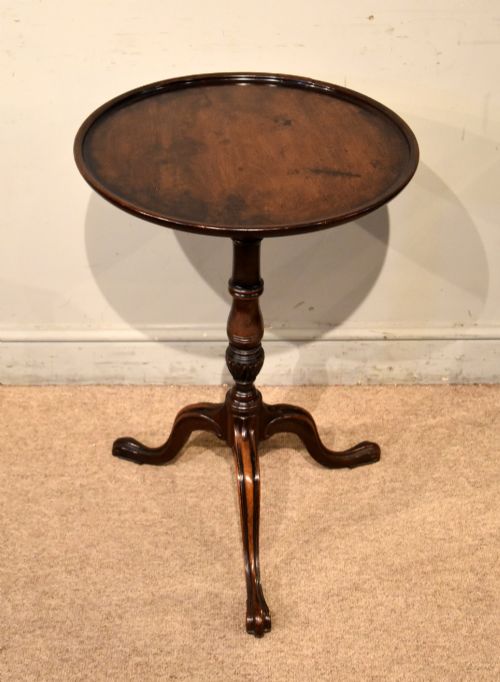
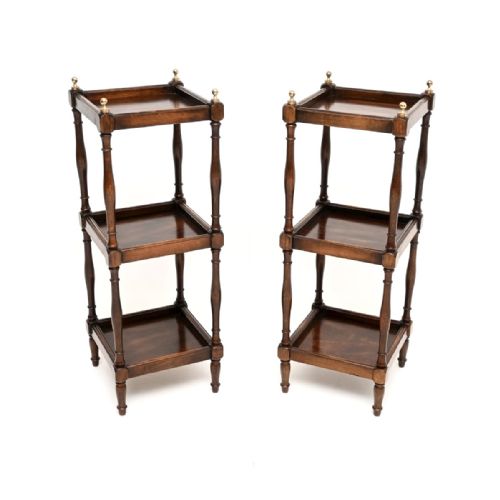
Wooden furniture pieces such as occasional and tripod tables combine mahogany, walnut, and fabric elements to achieve structural stability. Craftsmanship relies on traditional joinery and turning techniques suited to each specific period style.
Classic Accent Lamp Retail Price Guide 2026
Typical asking prices for classic accent lamp among the pieces listed under this phrase on Sellingantiques today, from the lower quarter to the upper quarter. They describe what is for sale here now, not the wider market.
Several pieces feature hidden drawers and cast cherubs, reminding us that past makers loved a secret compartment or a winged helper.
Assessing Quality and Execution
Quality separates objects by the precision of their casting and the clarity of their cut crystal or marble components. Finer examples display crisp detailing in revival motifs and superior finish on metal and wooden surfaces.
Construction integrity distinguishes better specimens, particularly in the stability of tripod bases and the precise fitting of multi-tier side tables. The choice of materials, from solid brass to select hardwoods, dictates the overall longevity and physical heft of the piece.
The Classic Accent Lamp Glossary
- Cast brass
- Metal poured into a mould to create decorative components with defined surface relief. This technique allows for intricate revival detailing on lamp bases.
- Gilt bronze
- Metal coated with a thin layer of gold to produce a rich, durable surface finish. It appears frequently on French decorative pieces.
- Tripod table
- A small stand supported by three legs, offering a compact surface for lamps or ornaments. Edwardian and Georgian versions often feature circular or star-shaped tops.
- Cut crystal
- Glass shaped through precision cutting and polishing to refract light effectively. It provides high optical clarity and weight in lamp bodies.
- Occasional table
- A movable piece of furniture designed for specific, intermittent use within a room. These tables frequently serve as stands for lighting.
Classic Accent Lamp: Frequently Asked Questions
How do I style a classic accent lamp?
Place the lamp on a sturdy side or occasional table to create a balanced focal point in a seating area. Ensure the scale of the base matches the surrounding furniture for a cohesive interior scheme.
Combine different periods thoughtfully, using Edwardian or brass lighting to accent traditional wooden tables. The varied materials allow the pieces to integrate into both formal and relaxed room settings.
What materials are common in these lamps?
Brass, bronze, and silver plating form the primary metallic elements found across the selection. These metals are frequently combined with marble, alabaster, or cut crystal glass.
Fabric elements and turned mahogany or walnut woods also appear in related support furniture. Each material contributes distinct weight and optical texture to the object.
How do I identify the period of a lamp?
Examine the stylistic motifs, such as Gothic revival arches or Neoclassical ornamentation, which point to specific manufacturing decades. The choice of materials, like cut crystal or majolica alongside brass, often reflects the prevailing tastes of the Edwardian era or the early twentieth century.
Construction methods and fasteners offer further clues to age. Comparing the joinery on wooden components helps verify whether a piece dates to the Victorian period or earlier.
Where should I place an occasional table?
Position these smaller tables beside armchairs or sofas where they can easily hold an accent lamp or a book. Their compact footprint makes them versatile additions to corners and hallways.
Ensure the surface height allows convenient access to the lamp switch. A stable placement prevents tipping, particularly with tripod designs.