

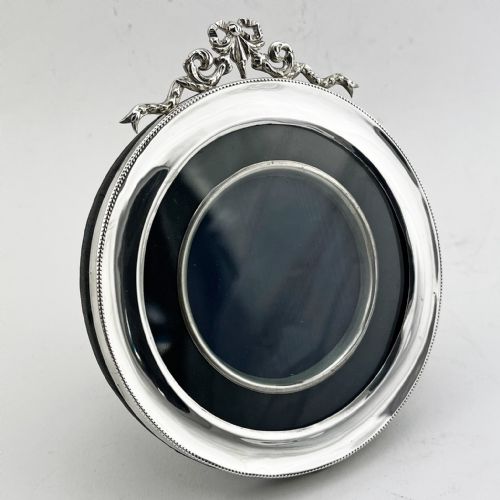


Circular Portrait Frame
A circular portrait frame holds a likeness close, and these round surrounds elevate miniatures and photographs with genuine period character.
Circular Portrait Frame
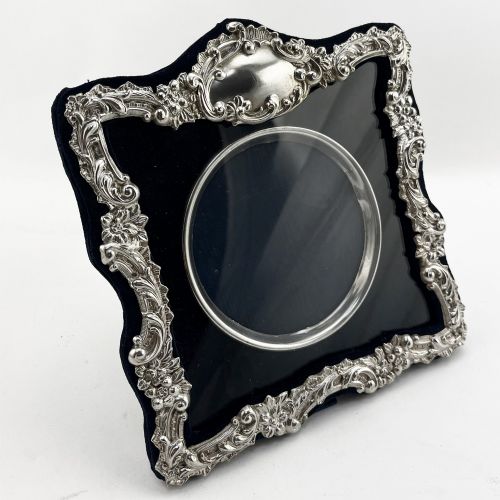
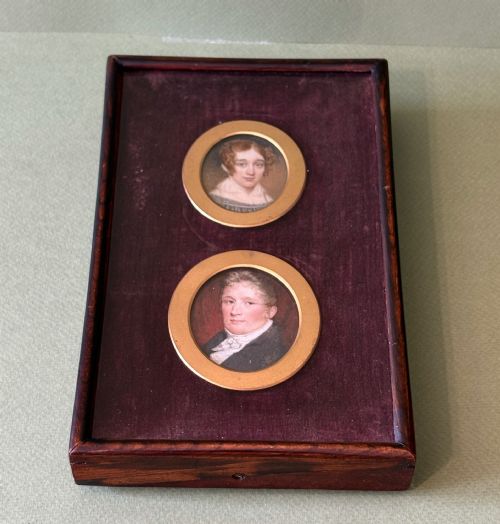
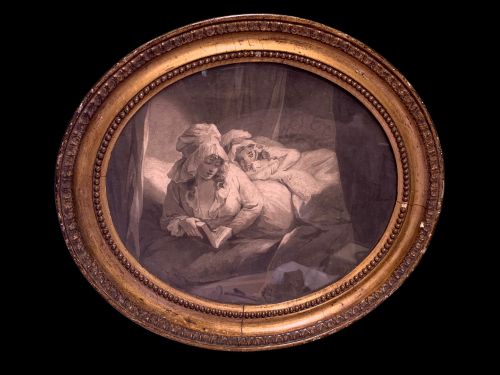
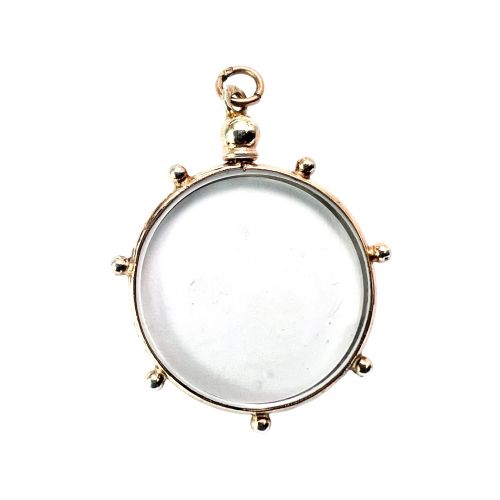
A circular portrait frame provides a distinctive round setting for miniatures, prints, and photographs from the eighteenth century through the Edwardian era. These pieces appear in forms ranging from silver photo frames to wall art and locket pendants.
The selection on this page covers styles such as Georgian, Regency, Victorian, and Art Nouveau. Buyers most frequently meet Edwardian sterling silver designs and nineteenth-century gilt surrounds when searching for a circular portrait frame.
Makers utilised glass, velvet, paper, brass, wood, and metal to enclose portraits and watercolours. Each object type brings a specific domestic or personal function, whether hung on a wall or placed upon a desk.
How they were made
Silversmiths and frame makers shaped sterling silver, brass, and metal into precise circular enclosures, often incorporating glass to protect the delicate watercolour or engraving within. Backings frequently featured plush velvet or wood to secure the portrait firmly in place.
Some pieces combine gold on silver with screw mechanisms, particularly in locket pendants and small-scale frames. Hand-applied gilding enhances wooden and metallic surrounds, reflecting the neoclassical and art nouveau tastes of their respective periods.
Circular Portrait Frame Retail Price Guide 2026
Typical asking prices for circular portrait frame among the pieces listed under this phrase on Sellingantiques today, from the lower quarter to the upper quarter. They describe what is for sale here now, not the wider market.
Listings span multiple centuries, incorporating nineteenth-century watercolours, eighteenth-century engravings, and Edwardian sterling silver photo frames.
What varies in quality
The distinction between standard examples and finer pieces lies in the crispness of metalwork and the integration of materials like glass and velvet. Hallmark clarity on silver components provides a reliable indicator of origin and period integrity.
Proportion and decorative detail separate simpler surrounds from those exhibiting careful craftsmanship. Original components, such as intact glass and period backings, maintain the historical cohesion of the piece.
Henry Matthews
The Circular Portrait Frame Glossary
- Sterling Silver
- A standard alloy of silver comprising parts of pure silver and other metals, frequently utilised in Edwardian and Georgian photo frames. It provides both durability and a polished finish.
- Portrait Miniature
- A small-scale painting or likeness, often executed in watercolour on paper or ivory, designed to fit snugly within a round frame or locket pendant. These works require intimate viewing.
- Locket Pendant
- A small hinged or screw-fastened casing worn on a chain, designed to hold a miniature portrait close to the body. They combine jewellery craftsmanship with portraiture.
- Gilt
- A thin layer of gold applied to wood, silver, or base metal surfaces to impart a rich golden appearance. This finish is common in neoclassical and nineteenth-century frames.
- Hallmark
- An official stamp or series of marks applied to precious metals in Britain to indicate standard of purity, maker, and assay office year. Birmingham and London offices appear frequently in these listings.
Circular Portrait Frame: Frequently Asked Questions
How were these frames used?
Circular portrait frames served as domestic desk ornaments, wall decorations, and personal jewellery items. Miniature frames and lockets allowed individuals to keep likenesses of family members close during travel or daily life.
Larger silver and wooden examples sat on mantelpieces or tables to display cherished photographs and prints of relatives. Their round geometry offered a deliberate contrast to standard rectangular domestic displays.
How do I date a silver frame?
Dating relies on official hallmarking practices, which record the assay office, metal standard, and year letter. Examining the style of engraving and the construction of the easel back or suspension loop also helps narrow the period.
Maker marks provide further context, linking specific pieces to active workshops in cities like Birmingham or London during reigns such as George V or Edward VII.
Can I replace the portrait inside?
Many frames feature accessible backs secured by turn-pins or screws, allowing the insertion of alternative photographs or prints. Care must be taken with antique glass and delicate backing materials during any change.
Sealed miniatures and locket pendants are generally not designed for frequent portrait swaps, as their internal mountings secure original historical watercolours.
What styles are represented here?
The inventory encompasses Georgian, Regency, Victorian, Edwardian, and Art Nouveau aesthetics. Neoclassical influences also appear through restrained gilding and classical portrait subjects.
Each style dictates the weight of the metal, the ornamentation of the border, and whether the piece is intended for hanging or standing.