





Circular Glass Display
A circular glass display brings a graceful silhouette to any room, turning small treasures into the focal point of an interior.
Circular Glass Display
A circular glass display serves primarily to showcase fine collections, small objects, and curated curiosities from every possible angle. These pieces combine transparent panelling with sturdy timber frames to protect delicate items while offering uninterrupted visibility.
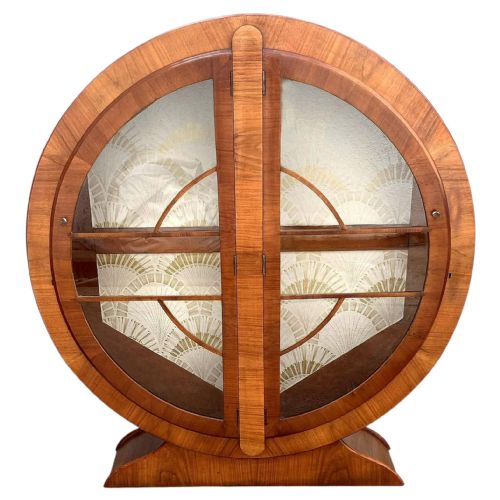
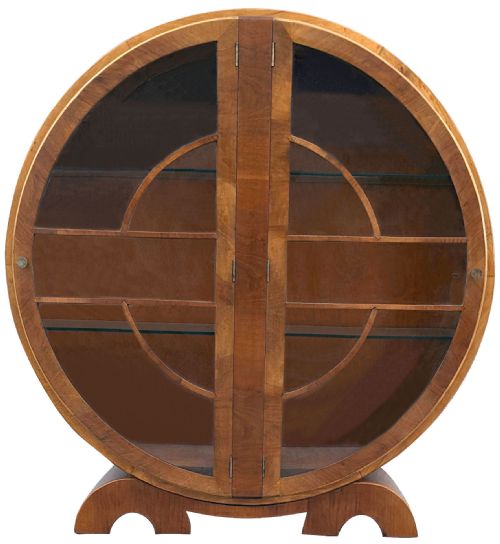
The version most commonly met on this page is the Art Deco walnut circular display cabinet, typically dating to around nineteen thirty. Alongside these, buyers find Edwardian and Victorian bijouterie tables, as well as French vitrines featuring glazed or leaded glass construction.
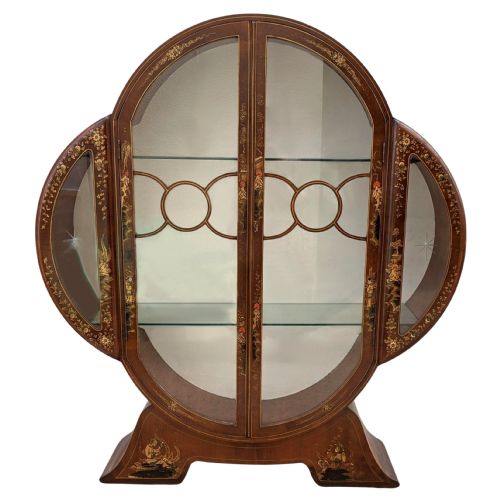
Forms range from freestanding display cabinets to low tables with glazed tops, offering versatile placement options for different interior layouts. English and French workshops produced the majority of these variations across the nineteenth and twentieth centuries.
How they were made
Cabinetmakers utilised figured walnut, mahogany, rosewood, and kingwood veneers over solid timber carcases, often incorporating intricate marquetry inlay. Brass mounts, handles, and hinges provide structural accents and functional hardware across the French and English pieces.
Curved and leaded glass panes required specialist glazing techniques to fit the rounded contours of the cabinets and table tops. Interiors were frequently lined with velvet or other fine fabrics to cushion displayed objects and enhance the visual contrast.
Circular Glass Display Retail Price Guide 2026
Typical asking prices for circular glass display among the pieces listed under this phrase on Sellingantiques today, from the lower quarter to the upper quarter. They describe what is for sale here now, not the wider market.
Materials recorded across the inventory include walnut, mahogany, rosewood, kingwood, brass, lead, fabric, and velvet.
What varies in quality
The refinement of the timber grain, particularly in figured walnut and exotic wood veneers, marks the distinction between standard and superior examples. Cabinetmaking skill shows in the smoothness of the curved door mechanism and the tightness of the joinery around the circular frame.
Glazing quality depends on the clarity and integrity of the glass, alongside the precision of leaded or brass framing work. Finer pieces display careful attention to interior fabric lining and hardware finishing that complements the overall exterior design.
The Circular Glass Display Glossary
- Bijouterie table
- A low display table with a glass top and sides, designed specifically for holding small valuable items and jewellery. These pieces typically stand on slender legs and feature a hinged or lifting glazed lid.
- Vitrine
- A glass-fronted cabinet or case used for displaying fine porcelain, curiosities, or books. The term originates from the French word for glass.
- Figured walnut
- Walnut timber possessing an attractive, highly decorative grain pattern formed by natural growth irregularities. It is sliced into thin veneers for cabinet exteriors.
- Leaded glass
- Individual panes of glass held together by narrow strips of lead called cames, forming geometric or decorative patterns. This technique is common in cabinet doors.
- Kingwood
- A dense, richly coloured tropical hardwood featuring dark violet-brown stripes, used extensively in fine French marquetry and cabinetmaking during the nineteenth century.
Circular Glass Display: Frequently Asked Questions
What is a circular glass display used for?
These cabinets and tables provide a secure, dust-free enclosure for exhibiting small collections, ornaments, and precious items. The transparent sides allow light to enter from multiple angles, illuminating the contents.
Historically, they served in drawing rooms and parlours where hosts displayed travel souvenirs, fine porcelain, and personal trinkets to visiting guests.
How do I date a circular glass display?
Dating relies on identifying stylistic markers, timber types, and construction methods associated with specific periods. Art Deco pieces from nineteen thirty often feature clean geometric lines and figured walnut veneers.
Victorian and Edwardian examples tend to incorporate more ornate brass mounts, inlaid woodwork, and distinct leg forms such as cabriole or tapered styles.
Where should I place a display cabinet?
Positioning these pieces away from direct sunlight protects both the wooden timber veneers and any displayed objects from fading. Placing them in well-lit corners or central reception rooms maximises their decorative impact.
Sufficient floor space must be allowed around freestanding cabinets to ensure doors and hinged lids can open fully without obstruction.
How do I care for the glass and wood?
Regular dusting with a soft, dry cloth preserves the polished finish of walnut, mahogany, or rosewood surfaces. Glass panels require standard glass cleaner applied to a cloth rather than sprayed directly onto the frame.
Interior fabric linings benefit from gentle vacuuming with a brush attachment to remove accumulated dust without damaging delicate fibres.