


Circa 1910 Ring
A circa 1910 ring captures the graceful spirit of the Edwardian era through delicate diamond and gemstone work.
Circa 1910 Ring
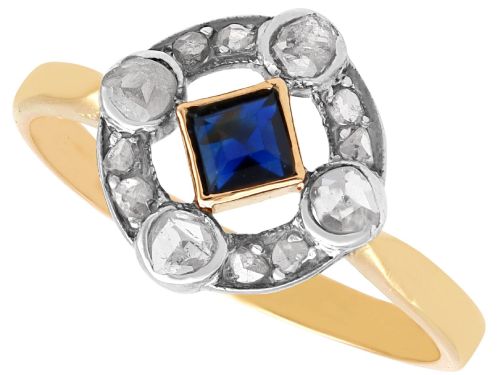
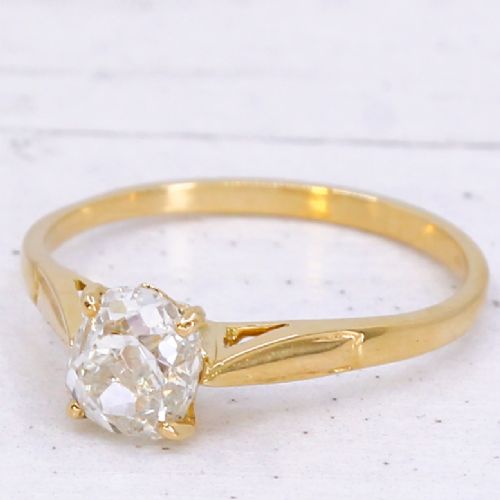
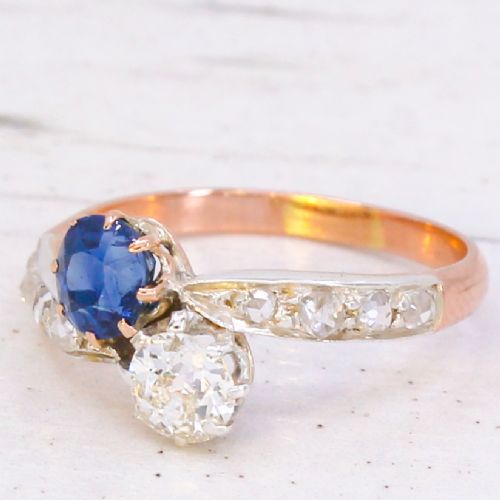
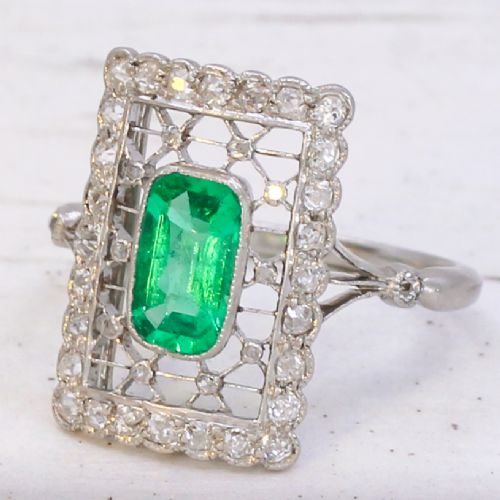
A circa 1910 ring represents fine jewellery produced during the Edwardian and Belle Epoque periods, combining intricate metalwork with diamonds, sapphires, emeralds, rubies, and pearls. Buyers seeking a circa 1910 ring frequently encounter cluster designs, solitaire engagement rings, and romantic crossover styles.
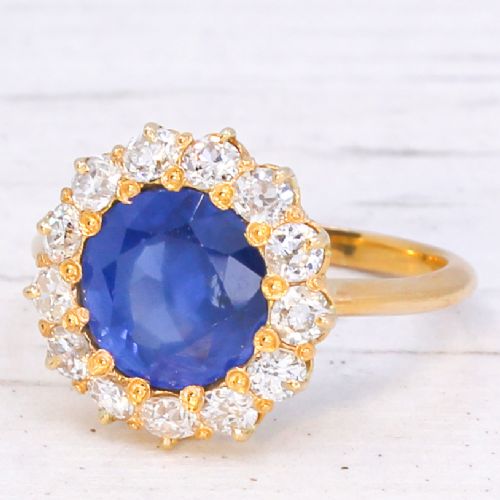
The most common forms on this page include multi-stone diamond configurations, sapphire and diamond clusters, and pearl accents set within yellow gold and platinum. These pieces reflect the transition from late nineteenth-century opulence to lighter, airier Edwardian aesthetics.
How they were made
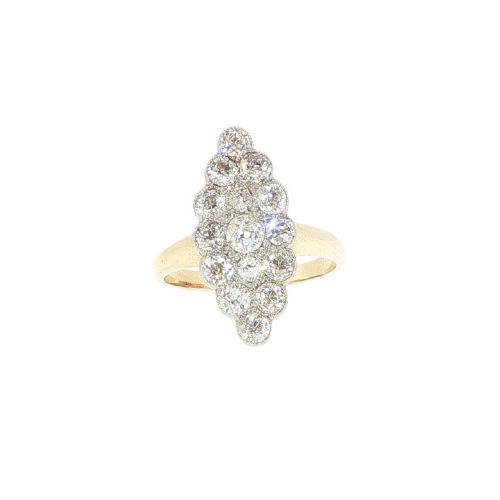
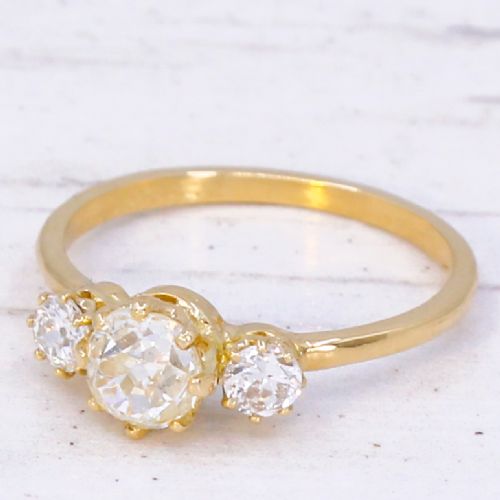
Goldsmiths of this period utilised a combination of yellow gold for warm structural bands and platinum for the upper settings, allowing for finer claw and millegrain work around stones. Old cut diamonds, including old European and rose cuts, are hand-set alongside unheated sapphires, emeralds, and natural pearls.
The integration of platinum with gold marked a technical turning point, providing the tensile strength needed for lace-like openwork mountings that let maximum light pass through each diamond and gemstone.
Current listings span the Edwardian and Belle Epoque periods, featuring yellow gold, platinum, diamonds, sapphires, emeralds, rubies, jadeite, bloodstone, and natural pearls.
What varies in quality
The distinction between tiers rests upon the proportions of the gemstones, the symmetry of the hand-cut facets, and the fineness of the millegrain beadwork along the platinum edges. Superior examples maintain balanced proportions between the central stone and surrounding cluster elements without crowding the mount.
Integrity of the original metalwork, particularly the preservation of delicate platinum piercings and uncompromised gold bands, elevates a piece. Natural gemstone certifications, such as unheated origins or negligible oil treatments in emeralds, further define the upper tier.
The Circa 1910 Ring Glossary
- Old European cut
- A round diamond cut popular in the late nineteenth and early twentieth centuries, characterised by a high crown, small table, and open culet. This cut produces distinctive broad flash patterns under candlelight.
- Millegrain
- A decorative technique involving a row of tiny raised metal beads along the edges of a setting. It frames the stones with a soft, textural border.
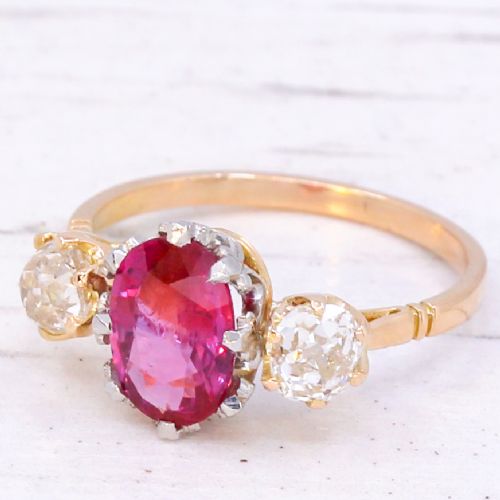
- Toi et Moi
- A ring style featuring two main gems placed side by side or in a crossover arrangement, symbolising two souls meeting. French for you and me.
- Navette
- A boat-shaped ring design pointed at both ends, also known as a marquise shape. It offers significant finger coverage through elongated geometric symmetry.
- Plat
- A shorthand reference to platinum, which gained widespread popularity in high-end jewellery manufacturing around nineteen ten due to its strength and bright white finish.
Circa 1910 Ring: Frequently Asked Questions
How do I care for a circa 1910 ring?
These antique pieces require gentle cleaning with warm soapy water and a soft brush, avoiding harsh chemical dips that can damage natural pearls or emeralds.
Because platinum and gold settings feature delicate millegrain and openwork, professional inspection every few years ensures the security of old cut diamonds and coloured gems.
Can I wear a circa 1910 ring daily?
Many buyers wear these pieces as engagement or everyday dress rings, provided the mount and prongs remain robust.
Softer organic gems like pearls demand extra caution against knocks, whereas diamond and sapphire configurations handle regular wear quite well.
How do I identify an Edwardian ring?
Edwardian pieces typically combine platinum tops with yellow gold shanks, featuring light openwork mounts and old European or rose cut diamonds.
Motifs lean towards garlands, ribbons, daisies, and geometric cluster formations that echo the decorative arts of the early twentieth century.
What is the difference between an old cut and modern diamond?
Old cut diamonds are hand-faceted with smaller tables and deeper pavilions, designed to catch gaslight and candlelight.
Modern brilliant cuts prioritise mathematical symmetry and direct brilliance, whereas antique cuts display a warmer, chunkier pattern of light.