




Church Architectural Carving
Church architectural carving brings solemnity and history indoors, offering solid oak, limestone, and pine rescued from ecclesiastical buildings.
Church Architectural Carving
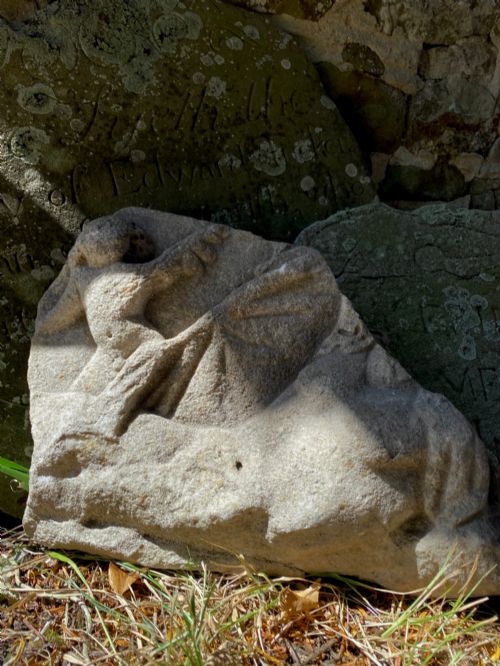
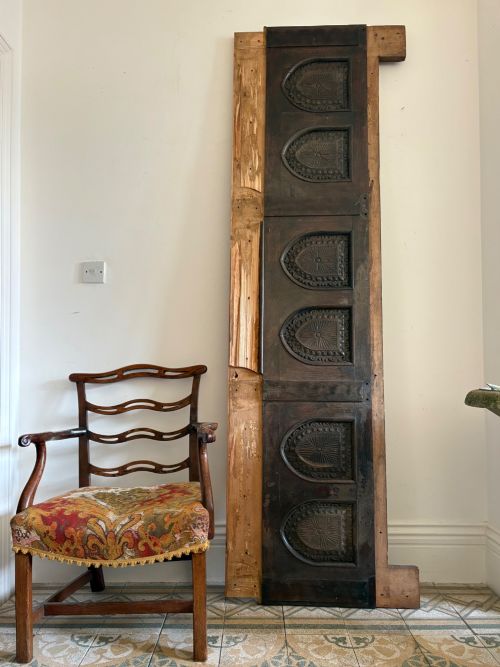
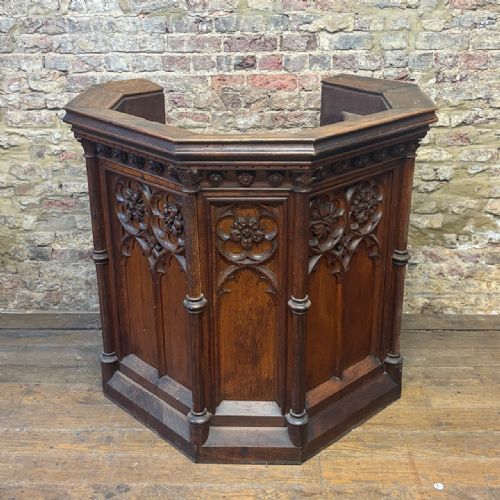
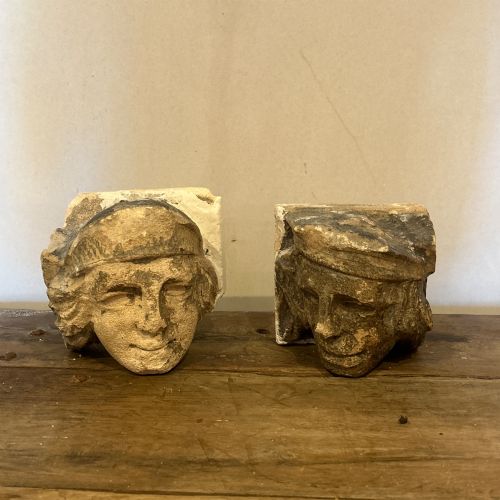
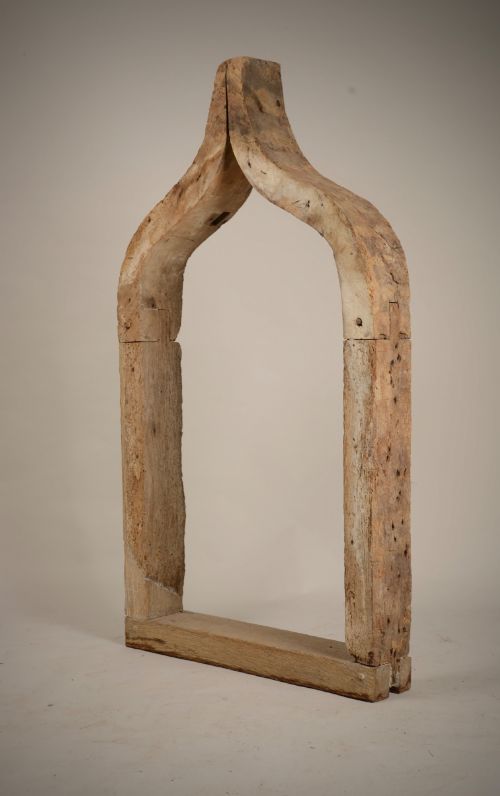
Church architectural carving comprises elements removed from religious buildings, ranging from medieval limestone corbels and pre-sixteenth century window frames to nineteenth-century oak pulpits and pine tracery panels. Buyers seek these pieces to introduce genuine ecclesiastical gravity and historic structure into domestic interiors.
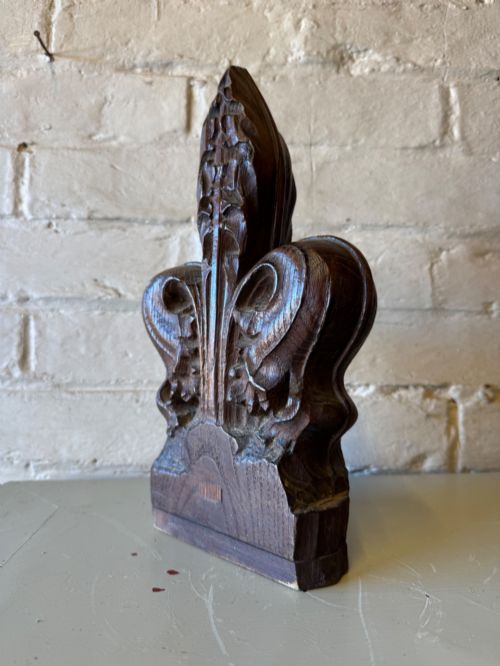
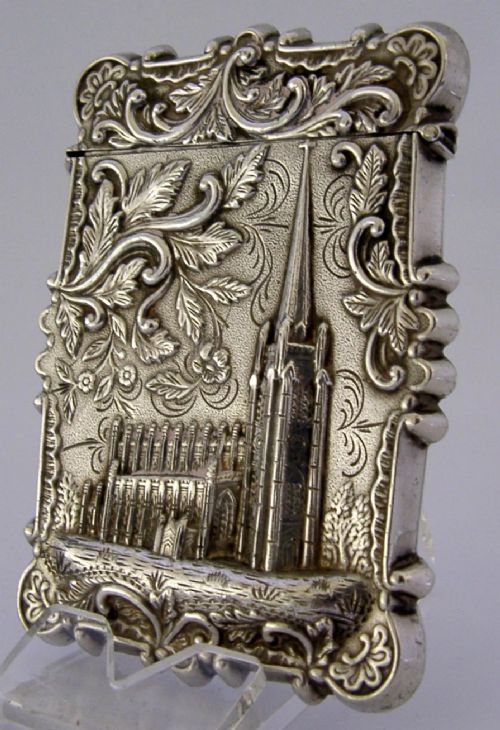
The selections encountered on this page span several centuries, with a strong representation of nineteenth-century Gothic Revival work alongside much earlier medieval fragments in stone and timber. Objects take forms such as wall sculptures, architectural panels, pinnacles, finials, and lecterns.
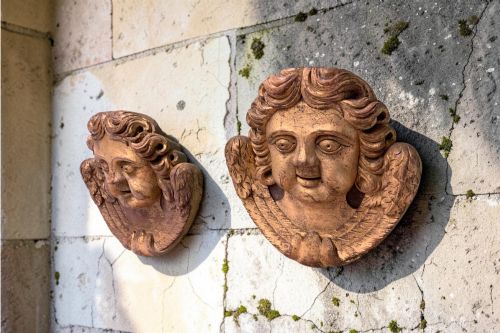
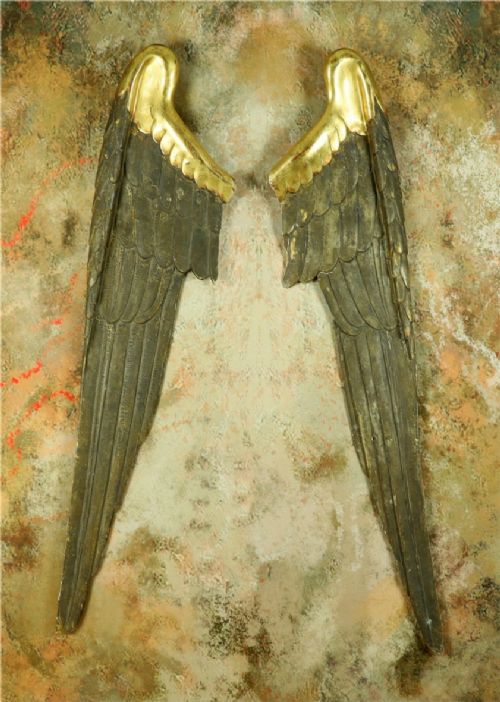
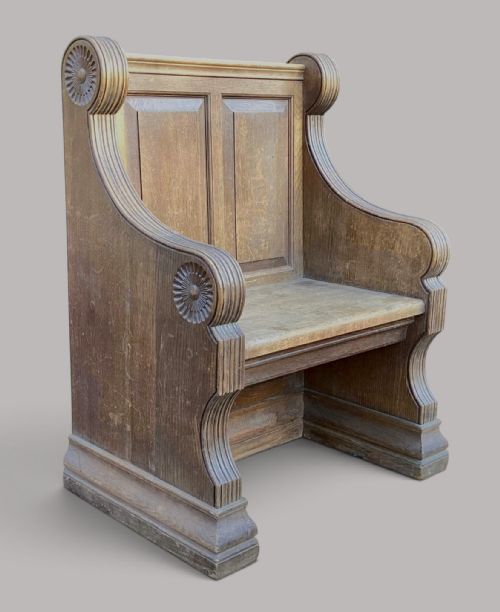
Early periods bring dense oak carvings of angels, cherubs, and poppy heads, while later Victorian iterations manifest in pitch pine serving tables, hall seats, and mirrors influenced by the Oxford Movement.
Materials and Techniques
Carvers shaped these works primarily from solid oak, pine, and limewood, alongside durable building stones such as limestone, sandstone, and marble. Timber elements display hand-carved relief work, tracery, and turned details, often enriched with gesso and gold leaf.
Stone pieces involve precise masonry and sculptural carving, seen in medieval corbels and Yorkshire limestone pinnacles. Surfaces left plain contrast with gilded and painted treatments found on French putti and Italian altar frames.
Church Architectural Carving Retail Price Guide 2026
Typical asking prices for church architectural carving among the pieces listed under this phrase on Sellingantiques today, from the lower quarter to the upper quarter. They describe what is for sale here now, not the wider market.
The inventory records diverse forms including architectural salvage, lecterns, wall sculptures, model cathedrals, and altar frames.
Assessing Quality
Quality rests upon the crispness of the chisel work and the depth of the relief, distinguishing master carvers from routine ecclesiastical production. Sculptural pieces with expressive anatomical details in faces and drapery command greater attention than mechanical repeating patterns.
Integrity of material also dictates standing, whether dealing with uncompromised medieval stone fragments retaining original weathering or substantial nineteenth-century oak furniture exhibiting robust joinery and genuine architectural form.
The Church Architectural Carving Glossary
- Corbel
- A structural stone or timber bracket projecting from a wall to support a weight above. Medieval examples often take carved figural or vegetative forms.
- Tracery
- Stonework or woodwork supporting glass in a gothic window or applied decoratively to panels and screens. It creates complex geometric patterns.
- Poppy head
- An ornamental finial capping the end of a bench or pew. These carved wooden motifs frequently depict foliage, figures, or heraldic symbols.
- Gesso
- A plaster mixture applied to wood surfaces as a base for painting and gilding. It allows for sharp moulded or incised decorative details.
- Pinnacle
- A relatively small architectural ornament that rises high above roofs or turrets. Gothic examples add vertical emphasis and decorative weight.
Church Architectural Carving: Frequently Asked Questions
How do I display a heavy stone corbel?
Stone corbels require structural wall anchors capable of supporting considerable weight safely. Professional installation ensures the piece remains secure while functioning as a prominent interior focal point.
Positioning them at eye level allows observers to appreciate the tool marks and sculptural detail of the early stonemasonry.
Are wooden architectural panels treated for preservation?
Most antique timber panels retain stable dry wood surfaces acquired over centuries indoors. Minimal maintenance preserves the natural patina without altering the historic finish.
Keeping pieces away from direct heat sources prevents the oak and pine from splitting or warping over time.
What defines the Gothic Revival style?
Gothic Revival borrows medieval architectural vocabulary, including pointed arches, trefoils, and heavy tracery, popularised during the nineteenth century. Makers applied these traditional motifs to domestic furniture and church fittings alike.
This movement sought to recapture the craftsmanship and spiritual depth associated with medieval design.
How do I date a timber carving?
Dating relies on tool marks, timber species, joinery methods, and stylistic cues specific to periods like the sixteenth or nineteenth centuries. Oak usage and hand-adzed surfaces often point to earlier craftsmanship.
Comparing decorative motifs with documented ecclesiastical buildings helps narrow down the origin and era.