



Chronograph Wristwatch
A chronograph wristwatch is a timepiece that combines a standard watch display with a stopwatch function, built for precision timing.
Chronograph Wristwatch
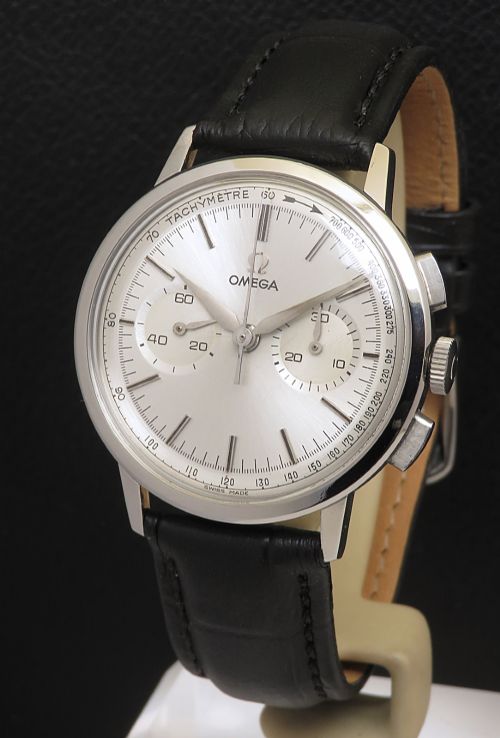
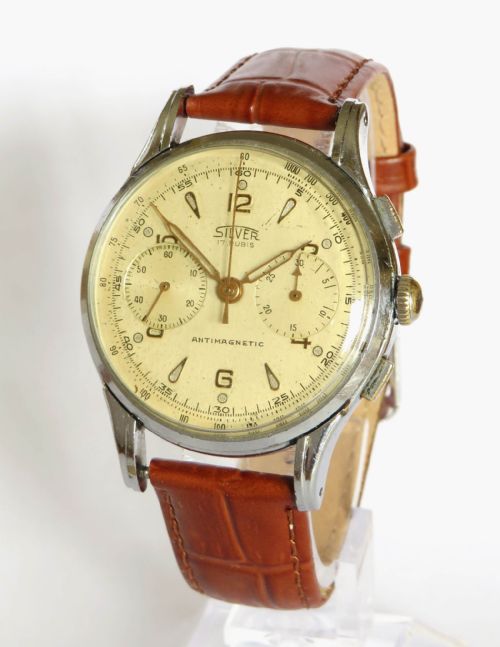
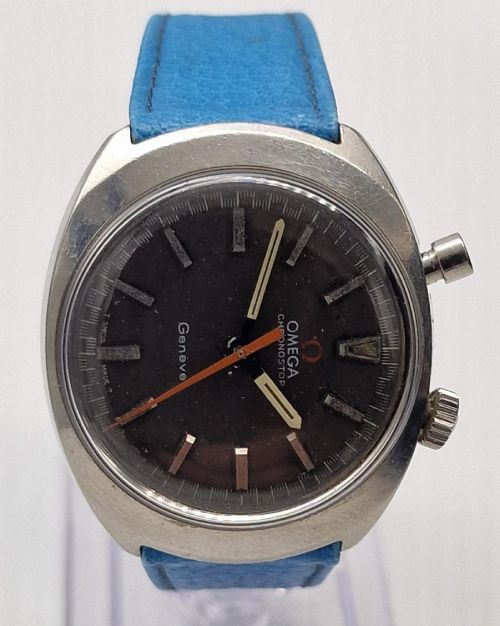
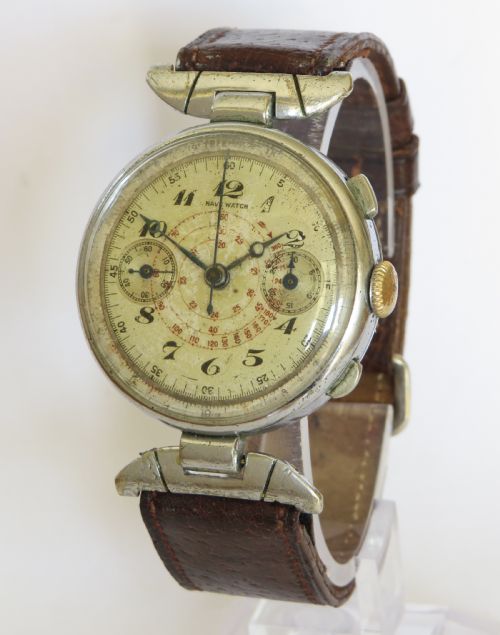
A chronograph wristwatch is a timepiece designed for measuring elapsed time alongside standard hour and minute display. When a buyer searches for a chronograph wristwatch, they encounter mechanical tools spanning multiple decades from the twentieth century.
The pieces on this page lean heavily into mid-century design, featuring works from the 1930s, 1940s, 1950s, 1960s, and later than 1960. These models often carry aviation, driver, or general utility heritages from makers who specialised in precision instruments.
Most examples found here are wristwatches and watches equipped with manual wind movements or specific complications like triple calendars and moonphase displays. They bridge the gap between everyday wear and functional sports timing.
Materials and construction
Cases on these watches utilise metals such as stainless steel, steel, chrome, and gold plate, paired with dials protected by glass or acrylic glass. Straps are predominantly constructed from leather to secure the watch to the wrist.
Movements inside these timepieces rely on complex mechanical assemblies, including Swiss movements and specific calibres like the Landeron or Omega Cal 320. These internal mechanisms drive the stop-watch hands and additional calendar displays.
Chronograph Wristwatch Retail Price Guide 2026
Typical asking prices for chronograph wristwatch among the pieces listed under this phrase on Sellingantiques today, from the lower quarter to the upper quarter. They describe what is for sale here now, not the wider market.
Listings feature periods spanning from the 1930s through the 1960s, alongside pieces dated later than 1960.
What separates the grades
The distinction between tiers rests upon the complexity of the movement and the integration of additional complications, such as triple calendars, moonphase indicators, or GMT functions. Standard stopwatch dials sit at one end, while multi-indicator aviation pieces occupy the other.
Material choice also defines the hierarchy, moving from chrome and gold plate to robust stainless steel cases. The presence of original branding, specific dial configurations like the panda layout, and recognised maker names further elevate the stature of a piece.
Omega·Antoremi·Hahn Landeron·Breitling·Invicta·Mappin·Fludo·Miramar·Benrus·Chronographe Suisse·Beltane·Mundus·Heuer
The Chronograph Wristwatch Glossary
- Chronograph
- A watch that includes a built-in stopwatch function alongside the primary time-telling hands. It allows the wearer to measure short periods of time independently.
- Manual wind
- A mechanical watch movement that requires the wearer to manually turn the crown to tension the mainspring. This differs from self-winding or automatic movements.
- Triple calendar
- A complication on a watch dial that displays the day of the week, the month, and the date. It often works in tandem with chronograph functions.
- Moonphase
- A dial indicator that graphically tracks the cycle of the moon from new moon to full moon and back. It adds an astronomical complication to the watch face.
- Panda dial
- A watch dial style featuring contrasting sub-dials against a main dial background, typically black sub-dials on a white or silver face. The visual arrangement resembles the face of a panda.
- Calibre
- The specific internal movement design and manufacturer designation of a watch mechanism. Collectors use this term to identify the exact mechanical engine inside the case.
Chronograph Wristwatch: Frequently Asked Questions
What is a chronograph wristwatch?
A chronograph wristwatch is a wearable timepiece that integrates a stopwatch mechanism with standard time display. It uses dedicated pushers on the side of the case to start, stop, and reset elapsed time measurements.
These watches emerged as vital tools for aviation, motoring, and science before becoming everyday accessories. The examples found here span decades of mid-century horology, showcasing various dial layouts and mechanical complications.
How do I wind a manual watch?
To wind a manual watch, you rotate the crown clockwise between your thumb and forefinger while the watch is off your wrist. Continue turning gently until you feel firm resistance, which indicates the mainspring is fully tensioned.
Avoid forcing the crown past this point to prevent damage to the internal gearing. Most manual wind pieces require daily winding to maintain accurate timekeeping throughout use.
Can I wear my vintage watch daily?
Wearing a vintage watch daily is possible when you account for the age and materials of the piece. Leather straps sit comfortably against the wrist for everyday wear, though older cases and acrylic glass demand care around water and impacts.
Because these pieces rely on mid-century mechanical movements, regular servicing by a horologist helps preserve their function. Treat them with respect, and they remain reliable daily companions.