





Chippendale Lowboy
A chippendale lowboy is a compact, low-to-the-ground table from the Georgian era prized for elegant proportions and generous drawer storage.
Chippendale Lowboy
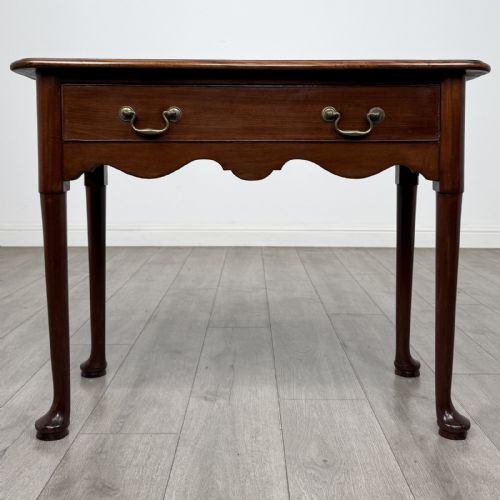
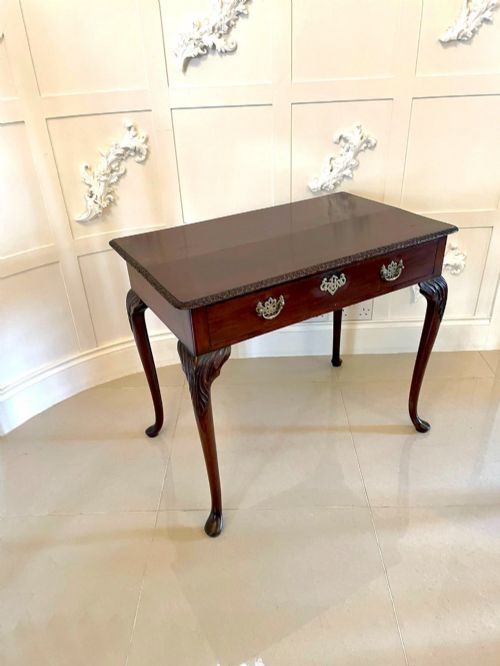
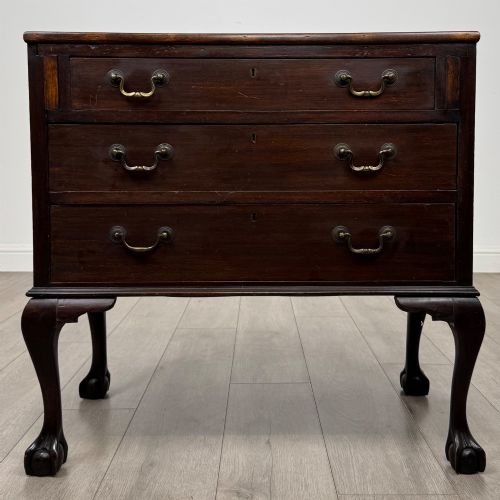
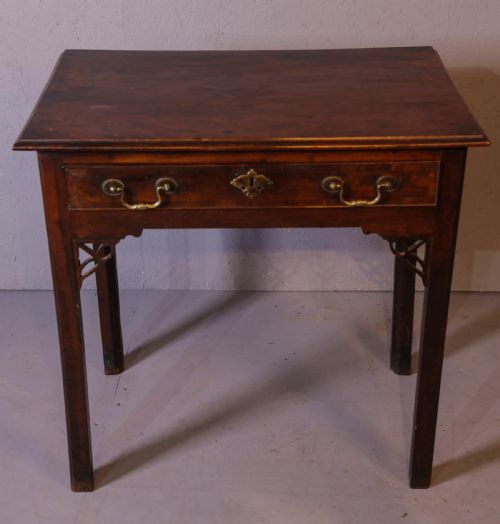
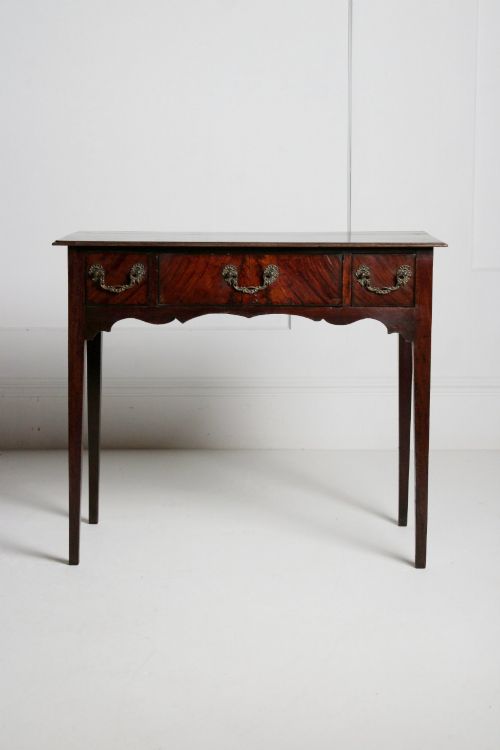
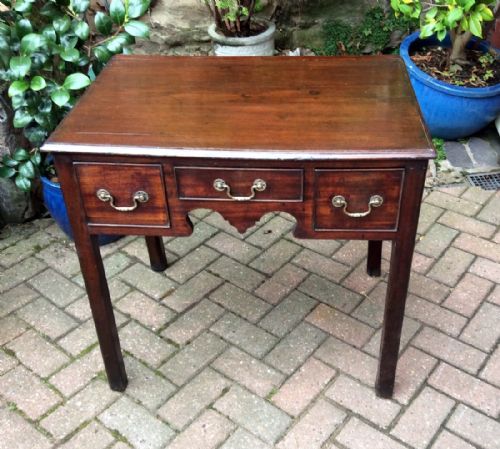
A chippendale lowboy is a dedicated dressing or side table, typically featuring multiple drawers set beneath a polished rectangular top. When you search for this phrase, you find lowboys primarily in mahogany and walnut, alongside occasional examples in yew and cherrywood.
The versions met most often on this page date from the eighteenth century and the Georgian period, though revival pieces from the Edwardian era also appear. These tables bridge the gap between utility and display, offering surface space paired with discrete storage in domestic interiors.
How they were made
Cabinetmakers constructed these tables using dense timbers such as mahogany and walnut, frequently selecting figured grains for drawer fronts. Brass handles and escutcheons punctuate the timber surfaces, providing functional hardware that complements the dark wood tones.
Construction techniques relied on traditional joinery to secure the legs to the frame, often incorporating carved details like claw and ball feet on finer examples. Timber selection dictated both the weight and the visual depth of the finished piece.
Chippendale Lowboy Retail Price Guide 2026
Typical asking prices for chippendale lowboy among the pieces listed under this phrase on Sellingantiques today, from the lower quarter to the upper quarter. They describe what is for sale here now, not the wider market.
Materials recorded across the inventory include mahogany, walnut, burr walnut, oak, yew, cherrywood, brass, and giltwood.
What varies in quality
Quality rests in the crispness of timber carving, the selection of figured wood veneers, and the integrity of the original brass hardware. Finer lowboys display thoughtful proportions where the drawer configuration balances harmoniously with the leg height and overall carcass depth.
Secondary timbers used for drawer linings and internal framing also indicate the standard of production. Superior examples maintain structural coherence and original surface patination, whereas lesser pieces show heavy replacement of timber or hardware over time.
Elkington & Co·Muirhead Moffat & Co
The Chippendale Lowboy Glossary
- Chippendale Revival
- A later stylistic movement, spanning the Edwardian era and the early twentieth century, that recreated eighteenth-century furniture forms. These pieces emulate the proportions and ornamentation of Thomas Chippendale's original designs.
- Serpentine Top
- A furniture top featuring a undulating edge that curves outward centrally and inward at the sides. This contour adds visual movement and requires precise woodworking skill to execute properly.
- Escutcheon
- A protective plate surrounding a keyhole, usually cast in brass on antique case furniture. It serves both a functional purpose and an ornamental role on drawer fronts.
- Patina
- The deep surface sheen and mellowing of colour developed by wood and metal over decades of use and polishing. It acts as a visual indicator of age and careful maintenance.
Chippendale Lowboy: Frequently Asked Questions
What is a chippendale lowboy?
A chippendale lowboy is a small, low table equipped with drawers, designed primarily for personal grooming or as a side table in principal rooms.
These pieces combine surface display space with concealed storage beneath a working top, making them versatile additions to traditional interiors.
How were lowboys used historically?
Historically, lowboys served as dressing tables in bedrooms or as side tables in reception rooms and parlours for holding mirrors and personal items.
Their compact scale allowed them to fit into tight spaces where larger case pieces proved impractical.
How do I style a lowboy at home?
A lowboy works effectively in a hallway or living room beneath a framed mirror, or as a small writing surface against an interior wall.
Keep the surface styling restrained to showcase the timber grain and the original brass drawer pulls without cluttering the profile.
How do I distinguish eighteenth century from revival pieces?
Eighteenth-century lowboys display period construction methods, timber shrinkage consistent with age, and hand-cut joinery inside the drawer boxes.
Revival examples from later periods often feature standardised machine-cut components and timber finishes characteristic of nineteenth or twentieth-century workshops.