

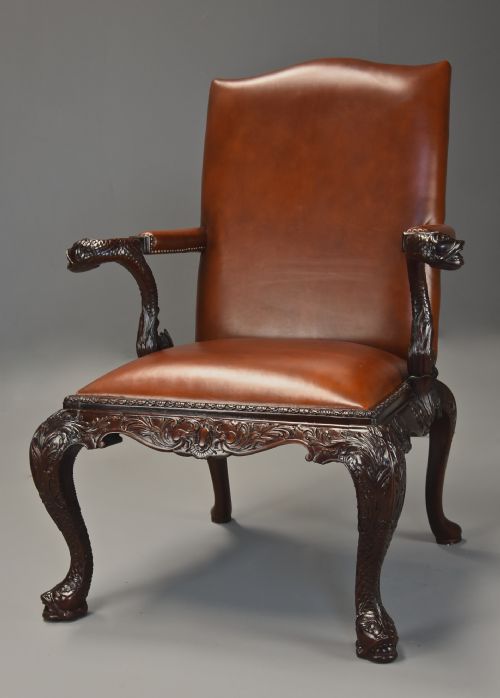


Chippendale Arm Chair
When you encounter a chippendale arm chair, you are looking at enduring seating defined by architectural carved wood and generous proportions.
Chippendale Arm Chair
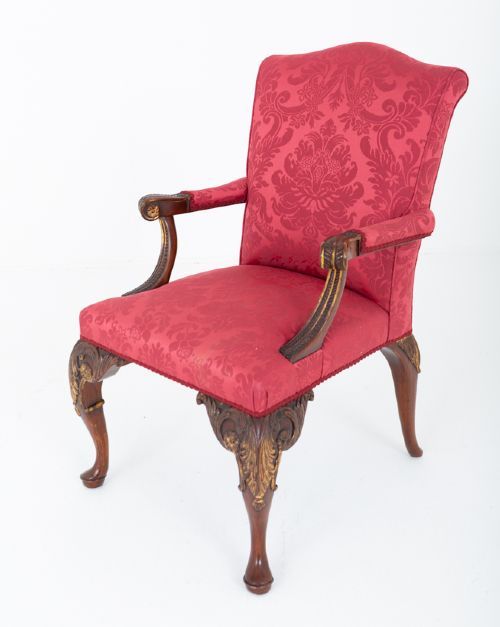
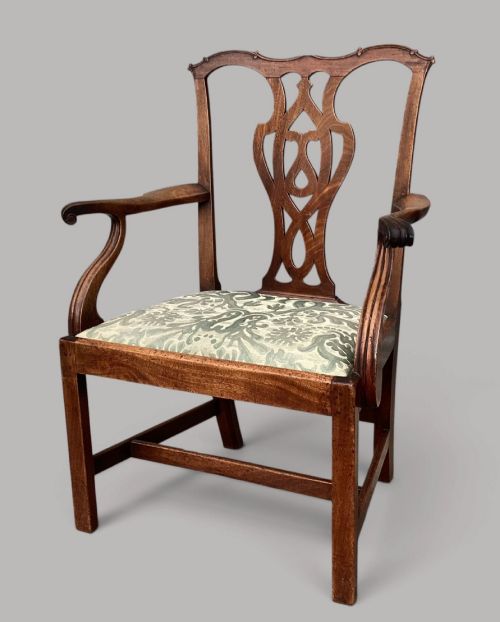
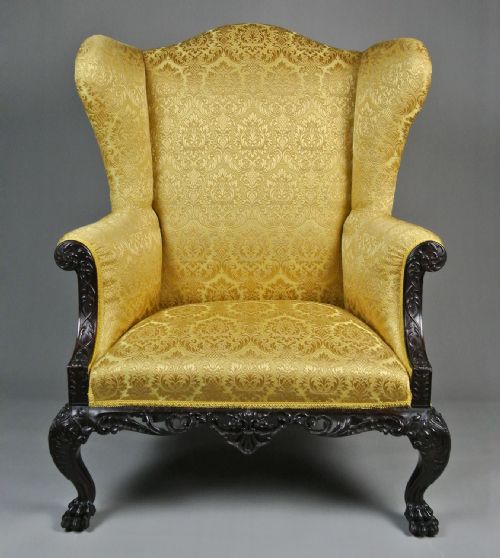
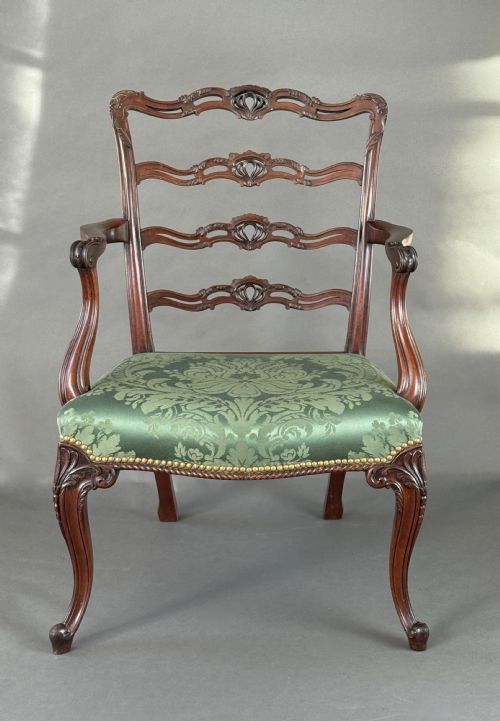
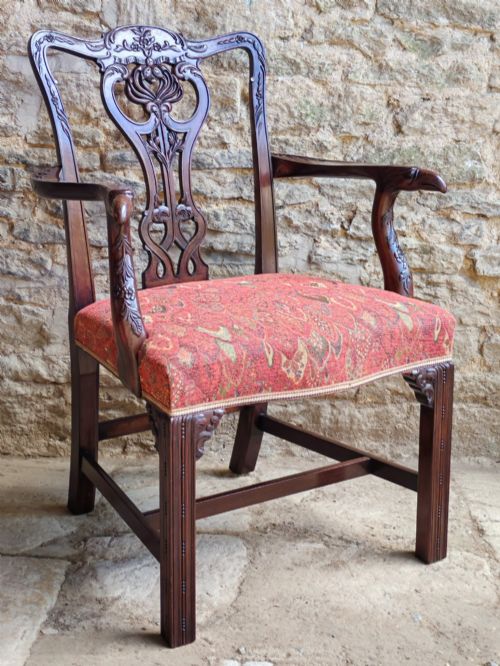
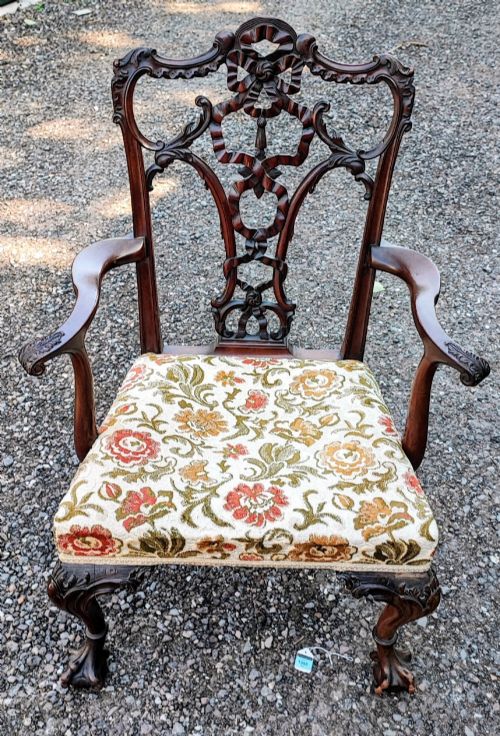
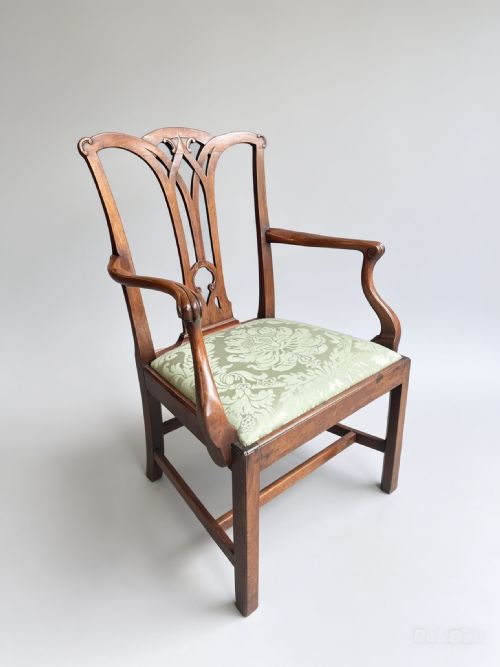
A chippendale arm chair encompasses seating produced during the Georgian period alongside later revivals spanning the nineteenth and twentieth centuries. These pieces appear in forms such as open armchairs, library chairs, and robust country carvers.
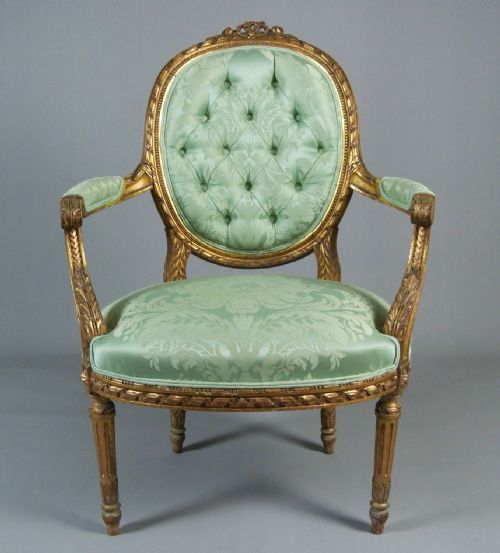
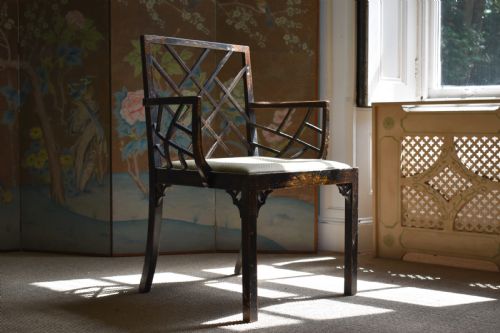
Makers drew on Chinese taste, Gothic motifs, and classical lines to shape substantial mahogany, oak, and elm frames. Buyers today meet both authentic eighteenth-century examples and revival interpretations produced around eighteen-eighty to nineteen-twenty.
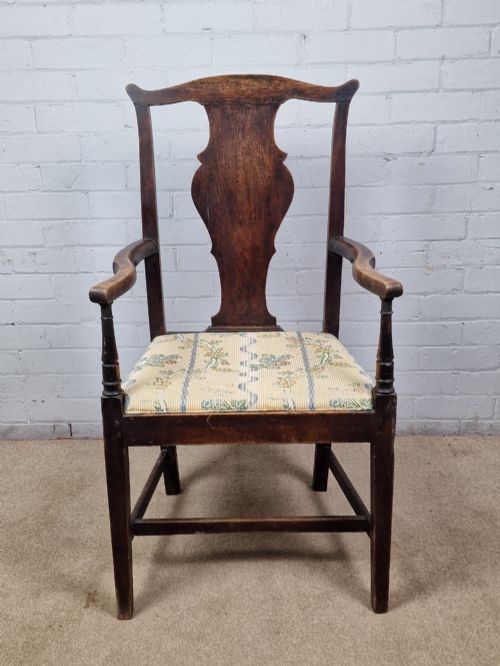
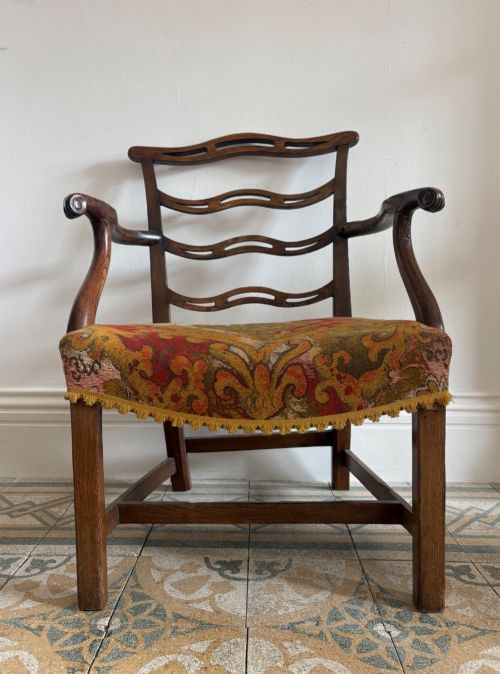
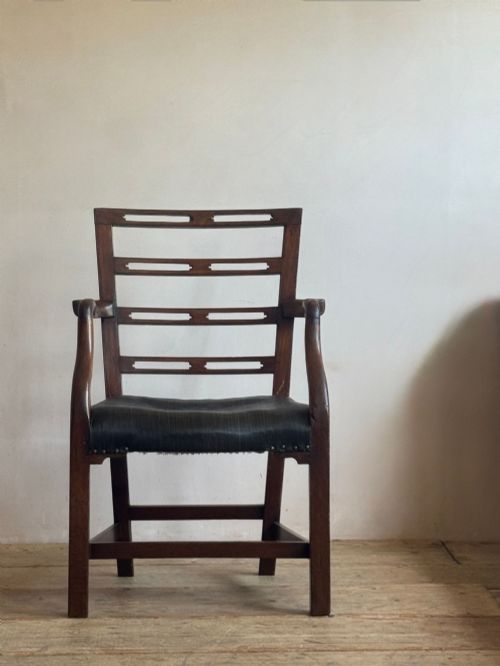
Regional variations introduce vernacular charm, from ladder-back elm country chairs to finely carved London library seats. Such diversity allows collectors to select pieces suited to formal drawing rooms or relaxed studies.
Materials and Construction
Cabinetmakers relied heavily on dense hardwoods, utilising Cuban mahogany for formal metropolitan commissions and local elm or oak for country workshop production. These timbers provided the structural integrity required to support elaborate pierced splats and heavy arm supports.
Upholstery techniques evolved from drop-in tapestry seats to deep-sprung leather cushions and revival fabrics like velvet or linen. Brass upholstery nails frequently secured the edges of leather and textile coverings to the wooden framework.
Chippendale Arm Chair Retail Price Guide 2026
Typical asking prices for chippendale arm chair among the pieces listed under this phrase on Sellingantiques today, from the lower quarter to the upper quarter. They describe what is for sale here now, not the wider market.
Listings feature mahogany, oak, and elm frames upholstered in leather, velvet, and fabric across Georgian and revival periods.
Judging Quality and Craftsmanship
The distinction between ordinary and exceptional seating lies in the depth and crispness of the hand-carving upon the crest rail and cabriole legs. Superior examples display fluid, undercut ribbon or acanthus details executed without mechanical shortcuts.
Structural harmony also dictates value, where well-proportioned arm supports and sturdy tenon joints withstand centuries of use. Timber selection matters profoundly, with richly figured mahogany or dense old-growth elm commanding greater admiration.
Thomas Chippendale·Howard and Sons
The Chippendale Arm Chair Glossary
- Carver
- An armchair, often designed for the head of a dining table, featuring supportive wooden arms matching the surrounding single chairs.
- Gainsborough armchair
- A wide, upholstered armchair with open padded arms and exposed mahogany legs, popular during the Georgian era for library and desk use.
- Cockpen
- A lattice-patterned Chinese Chippendale style named after a Scottish estate, featuring geometric open woodwork.
- Giltwood
- Timber coated with a thin layer of gold leaf, seen on high-status neoclassical and revival frames.
- Splat
- The vertical wooden strip down the centre of a chair back, often pierced and intricately carved in eighteenth-century designs.
Chippendale Arm Chair: Frequently Asked Questions
How do I date a Chippendale arm chair?
Dating relies on examining the timber species, joinery methods, and the sharpness of the carved ornamentation. Eighteenth-century pieces typically show hand-cut joinery and period-specific patination on the mahogany.
Revival examples from the nineteenth or twentieth centuries often utilise machine assistance or standardised hardware beneath the upholstery. Comparing the carving style against documented period patterns helps confirm the decade of creation.
Were these chairs used for dining or desks?
These seating forms served multiple domestic functions, operating as dining carvers, library seats, and office desk chairs. Their generous arm configurations accommodated formal attire and allowed comfortable movement during extended sitting.
Later nineteenth-century revivals continued this versatile tradition, adapting the classic forms for drawing rooms and reading nooks. The underlying scale generally dictates whether a piece suited a dining table or a writing desk.
What is the difference between Georgian and revival pieces?
Original eighteenth-century pieces exhibit the natural wear, hand-tool marks, and timber shrinkage associated with antique age. Their construction reflects the specific regional tool traditions and material availability of the Georgian era.
Revival chairs produced around the Victorian period or the early twentieth century emulate these historical motifs with different finishing techniques and fresher timber surfaces. Both hold distinct appeal for collectors depending on whether historical authenticity or decorative consistency is preferred.
How should I care for leather and wood?
Preserving the wood requires maintaining stable indoor humidity and avoiding direct sunlight that can dry out antique mahogany or elm. Gentle dusting with a dry cloth protects the historic polish without stripping the underlying patina.
Leather seats benefit from occasional conditioning to prevent cracking while retaining their hand-dyed colour. Avoiding harsh chemical cleaners ensures the longevity of both the upholstery and the carved frame.